%20%20--%3E%0A%3Csvg%20version%3D%221.1%22%20id%3D%22Layer_1%22%20xmlns%3D%22http%3A%2F%2Fwww.w3.org%2F2000%2Fsvg%22%20xmlns%3Axlink%3D%22http%3A%2F%2Fwww.w3.org%2F1999%2Fxlink%22%20x%3D%220px%22%20y%3D%220px%22%0A%09%20viewBox%3D%220%200%20684.6%2068.1%22%20style%3D%22enable-background%3Anew%200%200%20684.6%2068.1%3B%22%20xml%3Aspace%3D%22preserve%22%3E%0A%3Cg%3E%0A%09%3Cpath%20d%3D%22M444.1%2C29.3h-17.4v14.5h17.4V29.3z%20M36.4%2C68.1l29.3-50.8V0H50.4L32.9%2C36.8L15.5%2C0H0v68.1h16.7V45.8l12.4%2C22.3H36.4z%0A%09%09%20M49.1%2C68.1h16.6V23.4L49.1%2C52.1V68.1z%20M76.6%2C68.1h45V53.8H93.3V41.6h21V27.1h-21V14.8h28.3V0.1h-45V68.1z%20M175.6%2C68.1h17.3v-68%0A%09%09h-16.5v40.3L150%2C0.1h-17.6v68h16.7V27.7L175.6%2C68.1z%20M235.8%2C14.8h15.4V0.1h-47.4v14.7H219v53.2h16.8V14.8z%20M290.3%2C45.9h-17.1%0A%09%09l7.5-15.6h2L290.3%2C45.9z%20M298.7%2C68.1h18l-32.2-68h-5.7l-32%2C68h18l3.3-7.1h27.1L298.7%2C68.1z%20M325.2%2C68.1h46.2V53.8h-29.6V0.1h-16.7%0A%09%09V68.1z%20M423.7%2C14.8h27.2V0.1H407v68h16.7V14.8z%20M462%2C68.1h46.2V53.8h-29.6V0.1H462V68.1z%20M564.8%2C34.1c0%2C10.7-7.2%2C19.2-18.5%2C19.2%0A%09%09c-11.4%2C0-18.5-8.5-18.5-19.2s7.1-19.2%2C18.5-19.2C557.6%2C14.9%2C564.8%2C23.4%2C564.8%2C34.1%20M580.6%2C34.1c0-19-14.2-34-34.3-34%0A%09%09c-20.2%2C0-34.3%2C15-34.3%2C34c0%2C19%2C14.1%2C34%2C34.3%2C34C566.4%2C68.1%2C580.6%2C53.1%2C580.6%2C34.1%20M604.8%2C20.5c0-4.1%2C3.3-6.2%2C6.7-6.2%0A%09%09c4.4%2C0%2C6.6%2C3%2C6.6%2C6.6h14.7C631.8%2C9.1%2C625.1%2C0.1%2C611%2C0.1c-12%2C0-21.7%2C9.3-21.7%2C20.6c0%2C10.9%2C5.9%2C15.9%2C16.7%2C19.8%0A%09%09c5.2%2C1.8%2C11.5%2C3.2%2C11.5%2C8c0%2C3.3-2.4%2C5.5-6.4%2C5.5c-3.6%2C0-6.6-3-6.6-6.7h-15.2c0%2C11.5%2C7.9%2C20.8%2C21.8%2C20.8c12%2C0%2C21.6-9.3%2C21.6-20.6%0A%09%09c0-10-5.3-16.4-16.7-19.8C610.6%2C26.1%2C604.8%2C25.3%2C604.8%2C20.5%20M670%2C20.9h14.7C683.8%2C9.1%2C677.1%2C0.1%2C663%2C0.1c-12%2C0-21.7%2C9.3-21.7%2C20.6%0A%09%09c0%2C10.9%2C5.9%2C15.9%2C16.7%2C19.8c5.2%2C1.8%2C11.5%2C3.2%2C11.5%2C8c0%2C3.3-2.4%2C5.5-6.4%2C5.5c-3.6%2C0-6.6-3-6.6-6.7h-15.2c0%2C11.5%2C7.9%2C20.8%2C21.8%2C20.8%0A%09%09c12%2C0%2C21.6-9.3%2C21.6-20.6c0-10-5.3-16.4-16.7-19.8c-5.4-1.6-11.3-2.4-11.3-7.2c0-4.1%2C3.3-6.2%2C6.7-6.2C667.7%2C14.4%2C670%2C17.3%2C670%2C20.9%0A%09%09%22%2F%3E%0A%3C%2Fg%3E%0A%3C%2Fsvg%3E%0A)

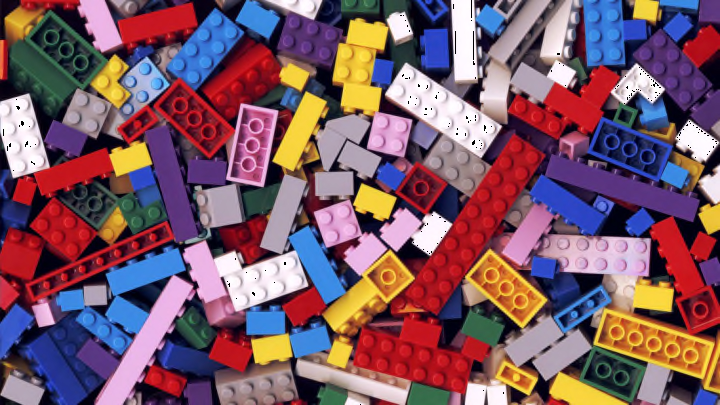
Simple, block-shaped toys have been around for hundreds of years, but it took a 20th-century Danish genius named Ole Kirk Christiansen to invent the interlocking pieces we know today as LEGO bricks. It all started in 1932 in the village of Billund, long before LEGO had achieved world domination as a brand.
A master joiner and carpenter, Christiansen opened a humble woodworking shop with his son Godtfred, just 12 years old at the time. They manufactured stepladders, ironing boards and later expanded to make wooden toys, and in 1934 dubbed their business LEGO, a contraction of the Danish "leg godt" ("play well").
And play well they did. The company expanded from only six employees in 1934 to forty in 1942. LEGO was also fairly progressive, and became an early adopter of new technologies and materials. In fact, the group became the first Danish company to own a plastic injection-molding machine. When the Christiansens came across prototypes of a British toy called "Kiddicraft Self-Locking Building Bricks" in 1947, they adopted the idea and started manufacturing their own version two years later. The bricks had pegs on top and hollow bottoms, allowing children to lock the bricks together and create elaborate structures never possible with the simple wooden blocks of yesteryear.
Dubbing them the (decidedly un-catchy) "Automatic Binding Bricks," they were the forerunner to today's LEGO brick. But they hadn't quite got the formula right yet. The bricks lacked the tubes found inside modern LEGOs which greatly improve stability. Further, it seemed the world wasn't ready for plastic toys just yet; sales of plastic LEGO toys in the early 50s were mediocre at best.
In 1958, the LEGO brick finally came into its own. And while founder Ole Kirk Christiansen never lived to see his company's heyday, his son Godtfred Christiansen pioneered and patented the now-standard LEGO stud-and-tube configuration, and introduced roof bricks to the "LEGO System of Play," which was comprised of 28 sets and 8 vehicles.
After a devastating warehouse fire in 1960, the company decided to ditch production of wooden toys altogether and focus instead on plastics. LEGO hasn't changed the design of their brick since then, which means today's sets are compatible with sets from 1958 onward.
More LEGO fun: In 1961, the LEGO wheel was invented. At first blush that may not sound as momentous as humanity's initial development of the wheel (approximately 5,000 BCE), but considering that today LEGO turns out more than 300 million tiny wheels per year, it actually makes them the most prolific wheel manufacturer in the world. Along with 3000 other types of pieces, they're packaged into 37,000 LEGO sets per hour. And according to LEGO, the process they use to mold their plastic is so accurate that a mere 18 out of every million bricks fails to meet quality standards.
This article was written by Ransom Riggs and excerpted from the Mental Floss book In the Beginning: The Origins of Everything.