%20%20--%3E%0A%3Csvg%20version%3D%221.1%22%20id%3D%22Layer_1%22%20xmlns%3D%22http%3A%2F%2Fwww.w3.org%2F2000%2Fsvg%22%20xmlns%3Axlink%3D%22http%3A%2F%2Fwww.w3.org%2F1999%2Fxlink%22%20x%3D%220px%22%20y%3D%220px%22%0A%09%20viewBox%3D%220%200%20684.6%2068.1%22%20style%3D%22enable-background%3Anew%200%200%20684.6%2068.1%3B%22%20xml%3Aspace%3D%22preserve%22%3E%0A%3Cg%3E%0A%09%3Cpath%20d%3D%22M444.1%2C29.3h-17.4v14.5h17.4V29.3z%20M36.4%2C68.1l29.3-50.8V0H50.4L32.9%2C36.8L15.5%2C0H0v68.1h16.7V45.8l12.4%2C22.3H36.4z%0A%09%09%20M49.1%2C68.1h16.6V23.4L49.1%2C52.1V68.1z%20M76.6%2C68.1h45V53.8H93.3V41.6h21V27.1h-21V14.8h28.3V0.1h-45V68.1z%20M175.6%2C68.1h17.3v-68%0A%09%09h-16.5v40.3L150%2C0.1h-17.6v68h16.7V27.7L175.6%2C68.1z%20M235.8%2C14.8h15.4V0.1h-47.4v14.7H219v53.2h16.8V14.8z%20M290.3%2C45.9h-17.1%0A%09%09l7.5-15.6h2L290.3%2C45.9z%20M298.7%2C68.1h18l-32.2-68h-5.7l-32%2C68h18l3.3-7.1h27.1L298.7%2C68.1z%20M325.2%2C68.1h46.2V53.8h-29.6V0.1h-16.7%0A%09%09V68.1z%20M423.7%2C14.8h27.2V0.1H407v68h16.7V14.8z%20M462%2C68.1h46.2V53.8h-29.6V0.1H462V68.1z%20M564.8%2C34.1c0%2C10.7-7.2%2C19.2-18.5%2C19.2%0A%09%09c-11.4%2C0-18.5-8.5-18.5-19.2s7.1-19.2%2C18.5-19.2C557.6%2C14.9%2C564.8%2C23.4%2C564.8%2C34.1%20M580.6%2C34.1c0-19-14.2-34-34.3-34%0A%09%09c-20.2%2C0-34.3%2C15-34.3%2C34c0%2C19%2C14.1%2C34%2C34.3%2C34C566.4%2C68.1%2C580.6%2C53.1%2C580.6%2C34.1%20M604.8%2C20.5c0-4.1%2C3.3-6.2%2C6.7-6.2%0A%09%09c4.4%2C0%2C6.6%2C3%2C6.6%2C6.6h14.7C631.8%2C9.1%2C625.1%2C0.1%2C611%2C0.1c-12%2C0-21.7%2C9.3-21.7%2C20.6c0%2C10.9%2C5.9%2C15.9%2C16.7%2C19.8%0A%09%09c5.2%2C1.8%2C11.5%2C3.2%2C11.5%2C8c0%2C3.3-2.4%2C5.5-6.4%2C5.5c-3.6%2C0-6.6-3-6.6-6.7h-15.2c0%2C11.5%2C7.9%2C20.8%2C21.8%2C20.8c12%2C0%2C21.6-9.3%2C21.6-20.6%0A%09%09c0-10-5.3-16.4-16.7-19.8C610.6%2C26.1%2C604.8%2C25.3%2C604.8%2C20.5%20M670%2C20.9h14.7C683.8%2C9.1%2C677.1%2C0.1%2C663%2C0.1c-12%2C0-21.7%2C9.3-21.7%2C20.6%0A%09%09c0%2C10.9%2C5.9%2C15.9%2C16.7%2C19.8c5.2%2C1.8%2C11.5%2C3.2%2C11.5%2C8c0%2C3.3-2.4%2C5.5-6.4%2C5.5c-3.6%2C0-6.6-3-6.6-6.7h-15.2c0%2C11.5%2C7.9%2C20.8%2C21.8%2C20.8%0A%09%09c12%2C0%2C21.6-9.3%2C21.6-20.6c0-10-5.3-16.4-16.7-19.8c-5.4-1.6-11.3-2.4-11.3-7.2c0-4.1%2C3.3-6.2%2C6.7-6.2C667.7%2C14.4%2C670%2C17.3%2C670%2C20.9%0A%09%09%22%2F%3E%0A%3C%2Fg%3E%0A%3C%2Fsvg%3E%0A)

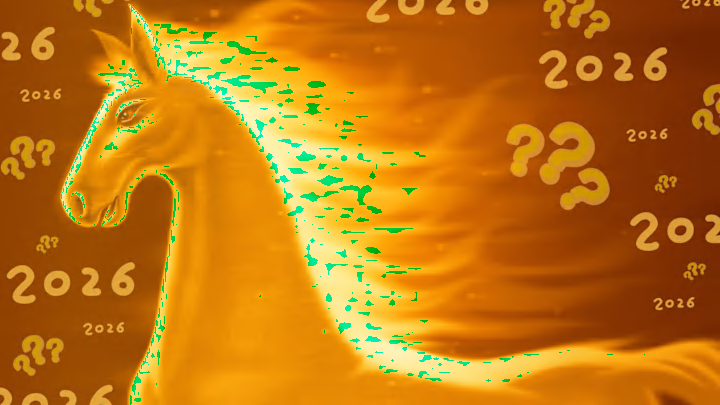
Every Lunar New Year marks the arrival of one of the 12 animals of the Chinese zodiac, each believed to assign a series of distinct personality traits and an element to the year ahead.
Enter: the Year of the Fire Horse.
The Chinese zodiac follows a 12-year animal cycle layered with five elements (wood, fire, earth, metal, and water), creating a 60-year rotation. When the spirited Horse aligns with the fire element, the result is a year associated with intensity, movement, and bold energy. A Fire Horse year symbolizes much more than a typical Year of the Horse.
So what exactly does it mean when the Year of the Horse catches fire, and what significant historical events and superstitions have taken shape in previous Fire Horse years? Let’s find out!
'YEAR OF THE HORSE' IN CHINESE TRADITION
In Chinese tradition, the Horse is far from subtle. People born in the year of the horse are often described as energetic, independent, and confident. The animal itself symbolizes hard work, bravery, resilience, and freedom. Historically vital for transportation and agriculture, horses represent endurance and progression, qualities that directly translate into the Chinese zodiac.
Add the fire element, and those traits glow with a ferocity seen only once every 60 years. Cosmically speaking, fire is associated with passion, warmth, and transformation. It suggests actions over hesitation, and excitement over caution. Fire magnifies the horse’s natural determination and its admiration for change.
A Fire Horse year is often considered fast-paced and high-energy. It's a time that encourages bold decisions, innovation, and personal leaps. But that same intensity can also gravitate toward impatience and impulsiveness if not reflected upon.
IS 2026 HISTORICALLY CURSED?

Because the animal and element cycle together every 60 years, Fire Horse years are rare. The most recent occurred in 1966 and 1906.
1906 marked another turn in the zodiac’s 60-year cycle, stirring a significant decline in birth rates attributed to a "curse" that emerged in previous years. Among the major events of 1906 were a devastating mine explosion in France that claimed over 1,000 lives and the catastrophic San Francisco earthquake.
The 1966 Fire Horse year left a particularly strong cultural impression and became surrounded by widespread folklore. Fertility rates plummeted in Japan in 1966 because the population was superstitious that females born in this year would be ill-tempered and kill their future husbands. Many chose to postpone having children until the following year, a decision that further cemented the Fire Horse’s reputation for unpredictability.
Notable events from 1966 include Indira Gandhi’s rise to Prime Minister of India, the Soviet Union’s unmanned Lunik 9 spacecraft landing on the Moon’s surface, the celebration of the first Kwanzaa, Ford’s sale of its one millionth Mustang, Lyndon B. Johnson’s appointment of the first African American cabinet member, and persistent Cold War tensions. Celebrities including Mike Tyson and Cindy Crawford were also born in the 1966 Fire Horse year.
It's important to note that these associations stem from cultural beliefs and traditions rather than literal predictions. The zodiac serves as a symbolic framework for understanding personality traits and timing.
SYMBOLS, SIGNS, AND PERSONAL SIGNIFICANCE

The Year of the Fire Horse represents momentum. The Horse conveys stamina, courage, and independence. Fire adds passion, transformation, and heat. Together, they form an emblem of change and an invitation for humanity to act boldly and pursue goals with confidence.
On February 17th, the Fire Horse once again took its place in the lunar cycle. Whether you see the zodiac as spiritual guidance, cultural heritage, or a fascinating sign that inspires you to take action, the Year of the Fire Horse remains one of the most powerful combinations in the Chinese zodiac.