%20%20--%3E%0A%3Csvg%20version%3D%221.1%22%20id%3D%22Layer_1%22%20xmlns%3D%22http%3A%2F%2Fwww.w3.org%2F2000%2Fsvg%22%20xmlns%3Axlink%3D%22http%3A%2F%2Fwww.w3.org%2F1999%2Fxlink%22%20x%3D%220px%22%20y%3D%220px%22%0A%09%20viewBox%3D%220%200%20684.6%2068.1%22%20style%3D%22enable-background%3Anew%200%200%20684.6%2068.1%3B%22%20xml%3Aspace%3D%22preserve%22%3E%0A%3Cg%3E%0A%09%3Cpath%20d%3D%22M444.1%2C29.3h-17.4v14.5h17.4V29.3z%20M36.4%2C68.1l29.3-50.8V0H50.4L32.9%2C36.8L15.5%2C0H0v68.1h16.7V45.8l12.4%2C22.3H36.4z%0A%09%09%20M49.1%2C68.1h16.6V23.4L49.1%2C52.1V68.1z%20M76.6%2C68.1h45V53.8H93.3V41.6h21V27.1h-21V14.8h28.3V0.1h-45V68.1z%20M175.6%2C68.1h17.3v-68%0A%09%09h-16.5v40.3L150%2C0.1h-17.6v68h16.7V27.7L175.6%2C68.1z%20M235.8%2C14.8h15.4V0.1h-47.4v14.7H219v53.2h16.8V14.8z%20M290.3%2C45.9h-17.1%0A%09%09l7.5-15.6h2L290.3%2C45.9z%20M298.7%2C68.1h18l-32.2-68h-5.7l-32%2C68h18l3.3-7.1h27.1L298.7%2C68.1z%20M325.2%2C68.1h46.2V53.8h-29.6V0.1h-16.7%0A%09%09V68.1z%20M423.7%2C14.8h27.2V0.1H407v68h16.7V14.8z%20M462%2C68.1h46.2V53.8h-29.6V0.1H462V68.1z%20M564.8%2C34.1c0%2C10.7-7.2%2C19.2-18.5%2C19.2%0A%09%09c-11.4%2C0-18.5-8.5-18.5-19.2s7.1-19.2%2C18.5-19.2C557.6%2C14.9%2C564.8%2C23.4%2C564.8%2C34.1%20M580.6%2C34.1c0-19-14.2-34-34.3-34%0A%09%09c-20.2%2C0-34.3%2C15-34.3%2C34c0%2C19%2C14.1%2C34%2C34.3%2C34C566.4%2C68.1%2C580.6%2C53.1%2C580.6%2C34.1%20M604.8%2C20.5c0-4.1%2C3.3-6.2%2C6.7-6.2%0A%09%09c4.4%2C0%2C6.6%2C3%2C6.6%2C6.6h14.7C631.8%2C9.1%2C625.1%2C0.1%2C611%2C0.1c-12%2C0-21.7%2C9.3-21.7%2C20.6c0%2C10.9%2C5.9%2C15.9%2C16.7%2C19.8%0A%09%09c5.2%2C1.8%2C11.5%2C3.2%2C11.5%2C8c0%2C3.3-2.4%2C5.5-6.4%2C5.5c-3.6%2C0-6.6-3-6.6-6.7h-15.2c0%2C11.5%2C7.9%2C20.8%2C21.8%2C20.8c12%2C0%2C21.6-9.3%2C21.6-20.6%0A%09%09c0-10-5.3-16.4-16.7-19.8C610.6%2C26.1%2C604.8%2C25.3%2C604.8%2C20.5%20M670%2C20.9h14.7C683.8%2C9.1%2C677.1%2C0.1%2C663%2C0.1c-12%2C0-21.7%2C9.3-21.7%2C20.6%0A%09%09c0%2C10.9%2C5.9%2C15.9%2C16.7%2C19.8c5.2%2C1.8%2C11.5%2C3.2%2C11.5%2C8c0%2C3.3-2.4%2C5.5-6.4%2C5.5c-3.6%2C0-6.6-3-6.6-6.7h-15.2c0%2C11.5%2C7.9%2C20.8%2C21.8%2C20.8%0A%09%09c12%2C0%2C21.6-9.3%2C21.6-20.6c0-10-5.3-16.4-16.7-19.8c-5.4-1.6-11.3-2.4-11.3-7.2c0-4.1%2C3.3-6.2%2C6.7-6.2C667.7%2C14.4%2C670%2C17.3%2C670%2C20.9%0A%09%09%22%2F%3E%0A%3C%2Fg%3E%0A%3C%2Fsvg%3E%0A)

The word zeitgeber describes natural phenomena that help us regulate our internal clocks. It refers to things like the daily cycling of night and day, the gradual cooling off of the day’s temperatures towards nightfall, and anything that keeps us on regular circadian cycles. It’s for good reason, ultimately, that zeitgeber literally means “time giver” in German.
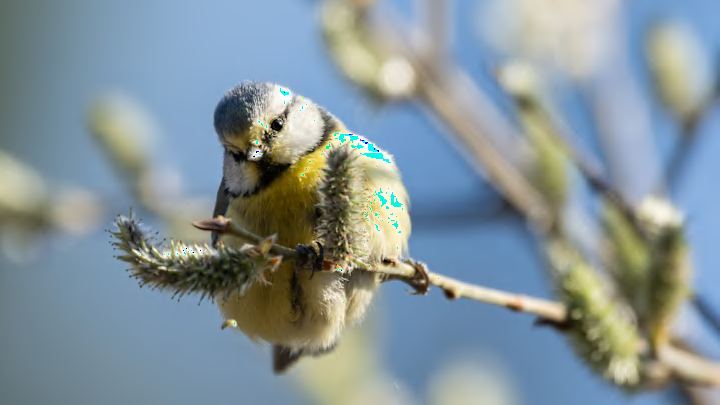
When the patterns of light and dark begin to shift in the spring, it’s not just us humans who notice. The season’s warmer temperatures and shorter nights trigger all kinds of changes in the natural world—including mating rituals, birdsongs, migrations, and all kinds of different seasonal activities that show us that spring has officially arrived.
HOMEWARD BOUND

The changing of the seasons triggers the annual migration of countless creatures of all shapes and sizes. In the spring, those that fled to the warmer tropics in the wintertime head to more temperate regions to breed, and those that fled the poles to avoid winter there depart to return to the extreme north. All kinds of different creatures, from mammals to insects and even fish and marine life, embark on seasonal migrations, but this phenomenon is perhaps most noticeable—to us humans, at least—among the birds in our parks and gardens.
Avian springtime arrivals tend to turn up in waves, with different species responding to different seasonal changes. In North America, migration season—during which time a staggering five billion birds move from one place to another—lasts roughly from March to June, with noticeably hardy species, such as robins and red-winged blackbirds, among the first to arrive, followed by thrushes, swallows, orioles, grosbeaks, and warblers as the days continue to warm.
EARLY BLOOMERS

Springtime is, of course, the season when plants and trees begin to regrow after the winter. But our favorite familiar spring flowers don’t all emerge at the same time; instead, they have evolved means of staggering their appearance throughout the season by responding to different seasonal cues.
Some plants that flower very early in the year, like snowdrops and crocuses, can tolerate far colder soil temperatures than other plants, and emerging early in the season allows these low-growing flowers to make the most of the early spring sunshine before the larger, later-blooming plants and trees around them regrow their leaves and start to block it out.
Daffodils, witch hazel, blackthorn and azalea are among the next spring plants and trees to bloom, followed by cherry blossoms toward the end of March and tulips in April. This staggered approach to blooming also allows springtime flowers to avoid competing with other species for access to pollinators, like honeybees.
THE DAWN CHORUS

While some birds sing all year round as a means of defending their territories and maintaining dominance over their patches, others tend to keep their voices to themselves until the mornings begin to get lighter and the temperatures start to rise. This triggers a burst of loud and vocal early-morning birdsong known as the dawn chorus, which becomes even louder and more complex as migratory species, returning from their wintering grounds, start to arrive.
Although the precise timing (both throughout the day and throughout the year) of this occurrence varies from place to place, in North America, the dawn chorus tends to become noticeable in mid-March and lasts until May; the further north you are, the later in the year it will typically be heard.
But why do birds make such a vocal performance first thing in the morning, typically just before and after sunrise? Well, ecologists aren’t entirely sure, but it’s likely due to a combination of factors, including the cooler, calmer air first thing in the morning (which allows the birds’ songs to travel further), and male birds wishing to project to other rival males that they’ve safely made it through the night and so are still in charge of their patch.
THE UGLY BUG BALL

Although some species of insects die off in the winter, others go into a kind of hibernation, or a semi-dormant state known as diapause, and essentially wait out the wintertime before reemerging in the spring. To do so, some critters bury themselves deep underground, far below where they could be caught by frost or snow, while others secrete themselves in thick leaf litter, logs, flaky tree bark, or even in our homes, to keep themselves safe from the elements.
The warmer temperatures in the springtime then cause these creatures to emerge from their hidey-holes, which is one of the most telltale signs of the changing of the seasons. Among the very first insects to come out of hiding are queen bees and wasps, mourning-cloak butterflies, stinkbugs, and ladybugs—and as the soil continues to warm, ants’ nests begin to burst into life and beetle pupae deep in the ground start to hatch.
ONE BECOMES TWO

Warmer temperatures and longer days trigger many species to begin looking for a mate in the spring, and this seasonal vernalagnia, as it can be known, is particularly noticeable in unsociable species that tend to otherwise spend their time alone.
Herons, for instance, are normally solitary birds that keep themselves to themselves as they hunt along riverbanks, lakes, ponds, and marshes. During the spring, though, they start to pair up and eventually begin to establish noisy breeding colonies, known as rookeries. The same goes for many species of birds of prey, including hawks and eagles, and hummingbirds, which are fiercely independent for much of the rest of the year and, despite their small size, can be surprisingly feisty when it comes to defending their territory outside of mating season.