%20%20--%3E%0A%3Csvg%20version%3D%221.1%22%20id%3D%22Layer_1%22%20xmlns%3D%22http%3A%2F%2Fwww.w3.org%2F2000%2Fsvg%22%20xmlns%3Axlink%3D%22http%3A%2F%2Fwww.w3.org%2F1999%2Fxlink%22%20x%3D%220px%22%20y%3D%220px%22%0A%09%20viewBox%3D%220%200%20684.6%2068.1%22%20style%3D%22enable-background%3Anew%200%200%20684.6%2068.1%3B%22%20xml%3Aspace%3D%22preserve%22%3E%0A%3Cg%3E%0A%09%3Cpath%20d%3D%22M444.1%2C29.3h-17.4v14.5h17.4V29.3z%20M36.4%2C68.1l29.3-50.8V0H50.4L32.9%2C36.8L15.5%2C0H0v68.1h16.7V45.8l12.4%2C22.3H36.4z%0A%09%09%20M49.1%2C68.1h16.6V23.4L49.1%2C52.1V68.1z%20M76.6%2C68.1h45V53.8H93.3V41.6h21V27.1h-21V14.8h28.3V0.1h-45V68.1z%20M175.6%2C68.1h17.3v-68%0A%09%09h-16.5v40.3L150%2C0.1h-17.6v68h16.7V27.7L175.6%2C68.1z%20M235.8%2C14.8h15.4V0.1h-47.4v14.7H219v53.2h16.8V14.8z%20M290.3%2C45.9h-17.1%0A%09%09l7.5-15.6h2L290.3%2C45.9z%20M298.7%2C68.1h18l-32.2-68h-5.7l-32%2C68h18l3.3-7.1h27.1L298.7%2C68.1z%20M325.2%2C68.1h46.2V53.8h-29.6V0.1h-16.7%0A%09%09V68.1z%20M423.7%2C14.8h27.2V0.1H407v68h16.7V14.8z%20M462%2C68.1h46.2V53.8h-29.6V0.1H462V68.1z%20M564.8%2C34.1c0%2C10.7-7.2%2C19.2-18.5%2C19.2%0A%09%09c-11.4%2C0-18.5-8.5-18.5-19.2s7.1-19.2%2C18.5-19.2C557.6%2C14.9%2C564.8%2C23.4%2C564.8%2C34.1%20M580.6%2C34.1c0-19-14.2-34-34.3-34%0A%09%09c-20.2%2C0-34.3%2C15-34.3%2C34c0%2C19%2C14.1%2C34%2C34.3%2C34C566.4%2C68.1%2C580.6%2C53.1%2C580.6%2C34.1%20M604.8%2C20.5c0-4.1%2C3.3-6.2%2C6.7-6.2%0A%09%09c4.4%2C0%2C6.6%2C3%2C6.6%2C6.6h14.7C631.8%2C9.1%2C625.1%2C0.1%2C611%2C0.1c-12%2C0-21.7%2C9.3-21.7%2C20.6c0%2C10.9%2C5.9%2C15.9%2C16.7%2C19.8%0A%09%09c5.2%2C1.8%2C11.5%2C3.2%2C11.5%2C8c0%2C3.3-2.4%2C5.5-6.4%2C5.5c-3.6%2C0-6.6-3-6.6-6.7h-15.2c0%2C11.5%2C7.9%2C20.8%2C21.8%2C20.8c12%2C0%2C21.6-9.3%2C21.6-20.6%0A%09%09c0-10-5.3-16.4-16.7-19.8C610.6%2C26.1%2C604.8%2C25.3%2C604.8%2C20.5%20M670%2C20.9h14.7C683.8%2C9.1%2C677.1%2C0.1%2C663%2C0.1c-12%2C0-21.7%2C9.3-21.7%2C20.6%0A%09%09c0%2C10.9%2C5.9%2C15.9%2C16.7%2C19.8c5.2%2C1.8%2C11.5%2C3.2%2C11.5%2C8c0%2C3.3-2.4%2C5.5-6.4%2C5.5c-3.6%2C0-6.6-3-6.6-6.7h-15.2c0%2C11.5%2C7.9%2C20.8%2C21.8%2C20.8%0A%09%09c12%2C0%2C21.6-9.3%2C21.6-20.6c0-10-5.3-16.4-16.7-19.8c-5.4-1.6-11.3-2.4-11.3-7.2c0-4.1%2C3.3-6.2%2C6.7-6.2C667.7%2C14.4%2C670%2C17.3%2C670%2C20.9%0A%09%09%22%2F%3E%0A%3C%2Fg%3E%0A%3C%2Fsvg%3E%0A)

The public domain just keeps growing every New Year’s Day, and Mental Floss has been keeping track of the latest additions, most recently with the class of 2025. This time, 1931 is the year that goes public, and that means we get two of the Universal monsters, Chaplin’s Tramp, a couple of Nancy Drew books, and the song Sam plays in Casablanca.
How the Rule Works
Works from 1931 are protected for 95 years, ending on December 31, 2026. However, there is a special provision for American works. As Duke’s Center for the Study of the Public Domain notes, for U.S. works to be protected for the full 95 years, they must have been published with a copyright notice, and then the copyright must have been renewed after 28 years. So every work on this list was checked against the Copyright Office’s renewal catalogs from 1958 and 1959, which have been scanned by the Internet Archive. Sound recordings from this period are on a different timeline. The 2018 Music Modernization Act extended the copyright on sound recordings first published between 1923 and 1946 by five years, meaning that recordings from 1926 will enter the public domain on January 1.
- How the Rule Works
- Frankenstein
- Dracula
- City Lights
- The Public Enemy
- Monkey Business
- Sanctuary
- The Good Earth
- The Glass Key
- Nancy Drew: The Secret at Shadow Ranch and The Secret of Red Gate Farm
- “As Time Goes By”
- “Minnie the Moocher”
- “Mood Indigo”
Frankenstein
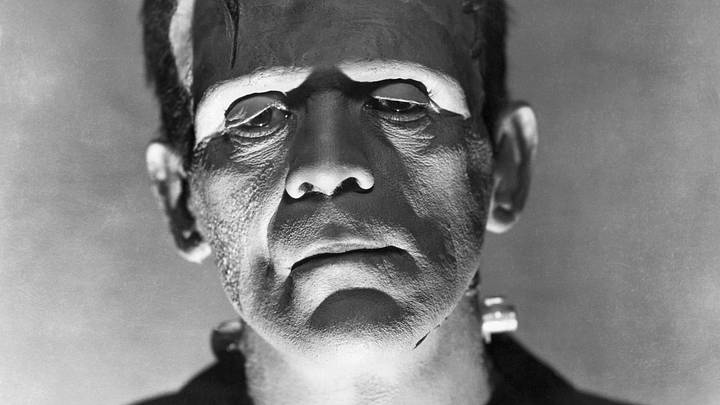
Mary Shelley’s monster is already in the public domain, of course. But James Whale’s movie? Universal registered it on November 16, 1931, and then renewed it in 1959. Come January, Colin Clive screaming “It’s alive! It’s alive!” is up for grabs, and so are the flat head and neck bolts that most of us picture when somebody mentions Frankenstein. The monster was played by a little-known actor named Boris Karloff after Bela Lugosi turned it down.
Dracula
Lugosi could afford to be picky because he was already the Count. Tod Browning’s Dracula was registered by Universal on February 2, 1931, and released across the country on Valentine’s Day. It became one of the studio’s biggest hits of the year, and some film historians even say it saved Universal from bankruptcy. It was renewed in December 1958.
City Lights
This one was written and directed by Charlie Chaplin, who registered it in his own name on February 1, 1931, and then renewed it himself in 1958. It’s the story of the Little Tramp, who meets a blind flower girl who mistakes him for a rich guy, and then saves a drunk millionaire who treats him like a best friend until he gets sober and doesn’t recognize him anymore. The movie goes free on January 1, 2027, but as Chaplin’s website points out, the Little Tramp is a trademark, so don’t go selling any bowler-hat merch just yet.
The Public Enemy
Warner Bros. registered William A. Wellman’s gangster picture on April 4, 1931. It took the top spot on Mental Floss’s list of best gangster movies as the role that defined James Cagney’s career, and it was based on Beer and Blood, an unpublished novel by two former newspapermen. It was renewed in 1958, so Cagney shoving that grapefruit in Mae Clarke’s face will soon be fair game.
Monkey Business
The Marx Brothers’ films have been going public at a rate of one movie a year: The Cocoanuts in 2025, then Animal Crackers in 2026, according to Duke. Paramount’s Monkey Business is up next. It was registered September 17, 1931, and renewed in December 1958, with Norman McLeod directing and the story credited to S.J. Perelman and Will B. Johnstone. Some film professor is probably already plotting a very cheap triple feature.
Sanctuary

William Faulkner’s As I Lay Dying went public on January 1, 2026, and Sanctuary comes a year later. Faulkner registered the novel on February 9, 1931, and renewed it himself on February 26, 1958. There’s a separate copyright on an introduction he added in 1932, which he renewed in 1959, so if you’re reprinting the book, leave out the preface until 2028.
The Good Earth

Pearl S. Buck registered The Good Earth on March 2, 1931, and renewed it in March 1958. It’s the first book in her trilogy about the Wang family, followed by Sons and A House Divided, and according to the official Nobel Prize site, those books gave Buck her major literary breakthrough on the way to the 1938 prize for literature. Sons came out in 1932, so the Wang family saga goes free one book at a time.
The Glass Key

The novel version of The Maltese Falcon went public in 2026, according to Duke, and Dashiell Hammett’s next novel is right behind it. Hammett registered The Glass Key twice in 1931, once in January and once in April, and renewed it in October 1958. The author, it seems, liked to be sure.
Nancy Drew: The Secret at Shadow Ranch and The Secret of Red Gate Farm

The first four Nancy Drew books went public in 2026, and 1931 brings the next two. The Secret at Shadow Ranch was registered on January 28, 1931, and renewed in January 1959. The Secret of Red Gate Farm was registered on August 12, 1931, and its renewal credits Harriet S. Adams and Edna C. Squier as the authors behind the pen name, a reminder that Carolyn Keene never existed.
“As Time Goes By”
Herman Hupfeld registered the words and music on July 28, 1931, and the copyright was renewed in July 1958. The song was more than a decade old when Casablanca premiered in November 1942 and made “Play it, Sam. Play ‘As Time Goes By’” one of the American Film Institute’s top movie quotes. The sheet music goes free on January 1, but Casablanca itself has to wait until 2038.
“Minnie the Moocher”
Cab Calloway and Irving Mills registered “Minnie the Moocher,” subtitled “The ho de ho song,” on April 7, 1931, and renewed it themselves in March 1959. This is only the composition going public, not the recordings, the same distinction Duke made for last year’s songs. Calloway’s 1931 records are subject to the 100-year rule for sound recordings, so they remain protected through 2031.
“Mood Indigo”
The math gets fussy here. Duke Ellington’s “Mood Indigo” came out in 1930, but back then the copyright clock started with the sheet music, which wasn’t published until 1931, so Duke flagged it as a 2027 arrival in its 2026 report. Ellington shares the February 1931 registration with Albany Bigard and, once again, Irving Mills. Mills is on “Minnie the Moocher” too. Big January for Irving.
One final important note: the version of the work published in 1931 is the one going public, not anything that came later. As Duke puts it, “Newer, different versions of the characters are still copyrighted, and trademark rights still cover the character names and designs when they are used on merchandise as brand signifiers.” So go ahead and show Frankenstein, print Sanctuary, and play “As Time Goes By” as much as you want, but Universal’s lawyers will still be awake on January 2.