%20%20--%3E%0A%3Csvg%20version%3D%221.1%22%20id%3D%22Layer_1%22%20xmlns%3D%22http%3A%2F%2Fwww.w3.org%2F2000%2Fsvg%22%20xmlns%3Axlink%3D%22http%3A%2F%2Fwww.w3.org%2F1999%2Fxlink%22%20x%3D%220px%22%20y%3D%220px%22%0A%09%20viewBox%3D%220%200%20684.6%2068.1%22%20style%3D%22enable-background%3Anew%200%200%20684.6%2068.1%3B%22%20xml%3Aspace%3D%22preserve%22%3E%0A%3Cg%3E%0A%09%3Cpath%20d%3D%22M444.1%2C29.3h-17.4v14.5h17.4V29.3z%20M36.4%2C68.1l29.3-50.8V0H50.4L32.9%2C36.8L15.5%2C0H0v68.1h16.7V45.8l12.4%2C22.3H36.4z%0A%09%09%20M49.1%2C68.1h16.6V23.4L49.1%2C52.1V68.1z%20M76.6%2C68.1h45V53.8H93.3V41.6h21V27.1h-21V14.8h28.3V0.1h-45V68.1z%20M175.6%2C68.1h17.3v-68%0A%09%09h-16.5v40.3L150%2C0.1h-17.6v68h16.7V27.7L175.6%2C68.1z%20M235.8%2C14.8h15.4V0.1h-47.4v14.7H219v53.2h16.8V14.8z%20M290.3%2C45.9h-17.1%0A%09%09l7.5-15.6h2L290.3%2C45.9z%20M298.7%2C68.1h18l-32.2-68h-5.7l-32%2C68h18l3.3-7.1h27.1L298.7%2C68.1z%20M325.2%2C68.1h46.2V53.8h-29.6V0.1h-16.7%0A%09%09V68.1z%20M423.7%2C14.8h27.2V0.1H407v68h16.7V14.8z%20M462%2C68.1h46.2V53.8h-29.6V0.1H462V68.1z%20M564.8%2C34.1c0%2C10.7-7.2%2C19.2-18.5%2C19.2%0A%09%09c-11.4%2C0-18.5-8.5-18.5-19.2s7.1-19.2%2C18.5-19.2C557.6%2C14.9%2C564.8%2C23.4%2C564.8%2C34.1%20M580.6%2C34.1c0-19-14.2-34-34.3-34%0A%09%09c-20.2%2C0-34.3%2C15-34.3%2C34c0%2C19%2C14.1%2C34%2C34.3%2C34C566.4%2C68.1%2C580.6%2C53.1%2C580.6%2C34.1%20M604.8%2C20.5c0-4.1%2C3.3-6.2%2C6.7-6.2%0A%09%09c4.4%2C0%2C6.6%2C3%2C6.6%2C6.6h14.7C631.8%2C9.1%2C625.1%2C0.1%2C611%2C0.1c-12%2C0-21.7%2C9.3-21.7%2C20.6c0%2C10.9%2C5.9%2C15.9%2C16.7%2C19.8%0A%09%09c5.2%2C1.8%2C11.5%2C3.2%2C11.5%2C8c0%2C3.3-2.4%2C5.5-6.4%2C5.5c-3.6%2C0-6.6-3-6.6-6.7h-15.2c0%2C11.5%2C7.9%2C20.8%2C21.8%2C20.8c12%2C0%2C21.6-9.3%2C21.6-20.6%0A%09%09c0-10-5.3-16.4-16.7-19.8C610.6%2C26.1%2C604.8%2C25.3%2C604.8%2C20.5%20M670%2C20.9h14.7C683.8%2C9.1%2C677.1%2C0.1%2C663%2C0.1c-12%2C0-21.7%2C9.3-21.7%2C20.6%0A%09%09c0%2C10.9%2C5.9%2C15.9%2C16.7%2C19.8c5.2%2C1.8%2C11.5%2C3.2%2C11.5%2C8c0%2C3.3-2.4%2C5.5-6.4%2C5.5c-3.6%2C0-6.6-3-6.6-6.7h-15.2c0%2C11.5%2C7.9%2C20.8%2C21.8%2C20.8%0A%09%09c12%2C0%2C21.6-9.3%2C21.6-20.6c0-10-5.3-16.4-16.7-19.8c-5.4-1.6-11.3-2.4-11.3-7.2c0-4.1%2C3.3-6.2%2C6.7-6.2C667.7%2C14.4%2C670%2C17.3%2C670%2C20.9%0A%09%09%22%2F%3E%0A%3C%2Fg%3E%0A%3C%2Fsvg%3E%0A)

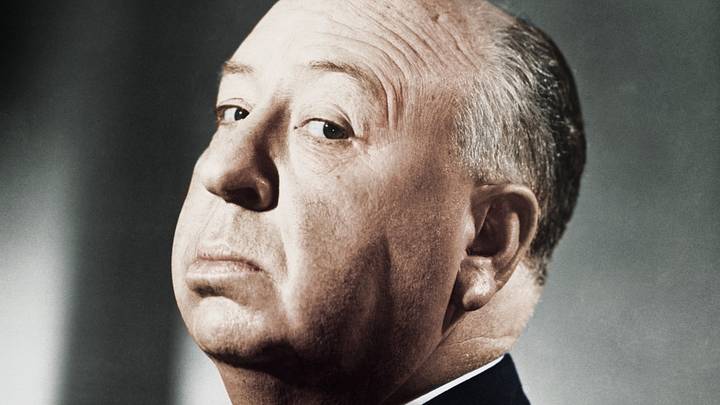
Alfred Hitchcock made over 50 films during his storied career. From the iconic Psycho, which left an everlasting impact on the horror genre, to Rebecca, which was his sole Best Picture winner, he had a knack for creating a chilling mood onscreen that lingered long after the credits finished. Yet there was just one film of his own that Hitchcock loved best of all—at least according to one of his interviews.
Why Hitchcock Loved Shadow of a Doubt Best
In 1972, Hitchcock told Dick Cavett that the film Shadow of a Doubt was his favorite “because it was true it was a character picture.” The director added: “It was a family in a Northern Californian town, and beloved uncle Charlie comes to stay with them and what the family don’t know is that uncle Charlie is a mass murderer, murdered many women, and the suspense is how long will it be before the family find out the truth…they never do.”
Hitchcock lived part-time in an estate in the Santa Cruz area of Northern California, and it seems like his affection for the place played a role in his preference for the movie. In the documentary short “Beyond Doubt: The Making of Hitchcock’s Favorite Film,” the director’s daughter, Pat, reflected on why this was the film her father loved best. “He loved the thought of bringing menace into a small town,” she said.
In a 1962 series of interviews with François Truffaut, though, Hitchcock pushed back against the idea that Shadow of a Doubt was his favorite film. “I wouldn’t say that Shadow of a Doubt is my favorite picture; if I’ve given that impression, it’s probably because I feel that here is something that our friends, the plausibles and logicians, cannot complain about,” he said at the time. Perhaps things had changed by 1972, or maybe he simply still wanted to make sure the plausibles and logicians had nothing to say.
Shadow of a Doubt’s Plot and Interpretations
Shadow of a Doubt is a twisty, dark tale of evil coming to haunt a family in a bucolic town. It tells the story of a killer named Charlie who flees Philadelphia to stay with his sister’s family in California. His niece, nicknamed “Young Charlie,” idolizes him, but things change when two police officers show up and the elder Charlie’s behavior changes. Soon, “Young Charlie” must fight for her life, all while her family refuses to admit anything is wrong.
The film has been labeled subversive due to its portrayal of evils and madness that simmer just beneath the surface of a seemingly ordinary small town. The movie has also been read as a metaphor for child abuse, incest, and other evils that can fester beneath the guise of a mundane and ordinary family.
The film has also been read as a metaphor for how seemingly respectable and ordinary men and women can hide great depravity within them, whether in families or even governments, nations, and systems of power. The film’s portrayal of a child discovering she is not safe among family members she loves is certainly deeply psychologically complex, especially for a film of this era.
Shadow of a Doubt’s Glowing Reviews

Fittingly, Shadow of a Doubt also ranks number one out of all of Hitchcock’s discography on Rotten Tomatoes, with a 100% fresh score. Critics seem to largely agree with Hitchcock’s own judgment about this film, and reviewers praised the acting, cinematography, and narrative complexity.
Many also praised Hitchcock’s ability to deconstruct traditional signifiers of morality and to reveal the cruelty and incompetence that lets crimes go unpunished and the guilty walk free, often while the innocent take the blame. False accusations are common themes across Hitchcock’s work, a fact clearly inspired by the five minutes he spent behind bars at the age of five after his father punished him by forcing him to walk to the police station and demand to be imprisoned. This traumatic event gave Hitchcock a strong distrust of police and helped give shape to some of the moral complexity that underlies his entire body of work.