%20%20--%3E%0A%3Csvg%20version%3D%221.1%22%20id%3D%22Layer_1%22%20xmlns%3D%22http%3A%2F%2Fwww.w3.org%2F2000%2Fsvg%22%20xmlns%3Axlink%3D%22http%3A%2F%2Fwww.w3.org%2F1999%2Fxlink%22%20x%3D%220px%22%20y%3D%220px%22%0A%09%20viewBox%3D%220%200%20684.6%2068.1%22%20style%3D%22enable-background%3Anew%200%200%20684.6%2068.1%3B%22%20xml%3Aspace%3D%22preserve%22%3E%0A%3Cg%3E%0A%09%3Cpath%20d%3D%22M444.1%2C29.3h-17.4v14.5h17.4V29.3z%20M36.4%2C68.1l29.3-50.8V0H50.4L32.9%2C36.8L15.5%2C0H0v68.1h16.7V45.8l12.4%2C22.3H36.4z%0A%09%09%20M49.1%2C68.1h16.6V23.4L49.1%2C52.1V68.1z%20M76.6%2C68.1h45V53.8H93.3V41.6h21V27.1h-21V14.8h28.3V0.1h-45V68.1z%20M175.6%2C68.1h17.3v-68%0A%09%09h-16.5v40.3L150%2C0.1h-17.6v68h16.7V27.7L175.6%2C68.1z%20M235.8%2C14.8h15.4V0.1h-47.4v14.7H219v53.2h16.8V14.8z%20M290.3%2C45.9h-17.1%0A%09%09l7.5-15.6h2L290.3%2C45.9z%20M298.7%2C68.1h18l-32.2-68h-5.7l-32%2C68h18l3.3-7.1h27.1L298.7%2C68.1z%20M325.2%2C68.1h46.2V53.8h-29.6V0.1h-16.7%0A%09%09V68.1z%20M423.7%2C14.8h27.2V0.1H407v68h16.7V14.8z%20M462%2C68.1h46.2V53.8h-29.6V0.1H462V68.1z%20M564.8%2C34.1c0%2C10.7-7.2%2C19.2-18.5%2C19.2%0A%09%09c-11.4%2C0-18.5-8.5-18.5-19.2s7.1-19.2%2C18.5-19.2C557.6%2C14.9%2C564.8%2C23.4%2C564.8%2C34.1%20M580.6%2C34.1c0-19-14.2-34-34.3-34%0A%09%09c-20.2%2C0-34.3%2C15-34.3%2C34c0%2C19%2C14.1%2C34%2C34.3%2C34C566.4%2C68.1%2C580.6%2C53.1%2C580.6%2C34.1%20M604.8%2C20.5c0-4.1%2C3.3-6.2%2C6.7-6.2%0A%09%09c4.4%2C0%2C6.6%2C3%2C6.6%2C6.6h14.7C631.8%2C9.1%2C625.1%2C0.1%2C611%2C0.1c-12%2C0-21.7%2C9.3-21.7%2C20.6c0%2C10.9%2C5.9%2C15.9%2C16.7%2C19.8%0A%09%09c5.2%2C1.8%2C11.5%2C3.2%2C11.5%2C8c0%2C3.3-2.4%2C5.5-6.4%2C5.5c-3.6%2C0-6.6-3-6.6-6.7h-15.2c0%2C11.5%2C7.9%2C20.8%2C21.8%2C20.8c12%2C0%2C21.6-9.3%2C21.6-20.6%0A%09%09c0-10-5.3-16.4-16.7-19.8C610.6%2C26.1%2C604.8%2C25.3%2C604.8%2C20.5%20M670%2C20.9h14.7C683.8%2C9.1%2C677.1%2C0.1%2C663%2C0.1c-12%2C0-21.7%2C9.3-21.7%2C20.6%0A%09%09c0%2C10.9%2C5.9%2C15.9%2C16.7%2C19.8c5.2%2C1.8%2C11.5%2C3.2%2C11.5%2C8c0%2C3.3-2.4%2C5.5-6.4%2C5.5c-3.6%2C0-6.6-3-6.6-6.7h-15.2c0%2C11.5%2C7.9%2C20.8%2C21.8%2C20.8%0A%09%09c12%2C0%2C21.6-9.3%2C21.6-20.6c0-10-5.3-16.4-16.7-19.8c-5.4-1.6-11.3-2.4-11.3-7.2c0-4.1%2C3.3-6.2%2C6.7-6.2C667.7%2C14.4%2C670%2C17.3%2C670%2C20.9%0A%09%09%22%2F%3E%0A%3C%2Fg%3E%0A%3C%2Fsvg%3E%0A)

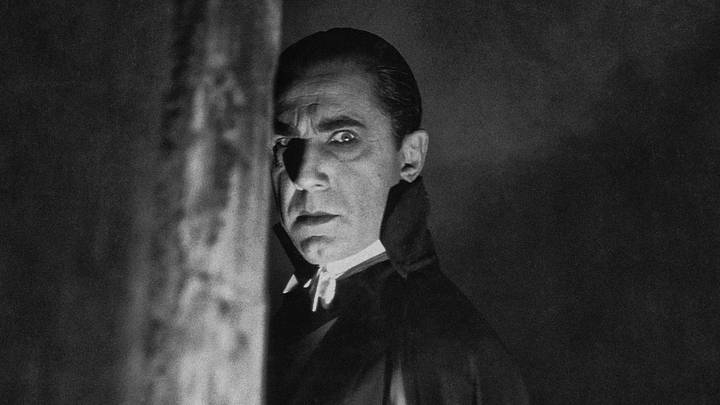
Bela Lugosi set the standard for Dracula's portrayal on stage and screen, so it’s no surprise Disney sought his assistance in bringing Fantasia’s Chernabog to life. The devil at the heart of “The Night on Bald Mountain” has been frightening movie lovers since his 1940 debut. The animated sequence fully embodies Bram Stoker’s iconic line from Dracula: "Listen to them, the children of the night. What music they make!"
When Dracula Met Disney
Chernabog’s looming presence, dramatic flair, and villainous countenance play right into Lugosi’s strengths. During production of Fantasia, he was hired as a live-action reference for the night god. Bill Tytla, who’s considered to be "Animation's Michelangelo," intended to use the actor’s interpretation of Chernabog to animate his physicality and movement. However, after viewing the footage captured at Disney Studios over the course of a day, he found Lugosi to be too theatrical and was unsatisfied with the material.
A perfectionist known for his ability to become the characters he drew, Tytla chose to go in another direction to satisfy his vision. He reshot references using the movie’s art director Wilfred Jackson as his model. Chernabog’s dominating gestures and sinister demeanor stem from Jackson’s performance. He helped define the sequence that sees Chernabog raise the dead to gallivant with demons. Cavorting through flame and darkness, these figures danced a line between the mortal and spiritual worlds.

What makes Chernabog so terrifying is Tytla’s attention to his devilry. He is a nightmarish allusion to Satan. This is shown clearly through his winged depiction, the unfurling of his darkness, his control over spirits and creatures of hell, and his diminishing once morning comes and the church bell rings. He has dominion over the night and all the sordid evils that pass through it. Tytla masterfully portrays his malevolence and control to hair-raising perfection.
“The Night on Bald Mountain” is a feast for the eyes supported by an instrumental that sweeps the audience along with the winds of Chernabog’s whims. The song, which gives the sequence its name, is a tone poem composed by Modest Mussorgsky in 1867. Leopold Stokowski arranged the poem for the film and conducted the Philadelphia Orchestra through the movements.
But it is not all chaos and fire and smoke. As the sun crests over the horizon, the music transitions to “Ave Maria” by Franz Schubert. It is the signal that Chernabog’s reign is over as he shrinks back from the light. He is forced into slumber by the breaking of day and laid to rest. It’s a reminder that all things must end.
From Slavic Myth to Fantasia
While Fantasia brings Chernabog into the fantastical imaginings of an animated short, he is actually based on Chernobog, a Slavic deity whose name translates to “Black God.” He is the god of misfortune and the opposing figure to Belobog (“White God”).

During the Witches’ Sabbath, or Walpurgis Night, Chernobog is said to lord over the night, sowing ruin and discord. But in practice, northern Europe and Scandinavia see the day as a holiday to celebrate on April 30. According to Britannica, the Swedes sing traditional spring folk songs and light bonfires on the night. Germans dress up in costumes and prank each other. They make loud noises to keep evil away. Revelers in the countries that celebrate Walpurgis Night hang blessed sprigs of foliage in their homes and barns to ward off evil spirits. They also leave phantom hounds offerings of buttered and honeyed bread.
Fantasia takes a decidedly ghoulish interpretation of the holiday, but in actuality Walpurgis Night takes its cues from pagan celebrations of spring’s arrival and fertility rites. For Chernabog, however, it’s a night when he and his minions can get into mischief and spread mayhem for as long as darkness has its hold on the land.