%20%20--%3E%0A%3Csvg%20version%3D%221.1%22%20id%3D%22Layer_1%22%20xmlns%3D%22http%3A%2F%2Fwww.w3.org%2F2000%2Fsvg%22%20xmlns%3Axlink%3D%22http%3A%2F%2Fwww.w3.org%2F1999%2Fxlink%22%20x%3D%220px%22%20y%3D%220px%22%0A%09%20viewBox%3D%220%200%20684.6%2068.1%22%20style%3D%22enable-background%3Anew%200%200%20684.6%2068.1%3B%22%20xml%3Aspace%3D%22preserve%22%3E%0A%3Cg%3E%0A%09%3Cpath%20d%3D%22M444.1%2C29.3h-17.4v14.5h17.4V29.3z%20M36.4%2C68.1l29.3-50.8V0H50.4L32.9%2C36.8L15.5%2C0H0v68.1h16.7V45.8l12.4%2C22.3H36.4z%0A%09%09%20M49.1%2C68.1h16.6V23.4L49.1%2C52.1V68.1z%20M76.6%2C68.1h45V53.8H93.3V41.6h21V27.1h-21V14.8h28.3V0.1h-45V68.1z%20M175.6%2C68.1h17.3v-68%0A%09%09h-16.5v40.3L150%2C0.1h-17.6v68h16.7V27.7L175.6%2C68.1z%20M235.8%2C14.8h15.4V0.1h-47.4v14.7H219v53.2h16.8V14.8z%20M290.3%2C45.9h-17.1%0A%09%09l7.5-15.6h2L290.3%2C45.9z%20M298.7%2C68.1h18l-32.2-68h-5.7l-32%2C68h18l3.3-7.1h27.1L298.7%2C68.1z%20M325.2%2C68.1h46.2V53.8h-29.6V0.1h-16.7%0A%09%09V68.1z%20M423.7%2C14.8h27.2V0.1H407v68h16.7V14.8z%20M462%2C68.1h46.2V53.8h-29.6V0.1H462V68.1z%20M564.8%2C34.1c0%2C10.7-7.2%2C19.2-18.5%2C19.2%0A%09%09c-11.4%2C0-18.5-8.5-18.5-19.2s7.1-19.2%2C18.5-19.2C557.6%2C14.9%2C564.8%2C23.4%2C564.8%2C34.1%20M580.6%2C34.1c0-19-14.2-34-34.3-34%0A%09%09c-20.2%2C0-34.3%2C15-34.3%2C34c0%2C19%2C14.1%2C34%2C34.3%2C34C566.4%2C68.1%2C580.6%2C53.1%2C580.6%2C34.1%20M604.8%2C20.5c0-4.1%2C3.3-6.2%2C6.7-6.2%0A%09%09c4.4%2C0%2C6.6%2C3%2C6.6%2C6.6h14.7C631.8%2C9.1%2C625.1%2C0.1%2C611%2C0.1c-12%2C0-21.7%2C9.3-21.7%2C20.6c0%2C10.9%2C5.9%2C15.9%2C16.7%2C19.8%0A%09%09c5.2%2C1.8%2C11.5%2C3.2%2C11.5%2C8c0%2C3.3-2.4%2C5.5-6.4%2C5.5c-3.6%2C0-6.6-3-6.6-6.7h-15.2c0%2C11.5%2C7.9%2C20.8%2C21.8%2C20.8c12%2C0%2C21.6-9.3%2C21.6-20.6%0A%09%09c0-10-5.3-16.4-16.7-19.8C610.6%2C26.1%2C604.8%2C25.3%2C604.8%2C20.5%20M670%2C20.9h14.7C683.8%2C9.1%2C677.1%2C0.1%2C663%2C0.1c-12%2C0-21.7%2C9.3-21.7%2C20.6%0A%09%09c0%2C10.9%2C5.9%2C15.9%2C16.7%2C19.8c5.2%2C1.8%2C11.5%2C3.2%2C11.5%2C8c0%2C3.3-2.4%2C5.5-6.4%2C5.5c-3.6%2C0-6.6-3-6.6-6.7h-15.2c0%2C11.5%2C7.9%2C20.8%2C21.8%2C20.8%0A%09%09c12%2C0%2C21.6-9.3%2C21.6-20.6c0-10-5.3-16.4-16.7-19.8c-5.4-1.6-11.3-2.4-11.3-7.2c0-4.1%2C3.3-6.2%2C6.7-6.2C667.7%2C14.4%2C670%2C17.3%2C670%2C20.9%0A%09%09%22%2F%3E%0A%3C%2Fg%3E%0A%3C%2Fsvg%3E%0A)

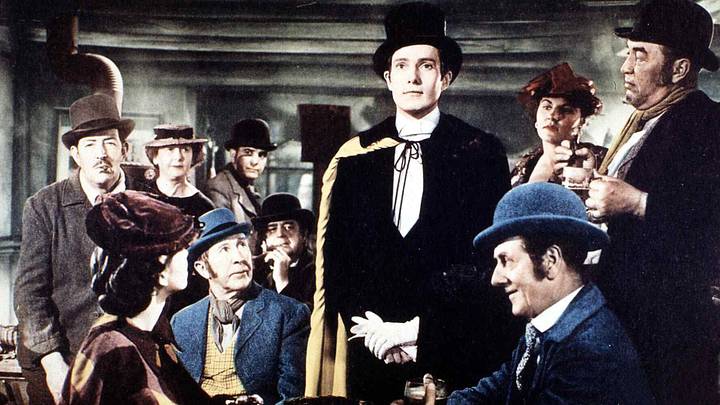
The Victorian era remains a popular setting for historical dramas on film. However, the vision of the Victorian world offered by these dramatizations is not always an accurate one. Here are a number of things which movies get wrong about Victorian life.
- Lighting both indoors and outdoors was much better than it seems in films
- It was much more colorful than it has been made to look
- Dental health was not as good as it is today
- The Victorians were not as repressed and inhibited as they are sometimes portrayed
- They were not just passive subjects on film; they created their own
Lighting both indoors and outdoors was much better than it seems in films

The Victorian world is often represented as dark and gloomy both indoors and out, as shown through the shadowy street scenes and oppressive rooms within houses that tend to define Victorian-era cinema. However, this era actually coincides with major innovations in lighting, including the invention of the light bulb and the rise of electric lighting. These developments revolutionized the way households were lit, paving the way for the brighter interiors of the present day.
Outdoor lighting also improved vastly over the course of the nineteenth century. At the beginning, it was more difficult to see outside after dark, but by the turn of the twentieth century, street lighting was in widespread use.
It was much more colorful than it has been made to look

The impression created by films that the Victorian world was a gloomy place is contradicted not only by the improvements in lighting during this period, but also by the rise of color in everyday life that occurred during this era.
Clothes were much more varied and vibrant than the drab shades sometimes envisioned in the movies. This historical period actually saw the creation of synthetic textile dyes, which caused major changes in fashion. This was partly due to an accidental discovery by a student named William Henry Perkin during his time at the Royal College of Chemistry.
While attempting to synthesize quinine from coal tar, Perkin unintentionally created a type of violet dye that had not been used in clothing before. The popularity of the color, as well as other colors that developed from that initial discovery, led to much more vibrant hues in the fashion of the era.
Dental health was not as good as it is today

On a less positive note, something about Victorian life that compares unfavorably to today is that dental health lacked the scientific and technological advantages we have when caring for our teeth in the modern world.
This is something which is frequently misrepresented on film, where Victorians are often played by contemporary actors who have been able to use modern toothbrushes, dental pastes, and floss to maintain good hygiene and appearances for their teeth. In reality, the teeth of many Victorians would have been less pleasant to look at and more prone to infection and disease, and the methods used by dentists to extract them were likewise much more uncomfortable than today, which led to the widespread use of false teeth.
The Victorians were not as repressed and inhibited as they are sometimes portrayed

The Victorian period is often viewed as a time of repression in many forms of life, with people portrayed as being unable to say or do what they wanted and living under rigid social codes. While it is true that this was an era that involved a great deal of censorship and policing of Victorian ideas of morality, there were also areas of life in which people lived in much more uninhibited ways.
This can be seen in the flourishing of music halls, a popular form of entertainment which sometimes saw bawdy onstage acts as well as celebratory reactions from the audience. In addition, some commonly circulated claims about Victorian repression, such as the allegation that table legs were covered as a statement of public decency, were myths.
They were not just passive subjects on film; they created their own

The Victorian era is frequently represented on film, but dramatizations only occasionally touch on the ways in which the Victorians created their own films and other forms of moving images.
The people of this age were actually the ones who paved the way for cinema today, as shown in the work of artists like Eadweard Muybridge, who helped to pioneer methods of connecting individual still images to create the illusion of movement, and further developments which led to the technological innovations of the Lumière brothers and the Edison Company, amongst others. This eventually led to the first-ever commercial screening of moving-image films in December 1895, a milestone in cinema history.