%20%20--%3E%0A%3Csvg%20version%3D%221.1%22%20id%3D%22Layer_1%22%20xmlns%3D%22http%3A%2F%2Fwww.w3.org%2F2000%2Fsvg%22%20xmlns%3Axlink%3D%22http%3A%2F%2Fwww.w3.org%2F1999%2Fxlink%22%20x%3D%220px%22%20y%3D%220px%22%0A%09%20viewBox%3D%220%200%20684.6%2068.1%22%20style%3D%22enable-background%3Anew%200%200%20684.6%2068.1%3B%22%20xml%3Aspace%3D%22preserve%22%3E%0A%3Cg%3E%0A%09%3Cpath%20d%3D%22M444.1%2C29.3h-17.4v14.5h17.4V29.3z%20M36.4%2C68.1l29.3-50.8V0H50.4L32.9%2C36.8L15.5%2C0H0v68.1h16.7V45.8l12.4%2C22.3H36.4z%0A%09%09%20M49.1%2C68.1h16.6V23.4L49.1%2C52.1V68.1z%20M76.6%2C68.1h45V53.8H93.3V41.6h21V27.1h-21V14.8h28.3V0.1h-45V68.1z%20M175.6%2C68.1h17.3v-68%0A%09%09h-16.5v40.3L150%2C0.1h-17.6v68h16.7V27.7L175.6%2C68.1z%20M235.8%2C14.8h15.4V0.1h-47.4v14.7H219v53.2h16.8V14.8z%20M290.3%2C45.9h-17.1%0A%09%09l7.5-15.6h2L290.3%2C45.9z%20M298.7%2C68.1h18l-32.2-68h-5.7l-32%2C68h18l3.3-7.1h27.1L298.7%2C68.1z%20M325.2%2C68.1h46.2V53.8h-29.6V0.1h-16.7%0A%09%09V68.1z%20M423.7%2C14.8h27.2V0.1H407v68h16.7V14.8z%20M462%2C68.1h46.2V53.8h-29.6V0.1H462V68.1z%20M564.8%2C34.1c0%2C10.7-7.2%2C19.2-18.5%2C19.2%0A%09%09c-11.4%2C0-18.5-8.5-18.5-19.2s7.1-19.2%2C18.5-19.2C557.6%2C14.9%2C564.8%2C23.4%2C564.8%2C34.1%20M580.6%2C34.1c0-19-14.2-34-34.3-34%0A%09%09c-20.2%2C0-34.3%2C15-34.3%2C34c0%2C19%2C14.1%2C34%2C34.3%2C34C566.4%2C68.1%2C580.6%2C53.1%2C580.6%2C34.1%20M604.8%2C20.5c0-4.1%2C3.3-6.2%2C6.7-6.2%0A%09%09c4.4%2C0%2C6.6%2C3%2C6.6%2C6.6h14.7C631.8%2C9.1%2C625.1%2C0.1%2C611%2C0.1c-12%2C0-21.7%2C9.3-21.7%2C20.6c0%2C10.9%2C5.9%2C15.9%2C16.7%2C19.8%0A%09%09c5.2%2C1.8%2C11.5%2C3.2%2C11.5%2C8c0%2C3.3-2.4%2C5.5-6.4%2C5.5c-3.6%2C0-6.6-3-6.6-6.7h-15.2c0%2C11.5%2C7.9%2C20.8%2C21.8%2C20.8c12%2C0%2C21.6-9.3%2C21.6-20.6%0A%09%09c0-10-5.3-16.4-16.7-19.8C610.6%2C26.1%2C604.8%2C25.3%2C604.8%2C20.5%20M670%2C20.9h14.7C683.8%2C9.1%2C677.1%2C0.1%2C663%2C0.1c-12%2C0-21.7%2C9.3-21.7%2C20.6%0A%09%09c0%2C10.9%2C5.9%2C15.9%2C16.7%2C19.8c5.2%2C1.8%2C11.5%2C3.2%2C11.5%2C8c0%2C3.3-2.4%2C5.5-6.4%2C5.5c-3.6%2C0-6.6-3-6.6-6.7h-15.2c0%2C11.5%2C7.9%2C20.8%2C21.8%2C20.8%0A%09%09c12%2C0%2C21.6-9.3%2C21.6-20.6c0-10-5.3-16.4-16.7-19.8c-5.4-1.6-11.3-2.4-11.3-7.2c0-4.1%2C3.3-6.2%2C6.7-6.2C667.7%2C14.4%2C670%2C17.3%2C670%2C20.9%0A%09%09%22%2F%3E%0A%3C%2Fg%3E%0A%3C%2Fsvg%3E%0A)

It’s easy to get bogged down in the details of recording music. You can get totally obsessed with getting the exact perfect vocal take for one particular line or with manipulating the tone of a guitar solo, and so on and so forth, until finishing a single verse can take days.
Yet sometimes, greatness can come from letting go of perfection and embracing the chaos and electricity of rapid-fire creativity. That was the case for these seven albums, each of which was completed in less than a week’s worth of studio sessions.
Some were made under more duress than others, but all of them remain examples of how improvisation, courage, and undeniable chemistry between band members can lead to immortal musical output. From albums that helped launch heavy metal and punk to radical pivots that transformed the careers of major stars, here are eight albums that were recorded fast—and have remained iconic for decades.
- Please Please Me // The Beatles
- Bringing It All Back Home // Bob Dylan
- Led Zeppelin // Led Zeppelin
- Ramones // Ramones
- Black Sabbath // Black Sabbath
- Pink Moon // Nick Drake
- Kind of Blue // Miles Davis
- The Doors // The Doors
Please Please Me // The Beatles
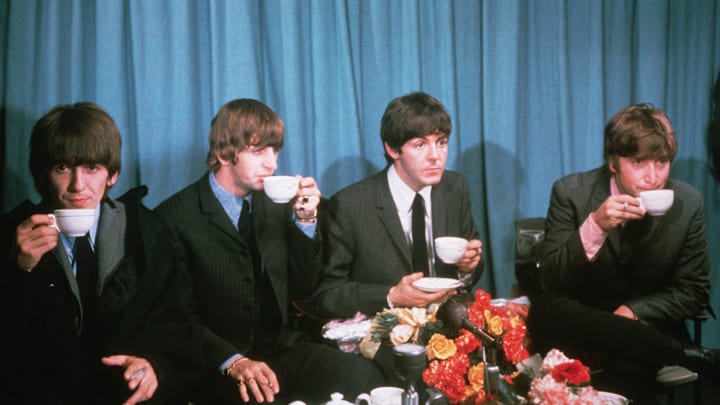
In 1963, the Beatles were beginning to explode in popularity. Their second single, which would go on to be the title of their first album, had hit number one on multiple major UK charts, and their label, EMI, wanted to capitalize on their success.
The band went on to record ten out of the fourteen songs on their first album in a single ten-hour session at EMI Recording Studios, which would later be renamed Abbey Road. On the day of the recording, John Lennon had a cold and downed numerous throat lozenges throughout the day. By the time he recorded the last song of the session—a cover of “Twist and Shout”—his throat was burning. “My voice wasn't the same for a long time after; every time I swallowed, it was like sandpaper,” he said.
The whole day of recording cost around just 400 pounds. All ten tracks appeared on the album, which also included four songs that had previously been recorded and released as singles.
Bringing It All Back Home // Bob Dylan
Bob Dylan successfully tracked the entirety of the album that would mark his shift from folk music to electric guitar-powered rock and roll in just three days. In early 1965, Dylan was under pressure from his label to release new music. At the same time, he felt an undeniable pull towards blues and rock and roll.
Bringing It All Back Home emerged from three heady sessions at New York City’s Columbia Recording Studios. On the first day, Dylan mostly recorded solo, but only one song from that session—“Bob Dylan’s 115th Dream”—wound up making it to the album. On the second day, a new group of session musicians joined him. Something clicked, and they finished five songs in just a few hours. A new group of musicians arrived that night, but when things weren’t going as smoothly, the first group was invited back for the final day, and they finished the album.
“Most of the songs went down easily and needed only three or four takes,” said Daniel Kramer, the photographer behind the album’s cover, per Far Out. “In some cases, the first take sounded completely different from the final one because the material was played at a different tempo, perhaps, or a different chord was chosen, or solos may have been rearranged…His method of working, the certainty of what he wanted, kept things moving.” What emerged was an album that bridged the worlds of folk and rock and roll and changed music forever.
Led Zeppelin // Led Zeppelin
Led Zeppelin recorded their debut album in just about 36 hours of studio time that stretched over several weeks. The band had come together in 1968 after Jimmy Page’s band The Yardbirds fell apart that summer. Page then recruited Robert Plant, John Paul Jones, and John Bonham, and by September of that year, they were in the studio.
Page had a crystal-clear idea of what he wanted from the sessions, and made the album without help from a label. “I financed and completely recorded the first album before going to Atlantic,” he said, per Brad Tolinski's book Light And Shade: Conversations with Jimmy Page. “It wasn’t your typical story where you get an advance to make an album. We arrived at Atlantic with tapes in hand.”
The process went extremely smoothly. “We recorded that first album very quickly. We got so much done, it was as if each day was a week long,” Page later wrote on Facebook. “Even now looking back, I don’t know how we managed to stretch time in such a way!” The result of that miraculous time was an album that launched the band's career into the stratosphere.
Ramones // Ramones
The Ramones’ first album is widely credited with being one of the first major entries in the canon of punk music. In true punk spirit, the album came together in less than six days in 1976.
In actuality, though, the band was quite prepared when they went to record their debut. “Most of the songs were ready to go, because of our experience of recording the demo. That’s how we were able to record the first album so quickly,” Tommy Ramone told Mojo. “...We ended up doing two or three days recording tracks and overdubs, and part of that was for Joey’s vocals, and then we did a 14-hour marathon mix session. I don’t think it was more than five days altogether.”
Still, the energy in the recording studio was tense. “The biggest problem was the lack of time. There was very little room for trial and error,” Ramone continued. “Plus there were all these unknowns: the studio itself, working with [producer] Craig Leon, whether [the label] Sire would even approve of what we were doing. Plus, the house engineers we were working with had no clue what the hell we were doing. They thought a bunch of thugs had come into the control room. It was really strange, what we were asking them to do. Everybody was a little nervous.” Still, the result of those sessions helped define a seminal era in rock and roll.
Black Sabbath // Black Sabbath
Black Sabbath’s debut album was recorded in just a single day, yet that day marked the dawn of heavy metal. At the time, the band had been given around £1000 from producer Tony Hall to make an album. “I thought I was rich,” vocalist Ozzy Osbourne said of the cash at the time. “I spent some of the money on a pair of shoes. I used to go around barefoot at the time, because I literally couldn’t afford shoes.”
On November 17, 1969, the band booked one day at London’s Regent Sound Studios. “Well, there was one day set aside to mix it, but we had to get all our parts done on that first day,” said guitarist Tony Iommi. “It was the way things were done in those days. We had no choice. All we could do was set up in this small room, and play the songs through. Mind you, it played to our strengths, because by then we were a really good live band. We had to be really careful to make sure there were no mistakes, otherwise they might end up staying on the record. As I recall, we did have the luxury of doing one or two songs for a second time. But that was it.”
Some of the band’s requests to add additional vocals and overdubs were denied due to time constraints. The next day, producer Rodger Bain mixed the album without the band present, and the album was finished without a lick of input from the musicians.
“We didn’t even hear or see the album before it was released,” Iommi added. “The first we knew was when we got back from Europe, switched on the radio and heard 'Evil Woman.' It was us. On the radio. That was exciting. But we were never sent the mixes of the tracks, nor shown the artwork. Nothing. Mind you, it was a lot harder back then to get anything to a band on the road.”
Pink Moon // Nick Drake
Nick Drake was a singer-songwriter whose music left an indelible impact on the folk genre, but whose life is shrouded in obscurity and tragedy. We do know Drake died at just 26 years old in 1974, and three years prior, he recorded his final album, Pink Moon, in just two nights.
Drake’s first two albums had not been very successful, and the artist had sunk into a depression at the time he made Pink Moon. One day, seemingly out of nowhere, he contacted producer John Wood and asked to record an album. Eschewing arrangements, Drake chose to record with only vocals and guitar. “I think he wanted to make a very direct and personal record,” Wood told The Guardian.
Sessions for the album began at 11 at night. “Nick played his guitar like a metronome,” Wood said. “I cannot think of anybody else I’ve ever recorded, with that little studio experience and at that age, who had that ability. It was extraordinary.”
Pink Moon saw some acclaim over the years, but remained somewhat niche until a song appeared in a car commercial in 1999, sparking renewed interest that eventually turned Drake into a cult figure.
Kind of Blue // Miles Davis
Miles Davis is legendary among musicians, and Kind of Blue is widely considered to be his magnum opus. Yet the album came together in a span of two days—March 2 and April 22, 1959—and with almost no rehearsal.
In lieu of giving the musicians sheet music, Davis only gave his band sketches of the songs, as he wanted the musicians he was playing with—who included John Coltrane and Bill Evans—to embrace spontaneity and improvisation. What emerged was a raw work of musical synergy that could only come from musicians who were completely present with each other and deeply tapped into the possibilities of what they were playing.
The Doors // The Doors
The Doors recorded their debut album at Sunset Sound Recording Studio in Hollywood in 1966. It took only six days. Unlike some of the other albums on this list, the process wasn’t particularly rushed, and the album has a sense of opulent refinement to it that helped catapult the Doors to fame and became a cornerstone of psychedelic rock and 1960s music.
The band arrived to the sessions extremely prepared, having previously recorded an album of demos and having played live extensively. What they created remains some of the most enigmatic and transportive music in psychedelic rock.