%20%20--%3E%0A%3Csvg%20version%3D%221.1%22%20id%3D%22Layer_1%22%20xmlns%3D%22http%3A%2F%2Fwww.w3.org%2F2000%2Fsvg%22%20xmlns%3Axlink%3D%22http%3A%2F%2Fwww.w3.org%2F1999%2Fxlink%22%20x%3D%220px%22%20y%3D%220px%22%0A%09%20viewBox%3D%220%200%20684.6%2068.1%22%20style%3D%22enable-background%3Anew%200%200%20684.6%2068.1%3B%22%20xml%3Aspace%3D%22preserve%22%3E%0A%3Cg%3E%0A%09%3Cpath%20d%3D%22M444.1%2C29.3h-17.4v14.5h17.4V29.3z%20M36.4%2C68.1l29.3-50.8V0H50.4L32.9%2C36.8L15.5%2C0H0v68.1h16.7V45.8l12.4%2C22.3H36.4z%0A%09%09%20M49.1%2C68.1h16.6V23.4L49.1%2C52.1V68.1z%20M76.6%2C68.1h45V53.8H93.3V41.6h21V27.1h-21V14.8h28.3V0.1h-45V68.1z%20M175.6%2C68.1h17.3v-68%0A%09%09h-16.5v40.3L150%2C0.1h-17.6v68h16.7V27.7L175.6%2C68.1z%20M235.8%2C14.8h15.4V0.1h-47.4v14.7H219v53.2h16.8V14.8z%20M290.3%2C45.9h-17.1%0A%09%09l7.5-15.6h2L290.3%2C45.9z%20M298.7%2C68.1h18l-32.2-68h-5.7l-32%2C68h18l3.3-7.1h27.1L298.7%2C68.1z%20M325.2%2C68.1h46.2V53.8h-29.6V0.1h-16.7%0A%09%09V68.1z%20M423.7%2C14.8h27.2V0.1H407v68h16.7V14.8z%20M462%2C68.1h46.2V53.8h-29.6V0.1H462V68.1z%20M564.8%2C34.1c0%2C10.7-7.2%2C19.2-18.5%2C19.2%0A%09%09c-11.4%2C0-18.5-8.5-18.5-19.2s7.1-19.2%2C18.5-19.2C557.6%2C14.9%2C564.8%2C23.4%2C564.8%2C34.1%20M580.6%2C34.1c0-19-14.2-34-34.3-34%0A%09%09c-20.2%2C0-34.3%2C15-34.3%2C34c0%2C19%2C14.1%2C34%2C34.3%2C34C566.4%2C68.1%2C580.6%2C53.1%2C580.6%2C34.1%20M604.8%2C20.5c0-4.1%2C3.3-6.2%2C6.7-6.2%0A%09%09c4.4%2C0%2C6.6%2C3%2C6.6%2C6.6h14.7C631.8%2C9.1%2C625.1%2C0.1%2C611%2C0.1c-12%2C0-21.7%2C9.3-21.7%2C20.6c0%2C10.9%2C5.9%2C15.9%2C16.7%2C19.8%0A%09%09c5.2%2C1.8%2C11.5%2C3.2%2C11.5%2C8c0%2C3.3-2.4%2C5.5-6.4%2C5.5c-3.6%2C0-6.6-3-6.6-6.7h-15.2c0%2C11.5%2C7.9%2C20.8%2C21.8%2C20.8c12%2C0%2C21.6-9.3%2C21.6-20.6%0A%09%09c0-10-5.3-16.4-16.7-19.8C610.6%2C26.1%2C604.8%2C25.3%2C604.8%2C20.5%20M670%2C20.9h14.7C683.8%2C9.1%2C677.1%2C0.1%2C663%2C0.1c-12%2C0-21.7%2C9.3-21.7%2C20.6%0A%09%09c0%2C10.9%2C5.9%2C15.9%2C16.7%2C19.8c5.2%2C1.8%2C11.5%2C3.2%2C11.5%2C8c0%2C3.3-2.4%2C5.5-6.4%2C5.5c-3.6%2C0-6.6-3-6.6-6.7h-15.2c0%2C11.5%2C7.9%2C20.8%2C21.8%2C20.8%0A%09%09c12%2C0%2C21.6-9.3%2C21.6-20.6c0-10-5.3-16.4-16.7-19.8c-5.4-1.6-11.3-2.4-11.3-7.2c0-4.1%2C3.3-6.2%2C6.7-6.2C667.7%2C14.4%2C670%2C17.3%2C670%2C20.9%0A%09%09%22%2F%3E%0A%3C%2Fg%3E%0A%3C%2Fsvg%3E%0A)

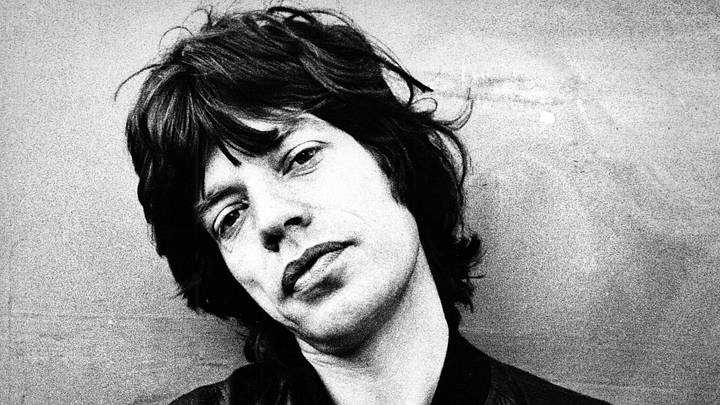
In a classic 1995 interview with Rolling Stone magazine, Rolling Stones frontman Mick Jagger singled out the late 1960s and 70s as the band’s heyday—and namechecked the unparalleled run of albums the band released at that time (namely Beggars Banquet, Let It Bleed, Sticky Fingers, and Exile on Main Street) in particular as comprising some of their best work.
The band was living, writing, and recording in London at the time, and soaking up the vibe of the city and everything it had to offer in the process. “It was a very good period, 1968,” Jagger explained, adding that he was attending the theatre, going out with Marianne Faithfull, and reading and studying poetry and philosophy alongside writing songs. “There was a good feeling in the air. It was a very creative period for everyone.”
This isn’t the only time that the legendary singer and songwriter has commented on his own musical output over the years, however, and in countless interviews and vox pops has routinely named several individual songs that he believes comprise the band’s best (and, conversely, some of their worst).
Four of each are explored here.
MICK JAGGER'S FAVORITE ROLLING STONES SONGS
"GIMME SHELTER"
The opening track to Let It Bleed was, Jagger once explained, “a very moody piece about the world closing in on you a bit.” Written at the height of that late 60s-early 70s heyday, the band called on American gospel and soul singer Merry Clayton to contribute to the vocal; she recorded her searing lines in just two takes. “It’s not the sort of lyric you give everyone, ‘Rape, murder / It’s just a shot away’,” Jagger later recalled of Clayton’s contribution, “but she really got into it, as you can hear on the record. She joins the chorus. It’s been a great live song ever since.”
"WILD HORSES"
One of the most acclaimed and popular tracks from the band’s 1971 album Sticky Fingers, "Wild Horses" began as a melody written by Keith Richards with just the title words attached to it; the rest of the lyrics were left up to Jagger, who—due to having endured some dark and troubled experiences at the time—wrote one of his deepest and most profound tracks. “I like the song,” Jagger told Rolling Stone in 1995. “It’s an example of a pop song. Taking this cliché, ‘wild horses,’ which is awful, really, but making it work without sounding like a cliché when you’re doing it.” As for the lyrics, he had earlier commented in a 1993 interview on how personal the song was, and how profound a period it had come out of. “I was definitely very inside this piece emotionally,” he said. “This is very personal, evocative, and sad. It all sounds rather doomy now, but it was quite a heavy time.”
"I GOT THE BLUES"
An track from 1971’s Sticky Fingers, "I Got the Blues" is, according to Jagger, an example of a slow-tempo song that the band got impeccably right. “It’s really slow,” he explained in a 2015 interview. “Sometimes, when you get really slow tunes like this, it’s hard to keep the tempo—we’re that kind of band; we always speed up things. But this one holds the tempo. It’s kind of wrenching. You can only get that by doing it really slow, and this one comes off.”
"FOOL TO CRY"
Another of the band’s less well-known tracks, "Fool to Cry" is a lilting, country-style ballad taken from the Stones’ 1976 album Black and Blue, and became a Top 10 hit on both sides of the Atlantic in the process. “It’s another of our heart-melting ballads,” Jagger explained in a 1993 interview, singling the track out as one that he liked—although, in typical self-effacing style, adding that he felt it perhaps got “a bit long and waffly at the end.”
MICK JAGGER'S LEAST FAVORITE ROLLING STONES SONGS
"TUMBLING DICE"
It might be a fan favorite—which spent eight weeks at the top of the UK charts and was a Top 10 hit in the US too—but "Tumbling Dice" is far from Jagger’s favorite track. In fact, he’s gone on record to say that the song’s overt references to drug use and infidelity make him cringe. “I don’t really know what people like about it,” he said in 1995. “I don’t think it's our best stuff. I don’t think it has good lyrics. But people seem to really like it, so good for them.”
"LOVING CUP"
An track from 1972’s Exile on Main Street, the rock ballad "Loving Cup" was never a song Mick Jagger had much time for. In a 2003 interview, he explained how they were preparing for a show in Yokohama, Japan, during their Forty Licks world tour when the band’s keyboardist and musical director, Chuck Leavell, suggested they bring "Loving Cup" back to the setlist. “I didn’t want to play the tune,” Jagger explained, “and I said, ‘Chuck, this is going to die a death in Yokohama. I can’t even remember the bloody song, and no one likes it. I've done it loads of times in America; it doesn't go down that well. It’s a very difficult song to sing, and I’m fed up with it.”
As it happens, though, Leavell got his way—and the audience’s reaction to the song made Jagger reassess its popularity. “I gave in and put it in the set-list. Lo and behold, we went out, started the song, and [the crowd] all began applauding… Which just proves how, over time, some of these songs acquire a certain existence, or value, that they never had when they first came out.”
"LET IT LOOSE"
Another track from Exile on Main Street that Jagger is not too fond of, "Let It Loose" is a “very weird, difficult song,” as he told Uncut magazine in 2010. It’s not that he dislikes it as such, though, but more that he doesn’t understand what it’s meant to be about. “I think Keith [Richards, the band’s guitarist] wrote that, actually,” Jagger explained. “I had a whole other set of lyrics to it, but they got lost by the wayside. I don't think that song has any semblance of meaning. It’s one of those rambling songs. I didn’t really understand what it was about after the event.”
"19TH NERVOUS BREAKDOWN"
Another firm favorite among Stones fans, "19th Nervous Breakdown" is, quite simply, “not very good, really,” according to Jagger in a 2003 interview. His personal dislike of the song is borne out by the relatively few times the band has ever performed it live too, with only a mid-two-figures number of performances recorded since the track was released as a single in 1966.
Disclaimer: A previous version of this story reported that Rolling Stones songs “I Got the Blues” and “Loving Cup” were unreleased, which is not the case. We’ve since updated this story to reflect this.