%20%20--%3E%0A%3Csvg%20version%3D%221.1%22%20id%3D%22Layer_1%22%20xmlns%3D%22http%3A%2F%2Fwww.w3.org%2F2000%2Fsvg%22%20xmlns%3Axlink%3D%22http%3A%2F%2Fwww.w3.org%2F1999%2Fxlink%22%20x%3D%220px%22%20y%3D%220px%22%0A%09%20viewBox%3D%220%200%20684.6%2068.1%22%20style%3D%22enable-background%3Anew%200%200%20684.6%2068.1%3B%22%20xml%3Aspace%3D%22preserve%22%3E%0A%3Cg%3E%0A%09%3Cpath%20d%3D%22M444.1%2C29.3h-17.4v14.5h17.4V29.3z%20M36.4%2C68.1l29.3-50.8V0H50.4L32.9%2C36.8L15.5%2C0H0v68.1h16.7V45.8l12.4%2C22.3H36.4z%0A%09%09%20M49.1%2C68.1h16.6V23.4L49.1%2C52.1V68.1z%20M76.6%2C68.1h45V53.8H93.3V41.6h21V27.1h-21V14.8h28.3V0.1h-45V68.1z%20M175.6%2C68.1h17.3v-68%0A%09%09h-16.5v40.3L150%2C0.1h-17.6v68h16.7V27.7L175.6%2C68.1z%20M235.8%2C14.8h15.4V0.1h-47.4v14.7H219v53.2h16.8V14.8z%20M290.3%2C45.9h-17.1%0A%09%09l7.5-15.6h2L290.3%2C45.9z%20M298.7%2C68.1h18l-32.2-68h-5.7l-32%2C68h18l3.3-7.1h27.1L298.7%2C68.1z%20M325.2%2C68.1h46.2V53.8h-29.6V0.1h-16.7%0A%09%09V68.1z%20M423.7%2C14.8h27.2V0.1H407v68h16.7V14.8z%20M462%2C68.1h46.2V53.8h-29.6V0.1H462V68.1z%20M564.8%2C34.1c0%2C10.7-7.2%2C19.2-18.5%2C19.2%0A%09%09c-11.4%2C0-18.5-8.5-18.5-19.2s7.1-19.2%2C18.5-19.2C557.6%2C14.9%2C564.8%2C23.4%2C564.8%2C34.1%20M580.6%2C34.1c0-19-14.2-34-34.3-34%0A%09%09c-20.2%2C0-34.3%2C15-34.3%2C34c0%2C19%2C14.1%2C34%2C34.3%2C34C566.4%2C68.1%2C580.6%2C53.1%2C580.6%2C34.1%20M604.8%2C20.5c0-4.1%2C3.3-6.2%2C6.7-6.2%0A%09%09c4.4%2C0%2C6.6%2C3%2C6.6%2C6.6h14.7C631.8%2C9.1%2C625.1%2C0.1%2C611%2C0.1c-12%2C0-21.7%2C9.3-21.7%2C20.6c0%2C10.9%2C5.9%2C15.9%2C16.7%2C19.8%0A%09%09c5.2%2C1.8%2C11.5%2C3.2%2C11.5%2C8c0%2C3.3-2.4%2C5.5-6.4%2C5.5c-3.6%2C0-6.6-3-6.6-6.7h-15.2c0%2C11.5%2C7.9%2C20.8%2C21.8%2C20.8c12%2C0%2C21.6-9.3%2C21.6-20.6%0A%09%09c0-10-5.3-16.4-16.7-19.8C610.6%2C26.1%2C604.8%2C25.3%2C604.8%2C20.5%20M670%2C20.9h14.7C683.8%2C9.1%2C677.1%2C0.1%2C663%2C0.1c-12%2C0-21.7%2C9.3-21.7%2C20.6%0A%09%09c0%2C10.9%2C5.9%2C15.9%2C16.7%2C19.8c5.2%2C1.8%2C11.5%2C3.2%2C11.5%2C8c0%2C3.3-2.4%2C5.5-6.4%2C5.5c-3.6%2C0-6.6-3-6.6-6.7h-15.2c0%2C11.5%2C7.9%2C20.8%2C21.8%2C20.8%0A%09%09c12%2C0%2C21.6-9.3%2C21.6-20.6c0-10-5.3-16.4-16.7-19.8c-5.4-1.6-11.3-2.4-11.3-7.2c0-4.1%2C3.3-6.2%2C6.7-6.2C667.7%2C14.4%2C670%2C17.3%2C670%2C20.9%0A%09%09%22%2F%3E%0A%3C%2Fg%3E%0A%3C%2Fsvg%3E%0A)

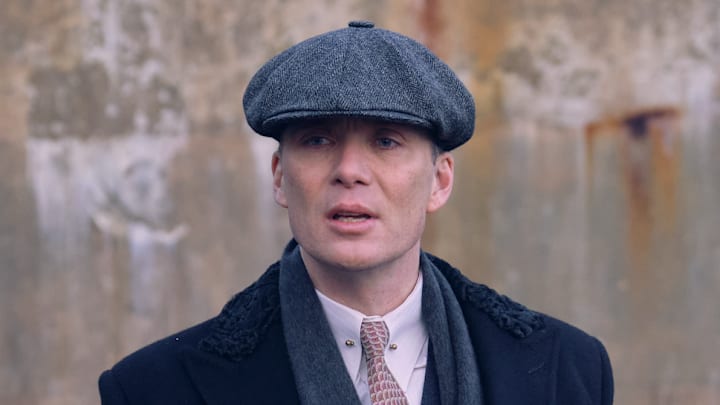
Steven Knight’s Peaky Blinders puts a fictional spin on some very real events. The Peaky Blinders were an actual street gang that operated in Birmingham, England in the late 19th and early 20th centuries. At the time, rapid urbanization had fueled extreme poverty among Britain’s working class, and these conditions created the perfect storm of pressures that culminated in this gang’s origins. Consisting mostly of young people, the Peaky Blinders partook in activities ranging from gambling to robbery, and were known for their violent activities.
The Peaky Blinders weren’t the only gang active in Britain at the time, and they certainly were not the first of their kind. Ahead, read more about the other gangs that roamed the streets of Britain before the Peaky Blinders emerged.
- Manchester’s Scuttling Gangs
- Liverpool's High Rip Gang
- The Forty Elephants Gang
- Birmingham's Cheapside Sloggers
- Glasgow’s “Penny Mobs”
Manchester’s Scuttling Gangs


In the early 1800s, a quickly industrializing Manchester exploded with new warehouses that drew people in from the countryside with their promises of quick money and a good life. Unfortunately, what arose instead were slums, poverty, and disease that resulted in the formation of youth-led street gangs—and the earliest were known as “Scuttling Gangs.” These groups emerged around the 1870s, and mostly consisted of young boys aged 14 to 18. Their names often reflected the areas they lived in—such as the Bengal Tigers, who lived near Bengal Street, and the Meadow Lads, who hailed from Angel Meadow.
Generally, young people were drawn to these gangs because they would often be left alone to wander the slums while their parents worked 12-hour days in the factories. Fights between the gangs sometimes saw hundreds of youths attacking each other at once with weapons ranging from decorated belts to knives. These groups also possessed their own style that included bell-bottomed trousers and haircuts that Peaky Blinders fans might recognize. The gangs began to fizzle out in the late 19th century as more leisure activities, like football clubs and the rise of cinema, gave young men something to do other than terrorize each other in the streets.
Liverpool's High Rip Gang
Around the same time the Peaky Blinders were active in Birmingham, the High Rip Gang was haunting Liverpool. This group of men would often target sailors and dockers at the city’s bustling ports, and were known for their use of extreme violence, which ranged from stabbings to brutal beatings. Their violence was characterized by randomness, and sometimes they would launch an attack without even attempting a robbery first.
Their first known murder is believed to have occurred in January 1884, when a group of five men beat two Spanish sailors with belts; one of them bled out soon after the group fled, and two eighteen-year-olds named Michael M'Lean and Patrick Duggan were hanged soon after for the crime based on dozens of eyewitness statements.
During their reign of terror, the group was known for starting huge riots said to have included up to 2,000 members. They also often marked their skin with 40 lashes to signify their membership. The gang often clashed with their nemeses, the Logwood Gang, which consisted mostly of armed dockers and which may have helped bring about the High Rip Gang’s end.
The Forty Elephants Gang


This gang is a bit distinct from the others on this list—and indeed, from most other gangs to ever torment Britain—because, quite unusually, it consisted only of women. The Forty Elephants Gang was active from around 1870 to 1950, though it may have existed as early as the 1700s, and was centered around a massive and elaborate shoplifting ring. The women, most of whom came from extreme poverty, would dress in furs and costumes in order to steal from department stores located mostly in London’s West End.
Many of these women had connections to the Elephant and Castle Gang, a male gang that operated out of the Elephant and Castle Tavern in Lambeth, an area filled with slums and plagued by poor sanitation and overcrowding. The Forty Elephants consisted of at least 70 women throughout its existence, many of whom were relatives, and its leaders were known as “queens.” The most famous queen, Alice Diamond, elevated the gang’s stature and refined its robbery strategies.
Though violence wasn’t as central to the group as it was to other gangs, members were apparently quite feared, and were known to use hairpins, fists, and razors if their turf was threatened. Many group members ended up in prison, but they also used their winnings to live elaborate lifestyles.
“On the plus side, they threw the liveliest of parties and spent lavishly at pubs, clubs and restaurants,” said researcher Brian McDonald, per The Guardian. "Their lifestyles were in pursuit of those of glamorous movie stars, combined with the decadent living of 1920s aristocratic flapper society. They read of the outrageous behaviour of rich, bright young things and wanted to emulate them.”
This gang is also the subject of a 2025 show called A Thousand Blows created by Peaky Blinders’s Stephen Knight.
Birmingham's Cheapside Sloggers
The Peaky Blinders operated in Birmingham, but another gang that existed just before they emerged were the Cheapside Sloggers. This gang operated around the 1870s through the early 20th century and were led by John Adrian and his second-in-command, James Grinrod. The group was called “sloggers” due to their tendency to use their fists and belts in their fights, and were the area’s most fearsome gang for three decades—until their rivals, the Peaky Blinders took over, according to some sources.
Glasgow’s “Penny Mobs”
Gangs were active in Glasgow as early as the 1870s, when early groups were referred to as “penny mobs” or “keelies,” which translates to “hooligans.” These gangs got their name from the “penny a head” policy gangs had of charging each member a penny to pay necessary court fines.
The rise of these groups can be traced to economic depression combined with Irish immigration to Glasgow’s East End in the 1850s following the Great Famine of 1845 to 1852, which led to rapid population growth and widespread poverty. The groups declined in popularity after the government began imprisoning gang members rather than fining them, but gang activity escalated significantly in Glasgow in the 20th century, culminating in the rise of the infamous Billy Boys, a Protestant sectarian gang that was active—and extremely feared—in the 1920s and ‘30s.