%20%20--%3E%0A%3Csvg%20version%3D%221.1%22%20id%3D%22Layer_1%22%20xmlns%3D%22http%3A%2F%2Fwww.w3.org%2F2000%2Fsvg%22%20xmlns%3Axlink%3D%22http%3A%2F%2Fwww.w3.org%2F1999%2Fxlink%22%20x%3D%220px%22%20y%3D%220px%22%0A%09%20viewBox%3D%220%200%20684.6%2068.1%22%20style%3D%22enable-background%3Anew%200%200%20684.6%2068.1%3B%22%20xml%3Aspace%3D%22preserve%22%3E%0A%3Cg%3E%0A%09%3Cpath%20d%3D%22M444.1%2C29.3h-17.4v14.5h17.4V29.3z%20M36.4%2C68.1l29.3-50.8V0H50.4L32.9%2C36.8L15.5%2C0H0v68.1h16.7V45.8l12.4%2C22.3H36.4z%0A%09%09%20M49.1%2C68.1h16.6V23.4L49.1%2C52.1V68.1z%20M76.6%2C68.1h45V53.8H93.3V41.6h21V27.1h-21V14.8h28.3V0.1h-45V68.1z%20M175.6%2C68.1h17.3v-68%0A%09%09h-16.5v40.3L150%2C0.1h-17.6v68h16.7V27.7L175.6%2C68.1z%20M235.8%2C14.8h15.4V0.1h-47.4v14.7H219v53.2h16.8V14.8z%20M290.3%2C45.9h-17.1%0A%09%09l7.5-15.6h2L290.3%2C45.9z%20M298.7%2C68.1h18l-32.2-68h-5.7l-32%2C68h18l3.3-7.1h27.1L298.7%2C68.1z%20M325.2%2C68.1h46.2V53.8h-29.6V0.1h-16.7%0A%09%09V68.1z%20M423.7%2C14.8h27.2V0.1H407v68h16.7V14.8z%20M462%2C68.1h46.2V53.8h-29.6V0.1H462V68.1z%20M564.8%2C34.1c0%2C10.7-7.2%2C19.2-18.5%2C19.2%0A%09%09c-11.4%2C0-18.5-8.5-18.5-19.2s7.1-19.2%2C18.5-19.2C557.6%2C14.9%2C564.8%2C23.4%2C564.8%2C34.1%20M580.6%2C34.1c0-19-14.2-34-34.3-34%0A%09%09c-20.2%2C0-34.3%2C15-34.3%2C34c0%2C19%2C14.1%2C34%2C34.3%2C34C566.4%2C68.1%2C580.6%2C53.1%2C580.6%2C34.1%20M604.8%2C20.5c0-4.1%2C3.3-6.2%2C6.7-6.2%0A%09%09c4.4%2C0%2C6.6%2C3%2C6.6%2C6.6h14.7C631.8%2C9.1%2C625.1%2C0.1%2C611%2C0.1c-12%2C0-21.7%2C9.3-21.7%2C20.6c0%2C10.9%2C5.9%2C15.9%2C16.7%2C19.8%0A%09%09c5.2%2C1.8%2C11.5%2C3.2%2C11.5%2C8c0%2C3.3-2.4%2C5.5-6.4%2C5.5c-3.6%2C0-6.6-3-6.6-6.7h-15.2c0%2C11.5%2C7.9%2C20.8%2C21.8%2C20.8c12%2C0%2C21.6-9.3%2C21.6-20.6%0A%09%09c0-10-5.3-16.4-16.7-19.8C610.6%2C26.1%2C604.8%2C25.3%2C604.8%2C20.5%20M670%2C20.9h14.7C683.8%2C9.1%2C677.1%2C0.1%2C663%2C0.1c-12%2C0-21.7%2C9.3-21.7%2C20.6%0A%09%09c0%2C10.9%2C5.9%2C15.9%2C16.7%2C19.8c5.2%2C1.8%2C11.5%2C3.2%2C11.5%2C8c0%2C3.3-2.4%2C5.5-6.4%2C5.5c-3.6%2C0-6.6-3-6.6-6.7h-15.2c0%2C11.5%2C7.9%2C20.8%2C21.8%2C20.8%0A%09%09c12%2C0%2C21.6-9.3%2C21.6-20.6c0-10-5.3-16.4-16.7-19.8c-5.4-1.6-11.3-2.4-11.3-7.2c0-4.1%2C3.3-6.2%2C6.7-6.2C667.7%2C14.4%2C670%2C17.3%2C670%2C20.9%0A%09%09%22%2F%3E%0A%3C%2Fg%3E%0A%3C%2Fsvg%3E%0A)

Jane Austen published Pride and Prejudice in 1813, unaware that her novel would inspire an extensive variety of adaptations that would persist well into the 21st century. While enthusiasts continue to argue over the “best” Mr. Darcy, Rotten Tomatoes has made up its mind, most ardently.
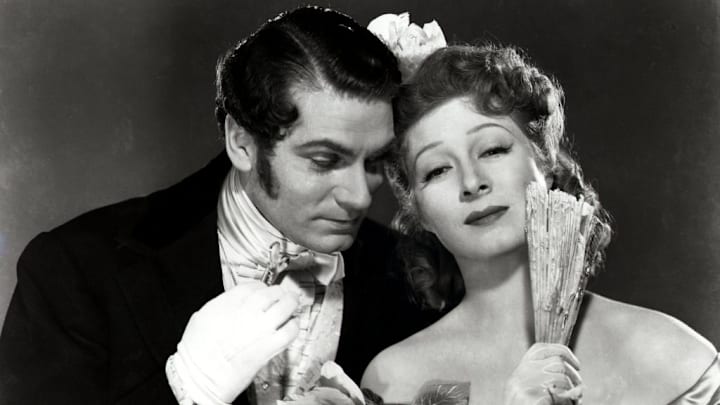
According to Rotten Tomatoes, the 1940 Hollywood adaptation stands far above the Oscar-nominated 2005 film and the beloved BBC series, earning the highest rating by far.
Here's how the most popular adaptations rank, and how closely each follows the classic novel.
PRIDE AND PREJUDICE (1940)
Rotten Tomatoes Tomatometer: 100%
Starring Greer Garson as Elizabeth Bennet and Laurence Oliver as Mr. Darcy, MGM'sblack-and-white adaptation interprets Austen like a romantic comedy. The costume choices are subsequent to the Regency era, dressing the Bennet sisters in enormous sleeves and dramatic antebellum-inspired silhouettes. While the historical accuracy is debatable, the entertainment value is untouchable, at least among Rotten Tomatoes critics.
The film preserves the novel’s central structure: Elizabeth's prejudice against Darcy after his slight at the Meryton assembly, Darcy's disastrous first proposal, and the eventual realization that both parties have badly misjudged each other. But it softens some of Austen's sharper social satire. The financial uncertainty of the Bennet family feels less dire, and certain characters, particularly Lady Catherine, are modified to smooth the way for romance. There's less irony and more Hollywood sparkle, a clear reflection of Tinseltown in the 1940s.
PRIDE AND PREJUDICE (1995 BBC SERIES)
Rotten Tomatoes Tomatometer: 88%
BBC's six-episode adaptation is a full literary immersion into the world of Austen's Pride and Prejudice. With nearly five hours to binge, the series leaves time for the novel's subplots to flourish: Mr. Collin's uncomfortable proposal, Charlotte Lucas's convenient marriage, Lydia's scandalous elopement, and the simmering class tensions that drive Mr. Darcy's constant internal conflict.
Jennifer Ehle’s Elizabeth is quick-witted, observant, and unmistakably intelligent, perfectly capturing the spirit of Austen’s heroine. Colin Firth’s Darcy transforms from a reserved aristocrat to a quietly passionate suitor, coming to a head in the now-iconic lake scene.
With ample screen time, the series mirrors the novel’s structure, preserving Austen’s themes of reputation, inheritance, and the economic realities women faced in 19th-century England.
PRIDE & PREJUDICE (2005 FILM)
Rotten Tomatoes Tomatometer: 87%
Joe Wright's adaptation trims Austen's intricate plot into a brisk, emotionally charged feature film. Kiera Knightley plays Elizabeth with youthful defiance, while Matthew Macfadyen's Darcy is less cold and more socially awkward.
What the film lacks in subplots and secondary characters, it makes up for with an immersive setting. Muddy hems, candlelit interiors, and the rain-soaked proposal scene heighten the romantic tension, diverging slightly from Austen’s tone. As Darcy strides across the misty field at sunrise, the film delivers one of the most memorable cinematic spectacles of the 21st century, demanding an emotional response from the audience.
THE VERDICT

Ultimately, Rotten Tomatoes awards the crown to the 1940's studio classic with a score of 100%, followed by the 1995 BBC series at 88%, and the 2005 film at 87%.
If time has proved anything, it's that Austen's tale of misjudgment and moral growth is remarkably adaptable. It can survive hoop skirts from the wrong decade, a spontaneous lake swim, and a windswept confession at dawn, and still win over viewers worldwide.
In the end, Pride and Prejudice endures because its central theme is timeless: how easily humanity confuses pride with self-assurance and mistakes prejudice for wisdom. Rotten Tomatoes may have declared a winner, but similar to Elizabeth Bennet herself, viewers will likely continue to revise their opinions for decades to come.