%20%20--%3E%0A%3Csvg%20version%3D%221.1%22%20id%3D%22Layer_1%22%20xmlns%3D%22http%3A%2F%2Fwww.w3.org%2F2000%2Fsvg%22%20xmlns%3Axlink%3D%22http%3A%2F%2Fwww.w3.org%2F1999%2Fxlink%22%20x%3D%220px%22%20y%3D%220px%22%0A%09%20viewBox%3D%220%200%20684.6%2068.1%22%20style%3D%22enable-background%3Anew%200%200%20684.6%2068.1%3B%22%20xml%3Aspace%3D%22preserve%22%3E%0A%3Cg%3E%0A%09%3Cpath%20d%3D%22M444.1%2C29.3h-17.4v14.5h17.4V29.3z%20M36.4%2C68.1l29.3-50.8V0H50.4L32.9%2C36.8L15.5%2C0H0v68.1h16.7V45.8l12.4%2C22.3H36.4z%0A%09%09%20M49.1%2C68.1h16.6V23.4L49.1%2C52.1V68.1z%20M76.6%2C68.1h45V53.8H93.3V41.6h21V27.1h-21V14.8h28.3V0.1h-45V68.1z%20M175.6%2C68.1h17.3v-68%0A%09%09h-16.5v40.3L150%2C0.1h-17.6v68h16.7V27.7L175.6%2C68.1z%20M235.8%2C14.8h15.4V0.1h-47.4v14.7H219v53.2h16.8V14.8z%20M290.3%2C45.9h-17.1%0A%09%09l7.5-15.6h2L290.3%2C45.9z%20M298.7%2C68.1h18l-32.2-68h-5.7l-32%2C68h18l3.3-7.1h27.1L298.7%2C68.1z%20M325.2%2C68.1h46.2V53.8h-29.6V0.1h-16.7%0A%09%09V68.1z%20M423.7%2C14.8h27.2V0.1H407v68h16.7V14.8z%20M462%2C68.1h46.2V53.8h-29.6V0.1H462V68.1z%20M564.8%2C34.1c0%2C10.7-7.2%2C19.2-18.5%2C19.2%0A%09%09c-11.4%2C0-18.5-8.5-18.5-19.2s7.1-19.2%2C18.5-19.2C557.6%2C14.9%2C564.8%2C23.4%2C564.8%2C34.1%20M580.6%2C34.1c0-19-14.2-34-34.3-34%0A%09%09c-20.2%2C0-34.3%2C15-34.3%2C34c0%2C19%2C14.1%2C34%2C34.3%2C34C566.4%2C68.1%2C580.6%2C53.1%2C580.6%2C34.1%20M604.8%2C20.5c0-4.1%2C3.3-6.2%2C6.7-6.2%0A%09%09c4.4%2C0%2C6.6%2C3%2C6.6%2C6.6h14.7C631.8%2C9.1%2C625.1%2C0.1%2C611%2C0.1c-12%2C0-21.7%2C9.3-21.7%2C20.6c0%2C10.9%2C5.9%2C15.9%2C16.7%2C19.8%0A%09%09c5.2%2C1.8%2C11.5%2C3.2%2C11.5%2C8c0%2C3.3-2.4%2C5.5-6.4%2C5.5c-3.6%2C0-6.6-3-6.6-6.7h-15.2c0%2C11.5%2C7.9%2C20.8%2C21.8%2C20.8c12%2C0%2C21.6-9.3%2C21.6-20.6%0A%09%09c0-10-5.3-16.4-16.7-19.8C610.6%2C26.1%2C604.8%2C25.3%2C604.8%2C20.5%20M670%2C20.9h14.7C683.8%2C9.1%2C677.1%2C0.1%2C663%2C0.1c-12%2C0-21.7%2C9.3-21.7%2C20.6%0A%09%09c0%2C10.9%2C5.9%2C15.9%2C16.7%2C19.8c5.2%2C1.8%2C11.5%2C3.2%2C11.5%2C8c0%2C3.3-2.4%2C5.5-6.4%2C5.5c-3.6%2C0-6.6-3-6.6-6.7h-15.2c0%2C11.5%2C7.9%2C20.8%2C21.8%2C20.8%0A%09%09c12%2C0%2C21.6-9.3%2C21.6-20.6c0-10-5.3-16.4-16.7-19.8c-5.4-1.6-11.3-2.4-11.3-7.2c0-4.1%2C3.3-6.2%2C6.7-6.2C667.7%2C14.4%2C670%2C17.3%2C670%2C20.9%0A%09%09%22%2F%3E%0A%3C%2Fg%3E%0A%3C%2Fsvg%3E%0A)

Every decade has its most popular toys, from stuffed animals to action figures and dolls. Some that were in high demand in the 1980s still continue to be sold and have even been the subject of museum exhibitions. However, others have gradually fallen into obscurity.
Let's take a nostalgic look back at some of the forgotten toys kids hoped to find under the Christmas tree 50 years ago.
Garfield Toy Phones

When a cartoon character takes off in popularity, toys have frequently been made in response to this enthusiasm. An example of this is a line of toy phones themed around Garfield the cartoon cat, who was first created in comic strip form in 1978. His popularity grew and eventually transitioned into other forms of media, which included Garfield toys. While Garfield plushies are still made today, one shorter-lived toy was Garfield-shaped phones for kids.
A bizarre footnote to this saga concerns the fact that for 35 years Garfield phones kept washing up on a beach in France, long after they stopped being made. It eventually turned out they were from a lost shipping container, and the phones gradually escaped over time.
The Infaceables
Action figures are enduringly popular toys for kids, with many successful examples produced over the past few decades. However, not every line has continued to this day. One example is the case of the 1980s toys known as the Infaceables, whose defining feature was that they could be changed from animal to human and back again by using a vacuum device on the face of the figure, the feature that gave them their name.
They were manufactured by the Galoob company, who found success with a number of other toys during the 1980s. However, the Infaceables would not be one of their lasting toys, and they have been very much a thing of the past. One of the reasons their status has faded is because the materials they were made with were not very durable and therefore less intact.
Keypers
Keypers were a colorful line of toys from the 1980s whose name evoked the expression “finders keepers” because an important element of their design was the ability to keep treasured possessions within them. Many were designed in the style of creatures like snails or swans, with compartments in the “shell” and “wings” areas where someone could hide things. Keypers were also made in both grown and child forms: the adult Keypers had tougher shells, while the babies were made of softer plastic.
Keypers are no longer made today, but along with a number of other toys which have ceased to be manufactured, they have become coveted items for some toy collectors.
Koosas
Koosas were a spin-off from the extremely popular line of Cabbage Patch Kids dolls. Koosas were animal dolls and were designed to be “pets” for the Cabbage Patch Kids, in the same way that a real child might have a pet animal. They were produced during the mid-1980s, but unlike the line they were designed to support, they did not last long. There were also safety concerns raised, including the potential for the Koosas’ collars to be hazardous to kids.
Today, while Cabbage Patch dolls themselves are still known, their animal offshoots have largely been confined to toy history.
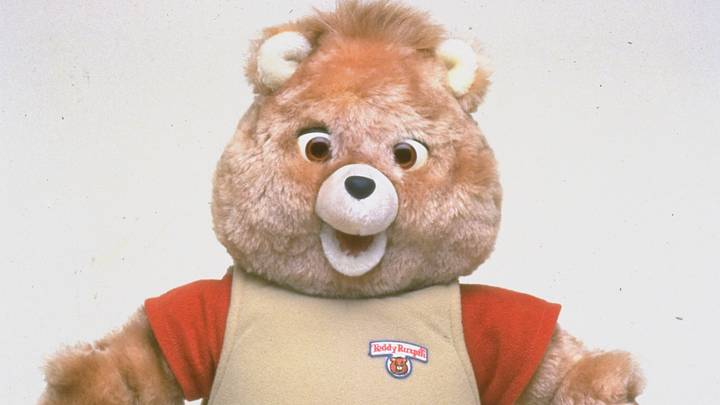
Teddy Ruxpin

Teddy bears have been a popular toy for children since the early 20th century, and there have been many different forms created over the years.
Teddy Ruxpin was designed to combine a traditional teddy bear with storytelling, bringing together two things children liked. This was done by building a cassette player into the teddy’s back, which could then play back the stories on tape. Teddy Ruxpin also had a movable mouth and eyes to add to the illusion that the bear was really telling these stories. At one point, he was so popular he had his own animated series, indicating how even toys that attain high levels of fame can still eventually fade from popular consciousness.