%20%20--%3E%0A%3Csvg%20version%3D%221.1%22%20id%3D%22Layer_1%22%20xmlns%3D%22http%3A%2F%2Fwww.w3.org%2F2000%2Fsvg%22%20xmlns%3Axlink%3D%22http%3A%2F%2Fwww.w3.org%2F1999%2Fxlink%22%20x%3D%220px%22%20y%3D%220px%22%0A%09%20viewBox%3D%220%200%20684.6%2068.1%22%20style%3D%22enable-background%3Anew%200%200%20684.6%2068.1%3B%22%20xml%3Aspace%3D%22preserve%22%3E%0A%3Cg%3E%0A%09%3Cpath%20d%3D%22M444.1%2C29.3h-17.4v14.5h17.4V29.3z%20M36.4%2C68.1l29.3-50.8V0H50.4L32.9%2C36.8L15.5%2C0H0v68.1h16.7V45.8l12.4%2C22.3H36.4z%0A%09%09%20M49.1%2C68.1h16.6V23.4L49.1%2C52.1V68.1z%20M76.6%2C68.1h45V53.8H93.3V41.6h21V27.1h-21V14.8h28.3V0.1h-45V68.1z%20M175.6%2C68.1h17.3v-68%0A%09%09h-16.5v40.3L150%2C0.1h-17.6v68h16.7V27.7L175.6%2C68.1z%20M235.8%2C14.8h15.4V0.1h-47.4v14.7H219v53.2h16.8V14.8z%20M290.3%2C45.9h-17.1%0A%09%09l7.5-15.6h2L290.3%2C45.9z%20M298.7%2C68.1h18l-32.2-68h-5.7l-32%2C68h18l3.3-7.1h27.1L298.7%2C68.1z%20M325.2%2C68.1h46.2V53.8h-29.6V0.1h-16.7%0A%09%09V68.1z%20M423.7%2C14.8h27.2V0.1H407v68h16.7V14.8z%20M462%2C68.1h46.2V53.8h-29.6V0.1H462V68.1z%20M564.8%2C34.1c0%2C10.7-7.2%2C19.2-18.5%2C19.2%0A%09%09c-11.4%2C0-18.5-8.5-18.5-19.2s7.1-19.2%2C18.5-19.2C557.6%2C14.9%2C564.8%2C23.4%2C564.8%2C34.1%20M580.6%2C34.1c0-19-14.2-34-34.3-34%0A%09%09c-20.2%2C0-34.3%2C15-34.3%2C34c0%2C19%2C14.1%2C34%2C34.3%2C34C566.4%2C68.1%2C580.6%2C53.1%2C580.6%2C34.1%20M604.8%2C20.5c0-4.1%2C3.3-6.2%2C6.7-6.2%0A%09%09c4.4%2C0%2C6.6%2C3%2C6.6%2C6.6h14.7C631.8%2C9.1%2C625.1%2C0.1%2C611%2C0.1c-12%2C0-21.7%2C9.3-21.7%2C20.6c0%2C10.9%2C5.9%2C15.9%2C16.7%2C19.8%0A%09%09c5.2%2C1.8%2C11.5%2C3.2%2C11.5%2C8c0%2C3.3-2.4%2C5.5-6.4%2C5.5c-3.6%2C0-6.6-3-6.6-6.7h-15.2c0%2C11.5%2C7.9%2C20.8%2C21.8%2C20.8c12%2C0%2C21.6-9.3%2C21.6-20.6%0A%09%09c0-10-5.3-16.4-16.7-19.8C610.6%2C26.1%2C604.8%2C25.3%2C604.8%2C20.5%20M670%2C20.9h14.7C683.8%2C9.1%2C677.1%2C0.1%2C663%2C0.1c-12%2C0-21.7%2C9.3-21.7%2C20.6%0A%09%09c0%2C10.9%2C5.9%2C15.9%2C16.7%2C19.8c5.2%2C1.8%2C11.5%2C3.2%2C11.5%2C8c0%2C3.3-2.4%2C5.5-6.4%2C5.5c-3.6%2C0-6.6-3-6.6-6.7h-15.2c0%2C11.5%2C7.9%2C20.8%2C21.8%2C20.8%0A%09%09c12%2C0%2C21.6-9.3%2C21.6-20.6c0-10-5.3-16.4-16.7-19.8c-5.4-1.6-11.3-2.4-11.3-7.2c0-4.1%2C3.3-6.2%2C6.7-6.2C667.7%2C14.4%2C670%2C17.3%2C670%2C20.9%0A%09%09%22%2F%3E%0A%3C%2Fg%3E%0A%3C%2Fsvg%3E%0A)

In Disney's 1977 film Pete's Dragon, Mickey Rooney's character runs around singing, "A dragon! A dragon! I swear I saw a dragon!" As the town drunk, however, everyone laughs it off, which is likely what many of us would do today if someone claimed a dragon sighting. But there was a time when the existence of dragons wasn't in question, and even prominent leaders and explorers claimed to have seen them.
Legends of dragons were given credibility when historical figures added their firsthand accounts to the tales. People sincerely believed that the winged lizards existed because of the trustworthy nature of these figures. Whether they mistook another creature for the mythical beasts, or embellished their stories for attention, these historical figures all claimed to have seen dragons.

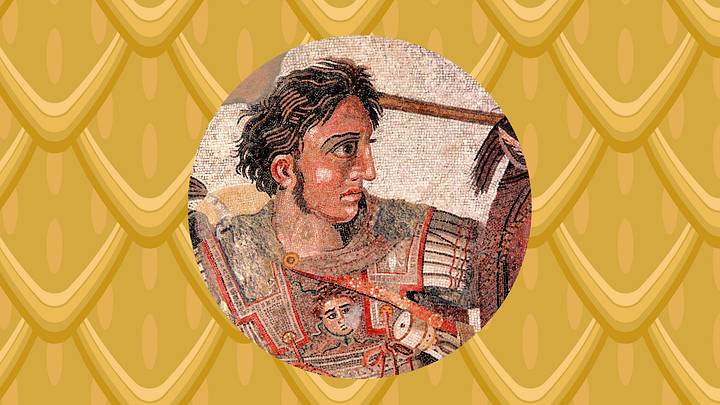
Alexander the Great
King Alexander III of Macedon, also known as Alexander the Great, was said to have encountered a dragon while on his military campaign through India in 330 BCE.
The only existing account we have is from De Natura Animalium (On the Nature of Animals) by Claudius Aelianus, but it describes how Alexander and his men heard a great hissing from a cave. What was visible of the dragon was estimated to be over 100 feet long. The Indian people revered the dragon and begged Alexander not to kill it, so he moved on, but allegedly told the story to his people once home.

Pliny the Elder
Pliny the Elder was an ancient Roman historian credited with authoring one of the first encyclopedias, Natural History, in 77 CE. He would die just two years later of smoke inhalation from Mt. Vesuvius.
But in his eighth book in Natural History, Pliny described dragons in India and Ethiopia. He claimed these dragons were enemies of elephants, and he wrote of a fight he witnessed between the creatures. The dragon left the elephant fatally wounded, but the elephant collapsed on the dragon and killed it.

Herodotus
Called the "Father of History" for his works The Histories, Greek historian Herodotus stated that during his travels to Arabia, he saw a massive boneyard of "winged serpents." In the second book of The Histories, titled Euterpe, he also described these serpents "like that of a water snake; and it has wings not feathered but most nearly resembling the wings of a bat."
Herodotus was writing about the wars between the Persians and the Greeks of the 400s BCE, but these passing mentions about dragons fueled the idea of their existence for millennia.

Marco Polo
Marco Polo was a 13th-century explorer famous for documenting the sights and wonders of his travels through ancient Asia. In his book, The Travels of Marco Polo, he claimed to have seen snakes and serpents that had two legs and were about 50 feet in length. The eyes of these creatures were "larger than a loaf" of bread and their jaws were so wide they could swallow a man. Modern skeptics say that Polo saw crocodiles and tweaked their description slightly to seem more dragon-like.

Conrad Gesner
Conrad Gesner has four different spellings of his name, including "Konrad" and "Gessner," but they all refer to the Swiss physician and natural historian of the 1500s.
In his book Historiae animalium, Gesner tried to separate animals and plants into two categories: myth and fact. He listed dragons as distinctly factual beings, though scholars today believe he was describing snakes but using biblical scripture to elaborate on the creatures.