%20%20--%3E%0A%3Csvg%20version%3D%221.1%22%20id%3D%22Layer_1%22%20xmlns%3D%22http%3A%2F%2Fwww.w3.org%2F2000%2Fsvg%22%20xmlns%3Axlink%3D%22http%3A%2F%2Fwww.w3.org%2F1999%2Fxlink%22%20x%3D%220px%22%20y%3D%220px%22%0A%09%20viewBox%3D%220%200%20684.6%2068.1%22%20style%3D%22enable-background%3Anew%200%200%20684.6%2068.1%3B%22%20xml%3Aspace%3D%22preserve%22%3E%0A%3Cg%3E%0A%09%3Cpath%20d%3D%22M444.1%2C29.3h-17.4v14.5h17.4V29.3z%20M36.4%2C68.1l29.3-50.8V0H50.4L32.9%2C36.8L15.5%2C0H0v68.1h16.7V45.8l12.4%2C22.3H36.4z%0A%09%09%20M49.1%2C68.1h16.6V23.4L49.1%2C52.1V68.1z%20M76.6%2C68.1h45V53.8H93.3V41.6h21V27.1h-21V14.8h28.3V0.1h-45V68.1z%20M175.6%2C68.1h17.3v-68%0A%09%09h-16.5v40.3L150%2C0.1h-17.6v68h16.7V27.7L175.6%2C68.1z%20M235.8%2C14.8h15.4V0.1h-47.4v14.7H219v53.2h16.8V14.8z%20M290.3%2C45.9h-17.1%0A%09%09l7.5-15.6h2L290.3%2C45.9z%20M298.7%2C68.1h18l-32.2-68h-5.7l-32%2C68h18l3.3-7.1h27.1L298.7%2C68.1z%20M325.2%2C68.1h46.2V53.8h-29.6V0.1h-16.7%0A%09%09V68.1z%20M423.7%2C14.8h27.2V0.1H407v68h16.7V14.8z%20M462%2C68.1h46.2V53.8h-29.6V0.1H462V68.1z%20M564.8%2C34.1c0%2C10.7-7.2%2C19.2-18.5%2C19.2%0A%09%09c-11.4%2C0-18.5-8.5-18.5-19.2s7.1-19.2%2C18.5-19.2C557.6%2C14.9%2C564.8%2C23.4%2C564.8%2C34.1%20M580.6%2C34.1c0-19-14.2-34-34.3-34%0A%09%09c-20.2%2C0-34.3%2C15-34.3%2C34c0%2C19%2C14.1%2C34%2C34.3%2C34C566.4%2C68.1%2C580.6%2C53.1%2C580.6%2C34.1%20M604.8%2C20.5c0-4.1%2C3.3-6.2%2C6.7-6.2%0A%09%09c4.4%2C0%2C6.6%2C3%2C6.6%2C6.6h14.7C631.8%2C9.1%2C625.1%2C0.1%2C611%2C0.1c-12%2C0-21.7%2C9.3-21.7%2C20.6c0%2C10.9%2C5.9%2C15.9%2C16.7%2C19.8%0A%09%09c5.2%2C1.8%2C11.5%2C3.2%2C11.5%2C8c0%2C3.3-2.4%2C5.5-6.4%2C5.5c-3.6%2C0-6.6-3-6.6-6.7h-15.2c0%2C11.5%2C7.9%2C20.8%2C21.8%2C20.8c12%2C0%2C21.6-9.3%2C21.6-20.6%0A%09%09c0-10-5.3-16.4-16.7-19.8C610.6%2C26.1%2C604.8%2C25.3%2C604.8%2C20.5%20M670%2C20.9h14.7C683.8%2C9.1%2C677.1%2C0.1%2C663%2C0.1c-12%2C0-21.7%2C9.3-21.7%2C20.6%0A%09%09c0%2C10.9%2C5.9%2C15.9%2C16.7%2C19.8c5.2%2C1.8%2C11.5%2C3.2%2C11.5%2C8c0%2C3.3-2.4%2C5.5-6.4%2C5.5c-3.6%2C0-6.6-3-6.6-6.7h-15.2c0%2C11.5%2C7.9%2C20.8%2C21.8%2C20.8%0A%09%09c12%2C0%2C21.6-9.3%2C21.6-20.6c0-10-5.3-16.4-16.7-19.8c-5.4-1.6-11.3-2.4-11.3-7.2c0-4.1%2C3.3-6.2%2C6.7-6.2C667.7%2C14.4%2C670%2C17.3%2C670%2C20.9%0A%09%09%22%2F%3E%0A%3C%2Fg%3E%0A%3C%2Fsvg%3E%0A)

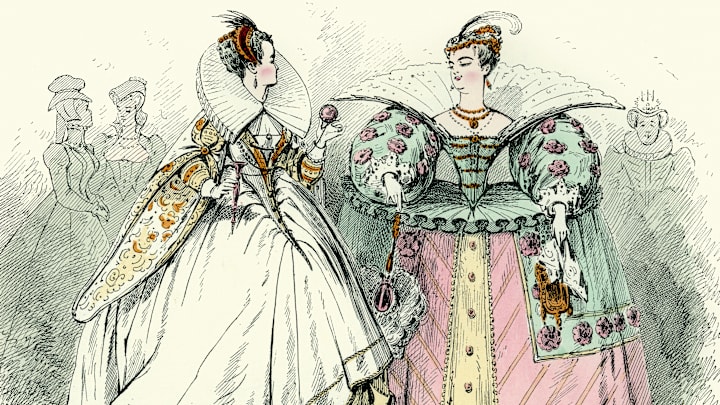
With the rise of organic beauty products, ethical testing, and the banning of chemicals proven to harm our health, it’s easy to assume that beauty has always come at a cost. For beauty obsessives of the past, that cost was sometimes deadly.
Long before vitamin gummies and collagen powders, Sears sold arsenic wafers as a daily beauty supplement. Between the mid-19th and early 20th centuries, some of the most dangerous beauty hacks in history were normalized, advertised, and widely consumed.
Elegance, youth, and thinness were the ultimate currency of womanhood at the time. A glowing complexion could be achieved using uranium-based face powder. Morning breath could be “freshened” with a urine mouthwash rinse. Wanted to lose weight? People used to swallow tapeworm eggs and let the parasite do the work.
- Lead Makeup
- Corsets
- Stiff Neckties
- Foot Binding
- Tapeworm Diet
- Urine Mouthwash
- Crinoline Skirts
- Radioactive Face Cream
- Mercury Hats
- Nightshade Eyedrops
Lead Makeup
Across cultures and centuries, from Japanese Geisha to European aristocracy, pale skin meant beauty and status. A tanned skin and freckled face meant that someone was a laborer, working outdoors and therefore socially inferior. Men and women raced to achieve that pale skin at any cost, using pastes and powders to erase any hint of color. The main ingredient in all those lotions, at a time, was lead.
Lead-based products produced the desired porcelain skin, but the effects were severe. The consumer suffered from skin itching, hair loss, and scarring. These side effects drove those men and women to apply even more makeup to conceal the damage. Over time, repeated application of lead and inhaling it led to full-blown lead poisoning. Nervous system damage, paralysis, cognitive decline, and, in extreme cases, death were not uncommon. Unfortunately, lead is still widely used in beauty products to this day.
Corsets

The much-prized hourglass figure was an obsession in the late 19th century, and corsets were mass-produced to achieve the golden standard of waist size. Women would prepare themselves for hours and often required extra assistance to lace their corsets as tightly as possible to trim down their waists with zero dieting or exercise. For these women, it meant fainting more often, trouble breathing, and sometimes broken ribs and displaced organs—all at the price of an 18-inch waist.
Stiff Neckties

Women weren’t the only victims of beauty and fashion trends in the early 19th century. Neckties came in the form of detachable collars back then, attached to shirts around the neck with metal studs to give a neat look. The shape of the collar would fit tightly around the neck.
Under normal circumstances, it was constrictive to breathe, but in the 19th century, the stiff collar earned the nickname “the silent father killer” when drunken fathers wearing those collars fell forward, the rigid collar pressed on their throat, blocking the airflow, causing them to suffocate and die.
Foot Binding
An 18-inch waist may have been the ideal size and shape in Europe, but feet met a similar fate in China. During the Song Dynasty, feet—or bound feet—were markers of elegance and wealth. The ideal candidate was a young girl whose soft tissue and bones could be shaped and molded. The binding method involved folding the toes (excluding the big toe) inward and binding them together into a compact shape.
The feet were then forced into molded shoes to create an arch, growing into them over time to achieve the desired aesthetic. Beyond the eyesore, this practice caused young girls to suffer from infections, gangrene, and feet left permanently damaged.
Tapeworm Diet
A healthy diet and exercise routine were not a part of the 20th-century lingo when one felt conscious of their weight. Women were advised to consume tapeworm and their eggs in the form of tablets, causing the tapeworm to grow 12 inches long to make the person drop pounds of weight with no effort. When the magic number appeared, and the desired weight was achieved, an anti-parasitic pill ended the nightmare. Though the results were guaranteed, the real price included brain cysts, meningitis, and epilepsy. Beauty, then, they learned, could literally eat you alive.
Urine Mouthwash

Ammonia is used in many modern detergents and cleansers for its odor-neutralizing and whitening properties. Ammonia also exists in large quantities in human and animal urine. So much so that the Romans and Greeks used it to deodorize their morning breath, adding it to pastes to create a DIY mouthwash and toothpaste hybrid. Thankfully, the process was long, as the urine had to be stored until the desired amount of ammonia was produced. Once demand ceased, the practice was abandoned by the late 1700s.
Crinoline Skirts

Marie Antoinette was an unwitting catalyst for a series of accidents and deaths. Her famous petticoat skirt threw young women into a fashion frenzy. Women would attend parties and occupy large spaces, causing a rampage. Crinoline skirts may not have altered the shape of feet or waists, but the material was highly inflammable. Women went to work wearing these flammable skirts and often caught in machinery, dragged under cartwheels, and met their eventual fate.
The most tragic accident was the death of Oscar Wilde’s half-sisters during a ballroom party, when their skirts caught fire from a candle.
Radioactive Face Cream
When you flipped through 20th century beauty flyers, it wasn’t uncommon to find an ad of uranium based skin cream. Like its ammonia counterpart, after uranium was discovered by French scientists, the positive short-term effects were radiant and glowing skin. The long-term effect? Radiation poisoning and Cancer.
Mercury Hats

Here’s another fashion trend that persisted among men until its official ban before World War II. While the shape and style of hats came and went, one element remained: mercury. Mercury was an essential ingredient in hat-making, giving the felt its signature feel and look. The fumes that seeped from the material intoxicated wearers, beginning innocently enough with tremors, loose teeth, and imbalance.
In severe cases, hatters suffered memory loss, depression, and hallucinations due to mercury poisoning, giving rise to the “mad as a hatter” phrase. The ban on mercury in hat-making was later enforced because it was needed for detonators.
Nightshade Eyedrops

A dilated pupil could be a sign of attraction, and to Roman women, it was a mark of beauty that came at a deadly cost. The poisonous nightshade plant was distilled into eyedrops and sold to beauty addicts who wanted that dreamy, seductive look.
The process was precise: just the right amount would dilate the pupils and give the illusion of enchantment, but an extra dose of these highly priced drops could leave the victim blind. Accidental ingestion, or even spilling the drops, brought hallucinations so vivid that the victim often appeared insane to others.
For those who were unaware, even a small error could be fatal. Women took the risk willingly, chasing a look that made them appear otherworldly, even as the poison silently worked against them. Nightshade was beauty turned weapon, and Roman women paid for it in trembling hands, damaged eyes, and sometimes death.