%20%20--%3E%0A%3Csvg%20version%3D%221.1%22%20id%3D%22Layer_1%22%20xmlns%3D%22http%3A%2F%2Fwww.w3.org%2F2000%2Fsvg%22%20xmlns%3Axlink%3D%22http%3A%2F%2Fwww.w3.org%2F1999%2Fxlink%22%20x%3D%220px%22%20y%3D%220px%22%0A%09%20viewBox%3D%220%200%20684.6%2068.1%22%20style%3D%22enable-background%3Anew%200%200%20684.6%2068.1%3B%22%20xml%3Aspace%3D%22preserve%22%3E%0A%3Cg%3E%0A%09%3Cpath%20d%3D%22M444.1%2C29.3h-17.4v14.5h17.4V29.3z%20M36.4%2C68.1l29.3-50.8V0H50.4L32.9%2C36.8L15.5%2C0H0v68.1h16.7V45.8l12.4%2C22.3H36.4z%0A%09%09%20M49.1%2C68.1h16.6V23.4L49.1%2C52.1V68.1z%20M76.6%2C68.1h45V53.8H93.3V41.6h21V27.1h-21V14.8h28.3V0.1h-45V68.1z%20M175.6%2C68.1h17.3v-68%0A%09%09h-16.5v40.3L150%2C0.1h-17.6v68h16.7V27.7L175.6%2C68.1z%20M235.8%2C14.8h15.4V0.1h-47.4v14.7H219v53.2h16.8V14.8z%20M290.3%2C45.9h-17.1%0A%09%09l7.5-15.6h2L290.3%2C45.9z%20M298.7%2C68.1h18l-32.2-68h-5.7l-32%2C68h18l3.3-7.1h27.1L298.7%2C68.1z%20M325.2%2C68.1h46.2V53.8h-29.6V0.1h-16.7%0A%09%09V68.1z%20M423.7%2C14.8h27.2V0.1H407v68h16.7V14.8z%20M462%2C68.1h46.2V53.8h-29.6V0.1H462V68.1z%20M564.8%2C34.1c0%2C10.7-7.2%2C19.2-18.5%2C19.2%0A%09%09c-11.4%2C0-18.5-8.5-18.5-19.2s7.1-19.2%2C18.5-19.2C557.6%2C14.9%2C564.8%2C23.4%2C564.8%2C34.1%20M580.6%2C34.1c0-19-14.2-34-34.3-34%0A%09%09c-20.2%2C0-34.3%2C15-34.3%2C34c0%2C19%2C14.1%2C34%2C34.3%2C34C566.4%2C68.1%2C580.6%2C53.1%2C580.6%2C34.1%20M604.8%2C20.5c0-4.1%2C3.3-6.2%2C6.7-6.2%0A%09%09c4.4%2C0%2C6.6%2C3%2C6.6%2C6.6h14.7C631.8%2C9.1%2C625.1%2C0.1%2C611%2C0.1c-12%2C0-21.7%2C9.3-21.7%2C20.6c0%2C10.9%2C5.9%2C15.9%2C16.7%2C19.8%0A%09%09c5.2%2C1.8%2C11.5%2C3.2%2C11.5%2C8c0%2C3.3-2.4%2C5.5-6.4%2C5.5c-3.6%2C0-6.6-3-6.6-6.7h-15.2c0%2C11.5%2C7.9%2C20.8%2C21.8%2C20.8c12%2C0%2C21.6-9.3%2C21.6-20.6%0A%09%09c0-10-5.3-16.4-16.7-19.8C610.6%2C26.1%2C604.8%2C25.3%2C604.8%2C20.5%20M670%2C20.9h14.7C683.8%2C9.1%2C677.1%2C0.1%2C663%2C0.1c-12%2C0-21.7%2C9.3-21.7%2C20.6%0A%09%09c0%2C10.9%2C5.9%2C15.9%2C16.7%2C19.8c5.2%2C1.8%2C11.5%2C3.2%2C11.5%2C8c0%2C3.3-2.4%2C5.5-6.4%2C5.5c-3.6%2C0-6.6-3-6.6-6.7h-15.2c0%2C11.5%2C7.9%2C20.8%2C21.8%2C20.8%0A%09%09c12%2C0%2C21.6-9.3%2C21.6-20.6c0-10-5.3-16.4-16.7-19.8c-5.4-1.6-11.3-2.4-11.3-7.2c0-4.1%2C3.3-6.2%2C6.7-6.2C667.7%2C14.4%2C670%2C17.3%2C670%2C20.9%0A%09%09%22%2F%3E%0A%3C%2Fg%3E%0A%3C%2Fsvg%3E%0A)

In the years preceding the advent of central heating and high-precision weather forecasting, winter brought with it a definite sense of unease and danger. Whereas today a tough winter might just mean spending a bit more time inside, for years, a brutal winter could bring with it death, disease, and total isolation.
Whether it be through cataclysmic volcanic winters or historically unprecedented blizzards, these devastating winters had far greater consequences than mere travel delays and hours spent shoveling snow.
- The Great Frost of 1709
- The Volcanic Winter of 536 CE
- The Year Without a Summer (1816)
- The Great Blizzard of 1888
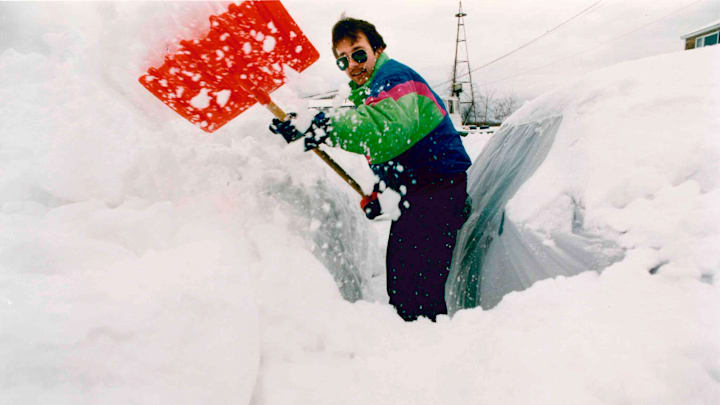
- The 1993 Storm of the Century
The Great Frost of 1709
Known as Le Grand Hiver (the Great Winter) in France, the Great Frost was a winter of unprecedented bitter cold across the European continent between 1708 and 1709. Lasting about three months, the Great Frost decimated the agricultural industries in countries like France and England.
Some historians have estimated that the grueling winter led to a dramatic drop of 13% in England’s GDP and left more than half a million French dead from exposure, illness, or starvation. Coinciding with the Little Ice Age, a widespread regional cooling across the North Atlantic between the 16th and 19th centuries, the Great Frost came during a period of widespread social upheaval across Europe, compounding the losses incurred during the cold spell.
Though the circumstances of the Great Frost and the global COVID-19 pandemic vary greatly in nature, their seismic economic ramifications have often found the two compared to one another.
The Volcanic Winter of 536 CE
Frequently described as the worst year in human history, 536 CE was a year plagued with misfortune—its winter being no exception.
Following a massive volcanic eruption somewhere in Earth’s northern hemisphere (purportedly Iceland or Alaska), much of the Earth’s atmosphere became saturated with volcanic ash, dimming the sun for more than a year and leading to massive, widespread crop failures that plunged much of the world into famine. Plummeting global temperatures as much as 3.6℉, the widespread crop and vegetation failure brought on by the volcanic eruption decimated human and wildlife populations across Eurasia.
Still reeling from widespread famine, Eastern Europe was quickly overcome by plague and disease, with the comorbid arrival of the Plague of Justinian that claimed the lives of an estimated 50 million people. Weakened by the grueling winter and raging plague, the cataclysmic events of 536 CE brought an end to both the Sananian and Gupta empires, permanently altering the Eurasian geopolitical landscape.
The Year Without a Summer (1816)
Following the 1815 eruption of Mount Tambora in Indonesia, millions of tons of ash and debris were shot into Earth’s atmosphere. Largely considered to be the single most powerful volcanic eruption in man’s history, the eruption itself claimed the lives of an estimated 10,000 to 20,000 people immediately, but its true impact wouldn’t be felt until the following year.
Exacerbated by another eruption in the Philippines a year prior, the high concentration of ash in Earth’s atmosphere resulted in Europe’s coldest winter ever, leading to widespread crop failures and the year to be fittingly dubbed the Year Without a Summer. Destroying crop yields across Europe and Asia, the ensuing global famine led to an increase in deaths from disease and exacerbated political tensions between countries like the United Kingdom and Ireland.
While much of the Year Without a Summer can be described as one of general misery, the volcanic winter and its corresponding chilly conditions indirectly gave rise to Mary Shelley’s Frankenstein, when the literary classic was penned during a particularly dreary getaway during the Year Without a Summer.
The Great Blizzard of 1888
One of the most severe blizzards in American history, the Great Blizzard of 1888 effectively crippled the northern half of the East Coast when heavy rainfall turned to snow in the early hours of March 12, 1888. Trapping families across New England inside their homes for up to a week, the Great White Hurricane, as it came to be called, dropped 50 inches of snow across the Northeast, disabling telegraph lines and bringing rail travel to a screeching halt.
Leading to the deaths of an estimated 400 people (half of which were in New York City alone), the unprecedented storm incentivized New York City to begin taking much of its infrastructure, like telegraph, power, and rail lines underground, catalyzing the creation of the city’s now ubiquitous underground subway transit.
The 1993 Storm of the Century
Sometimes also referred to as the Great Blizzard of 1993, the Storm of the Century was a behemoth nor’easter that hit half of the United States and much of eastern Canada in March 1993. Dropping several feet of snow all along the Atlantic seaboard, the Storm of the Century claimed the lives of at least 300 and caused property damage in excess of $6 billion.
Hitting the U.S. with hurricane-force winds, the storm’s icy conditions and strong winds left an estimated 10 million homes without power and brought commercial travel to a standstill overnight. Raging from March 10 to March 14, 1993, the blizzard hit Tennessee the hardest, dropping about five feet of snow onto the landlocked Southern state.
Though the damage from the storm was still considerable, advancements in weather reporting accurately forecasted the storm days in advance, giving local and federal governments critical time to prepare for the brutal conditions and mitigate any losses.
You May Also Like:
Add Mental Floss as a preferred news source!