%20%20--%3E%0A%3Csvg%20version%3D%221.1%22%20id%3D%22Layer_1%22%20xmlns%3D%22http%3A%2F%2Fwww.w3.org%2F2000%2Fsvg%22%20xmlns%3Axlink%3D%22http%3A%2F%2Fwww.w3.org%2F1999%2Fxlink%22%20x%3D%220px%22%20y%3D%220px%22%0A%09%20viewBox%3D%220%200%20684.6%2068.1%22%20style%3D%22enable-background%3Anew%200%200%20684.6%2068.1%3B%22%20xml%3Aspace%3D%22preserve%22%3E%0A%3Cg%3E%0A%09%3Cpath%20d%3D%22M444.1%2C29.3h-17.4v14.5h17.4V29.3z%20M36.4%2C68.1l29.3-50.8V0H50.4L32.9%2C36.8L15.5%2C0H0v68.1h16.7V45.8l12.4%2C22.3H36.4z%0A%09%09%20M49.1%2C68.1h16.6V23.4L49.1%2C52.1V68.1z%20M76.6%2C68.1h45V53.8H93.3V41.6h21V27.1h-21V14.8h28.3V0.1h-45V68.1z%20M175.6%2C68.1h17.3v-68%0A%09%09h-16.5v40.3L150%2C0.1h-17.6v68h16.7V27.7L175.6%2C68.1z%20M235.8%2C14.8h15.4V0.1h-47.4v14.7H219v53.2h16.8V14.8z%20M290.3%2C45.9h-17.1%0A%09%09l7.5-15.6h2L290.3%2C45.9z%20M298.7%2C68.1h18l-32.2-68h-5.7l-32%2C68h18l3.3-7.1h27.1L298.7%2C68.1z%20M325.2%2C68.1h46.2V53.8h-29.6V0.1h-16.7%0A%09%09V68.1z%20M423.7%2C14.8h27.2V0.1H407v68h16.7V14.8z%20M462%2C68.1h46.2V53.8h-29.6V0.1H462V68.1z%20M564.8%2C34.1c0%2C10.7-7.2%2C19.2-18.5%2C19.2%0A%09%09c-11.4%2C0-18.5-8.5-18.5-19.2s7.1-19.2%2C18.5-19.2C557.6%2C14.9%2C564.8%2C23.4%2C564.8%2C34.1%20M580.6%2C34.1c0-19-14.2-34-34.3-34%0A%09%09c-20.2%2C0-34.3%2C15-34.3%2C34c0%2C19%2C14.1%2C34%2C34.3%2C34C566.4%2C68.1%2C580.6%2C53.1%2C580.6%2C34.1%20M604.8%2C20.5c0-4.1%2C3.3-6.2%2C6.7-6.2%0A%09%09c4.4%2C0%2C6.6%2C3%2C6.6%2C6.6h14.7C631.8%2C9.1%2C625.1%2C0.1%2C611%2C0.1c-12%2C0-21.7%2C9.3-21.7%2C20.6c0%2C10.9%2C5.9%2C15.9%2C16.7%2C19.8%0A%09%09c5.2%2C1.8%2C11.5%2C3.2%2C11.5%2C8c0%2C3.3-2.4%2C5.5-6.4%2C5.5c-3.6%2C0-6.6-3-6.6-6.7h-15.2c0%2C11.5%2C7.9%2C20.8%2C21.8%2C20.8c12%2C0%2C21.6-9.3%2C21.6-20.6%0A%09%09c0-10-5.3-16.4-16.7-19.8C610.6%2C26.1%2C604.8%2C25.3%2C604.8%2C20.5%20M670%2C20.9h14.7C683.8%2C9.1%2C677.1%2C0.1%2C663%2C0.1c-12%2C0-21.7%2C9.3-21.7%2C20.6%0A%09%09c0%2C10.9%2C5.9%2C15.9%2C16.7%2C19.8c5.2%2C1.8%2C11.5%2C3.2%2C11.5%2C8c0%2C3.3-2.4%2C5.5-6.4%2C5.5c-3.6%2C0-6.6-3-6.6-6.7h-15.2c0%2C11.5%2C7.9%2C20.8%2C21.8%2C20.8%0A%09%09c12%2C0%2C21.6-9.3%2C21.6-20.6c0-10-5.3-16.4-16.7-19.8c-5.4-1.6-11.3-2.4-11.3-7.2c0-4.1%2C3.3-6.2%2C6.7-6.2C667.7%2C14.4%2C670%2C17.3%2C670%2C20.9%0A%09%09%22%2F%3E%0A%3C%2Fg%3E%0A%3C%2Fsvg%3E%0A)

Not every historical figure meets a cinematic or heroic end. Sometimes fate has something far stranger in store. Whether it was an ill-advised fashion accessory, an encounter with an unfriendly monkey, or a poorly timed seafood dinner, these historical figures' lives ended in ways far less poetic than anyone could have expected.
Here are six historical figures who died in bizarre ways.
Aeschylus

Despite his notoriety as one of Ancient Greece’s premier tragedians, the playwright Aeschylus met a pretty comic end when his own time came. Around 456 BCE, the famed Greek playwright was killed while visiting the Sicilian city of Gela. According to legend, the Oresteia writer died after an eagle dropped a tortoise on his head. Apparently mistaking the playwright’s bald head for a rock with which to crack open the tortoise's shell, some historians have questioned the veracity of this legend, postulating it may have been fabricated by a contemporary comic writer.
Although Aeschylus is said to have authored around 90 plays during his storied career, only seven complete works survive today, most notably The Oresteia, The Persians, and Seven Against Thebes.
Isadora Duncan

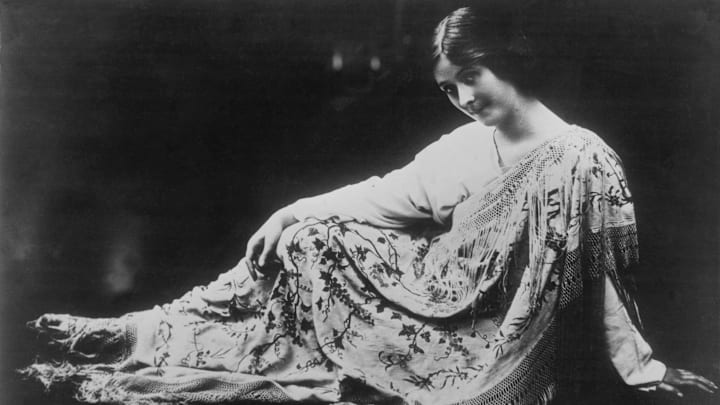
Born in San Francisco in 1877, Isadora Duncan was a famed dancer and choreographer widely credited with galvanizing the contemporary dance movement. After decamping to Europe in her early 20s, Duncan opened dance schools in cities like Berlin and New York, eschewing the rigidity of ballet in favor of more fluid, natural movement associated with modern dance today.
In September 1927, Duncan was killed while traveling in Nice, France, after her long, flowing scarf became tangled in the wheel of her convertible car, strangling her. When novelist Gertrude Stein was made aware of Duncan’s demise, she famously quipped, “Affectations can be dangerous.”
Henry I of England

Son of Norman king William the Conqueror, Henry I reigned as king of England from 1100 to 1135. The youngest of William the Conqueror and Queen Matilda of Flanders' four sons, Henry was not originally expected to inherit any land. However, he was eventually able to (politically and militarily) outmaneuver his elder brothers to seize the crown for himself.
While traveling in Normandy, King Henry I died after reportedly eating a large helping of lampreys (a rich and fatty, jawless, eel-like fish) against the advice of his physicians. Prior to his death, Henry I controversially named his daughter, Empress Matilda, his heir after his only legitimate son, William Adelin, died in the White Ship disaster in 1120.
Following Henry’s death, England was plunged into an 18-year civil war known as The Anarchy after Empress Matilda’s cousin, Stephen of Blois, seized the throne for himself. Only after nearly 20 years did the war come to an end when Stephen agreed to remain king but named Matilda’s son, Henry II, as his heir.
Sigurd the Mighty
Sigurd Eysteinsson, better known as Sigurd the Mighty, was a Viking conqueror and second Jarl of Orkney, an archipelago in Scotland’s Northern Isles. A prominent leader in the Viking invasion of northern Scotland, Sigurd ruled as Jarl from 875 CE until his death in 892 CE following a battle with Máel Brigte, a rival chieftain and warlord. After Sigurd and his men defeated Brigte in battle, Sigurd took the defeated chieftain's severed head as a battle trophy.
While riding with Brigte’s head attached to his saddle, Sigurd’s leg was cut by one of Brigte’s teeth, leading to an infection. Shortly after returning home, Sigurd the Mighty died from the infection brought on by his gruesome symbol of victory.
King Alexander of Greece

In October 1920, King Alexander of Greece was bitten by a domesticated monkey during a stroll through the expansive grounds of his royal family’s Tatoi Palace north of Athens. Despite prompt dressing and cleaning of the wound, the Greek king’s injury soon became infected and septic. While doctors debated whether or not to amputate the king’s leg, the infection continued its spread, and just weeks later, the young Greek king was dead.
Just 27 years old at the time of his death, Alexander did not leave any heirs, opening a massive power vacuum in the increasingly precarious Greek monarchy. Following an election and referendum, Alexander’s father, the previously deposed King Constantine, was reinstated as king before abdicating the throne once more in 1922 after Greece’s defeat in the Greco-Turkish War.
Jean-Baptiste Lully

Born Giovanni Battista Lulli in 1632, Jean-Baptiste Lully was an Italian-French composer best remembered for his critical role in defining the French Baroque music style. Though Lully’s composing and conducting would come to define his life, they also brought about his end.
After catching the eye of French king Louis XIV in a 1653 ballet, Lully ingratiated himself with the young ruler, later taking up a position as the French royal family’s master of music. While conducting an opera to celebrate Louis’s recent recovery from surgery in 1687, Lully accidentally stabbed himself in the foot with his conducting staff. Largely owing to the lax hygienic practices of the time, the wound quickly became infected. After Lully refused to have his toe amputated, the infection turned gangrenous and spread, ultimately killing him.