%20%20--%3E%0A%3Csvg%20version%3D%221.1%22%20id%3D%22Layer_1%22%20xmlns%3D%22http%3A%2F%2Fwww.w3.org%2F2000%2Fsvg%22%20xmlns%3Axlink%3D%22http%3A%2F%2Fwww.w3.org%2F1999%2Fxlink%22%20x%3D%220px%22%20y%3D%220px%22%0A%09%20viewBox%3D%220%200%20684.6%2068.1%22%20style%3D%22enable-background%3Anew%200%200%20684.6%2068.1%3B%22%20xml%3Aspace%3D%22preserve%22%3E%0A%3Cg%3E%0A%09%3Cpath%20d%3D%22M444.1%2C29.3h-17.4v14.5h17.4V29.3z%20M36.4%2C68.1l29.3-50.8V0H50.4L32.9%2C36.8L15.5%2C0H0v68.1h16.7V45.8l12.4%2C22.3H36.4z%0A%09%09%20M49.1%2C68.1h16.6V23.4L49.1%2C52.1V68.1z%20M76.6%2C68.1h45V53.8H93.3V41.6h21V27.1h-21V14.8h28.3V0.1h-45V68.1z%20M175.6%2C68.1h17.3v-68%0A%09%09h-16.5v40.3L150%2C0.1h-17.6v68h16.7V27.7L175.6%2C68.1z%20M235.8%2C14.8h15.4V0.1h-47.4v14.7H219v53.2h16.8V14.8z%20M290.3%2C45.9h-17.1%0A%09%09l7.5-15.6h2L290.3%2C45.9z%20M298.7%2C68.1h18l-32.2-68h-5.7l-32%2C68h18l3.3-7.1h27.1L298.7%2C68.1z%20M325.2%2C68.1h46.2V53.8h-29.6V0.1h-16.7%0A%09%09V68.1z%20M423.7%2C14.8h27.2V0.1H407v68h16.7V14.8z%20M462%2C68.1h46.2V53.8h-29.6V0.1H462V68.1z%20M564.8%2C34.1c0%2C10.7-7.2%2C19.2-18.5%2C19.2%0A%09%09c-11.4%2C0-18.5-8.5-18.5-19.2s7.1-19.2%2C18.5-19.2C557.6%2C14.9%2C564.8%2C23.4%2C564.8%2C34.1%20M580.6%2C34.1c0-19-14.2-34-34.3-34%0A%09%09c-20.2%2C0-34.3%2C15-34.3%2C34c0%2C19%2C14.1%2C34%2C34.3%2C34C566.4%2C68.1%2C580.6%2C53.1%2C580.6%2C34.1%20M604.8%2C20.5c0-4.1%2C3.3-6.2%2C6.7-6.2%0A%09%09c4.4%2C0%2C6.6%2C3%2C6.6%2C6.6h14.7C631.8%2C9.1%2C625.1%2C0.1%2C611%2C0.1c-12%2C0-21.7%2C9.3-21.7%2C20.6c0%2C10.9%2C5.9%2C15.9%2C16.7%2C19.8%0A%09%09c5.2%2C1.8%2C11.5%2C3.2%2C11.5%2C8c0%2C3.3-2.4%2C5.5-6.4%2C5.5c-3.6%2C0-6.6-3-6.6-6.7h-15.2c0%2C11.5%2C7.9%2C20.8%2C21.8%2C20.8c12%2C0%2C21.6-9.3%2C21.6-20.6%0A%09%09c0-10-5.3-16.4-16.7-19.8C610.6%2C26.1%2C604.8%2C25.3%2C604.8%2C20.5%20M670%2C20.9h14.7C683.8%2C9.1%2C677.1%2C0.1%2C663%2C0.1c-12%2C0-21.7%2C9.3-21.7%2C20.6%0A%09%09c0%2C10.9%2C5.9%2C15.9%2C16.7%2C19.8c5.2%2C1.8%2C11.5%2C3.2%2C11.5%2C8c0%2C3.3-2.4%2C5.5-6.4%2C5.5c-3.6%2C0-6.6-3-6.6-6.7h-15.2c0%2C11.5%2C7.9%2C20.8%2C21.8%2C20.8%0A%09%09c12%2C0%2C21.6-9.3%2C21.6-20.6c0-10-5.3-16.4-16.7-19.8c-5.4-1.6-11.3-2.4-11.3-7.2c0-4.1%2C3.3-6.2%2C6.7-6.2C667.7%2C14.4%2C670%2C17.3%2C670%2C20.9%0A%09%09%22%2F%3E%0A%3C%2Fg%3E%0A%3C%2Fsvg%3E%0A)

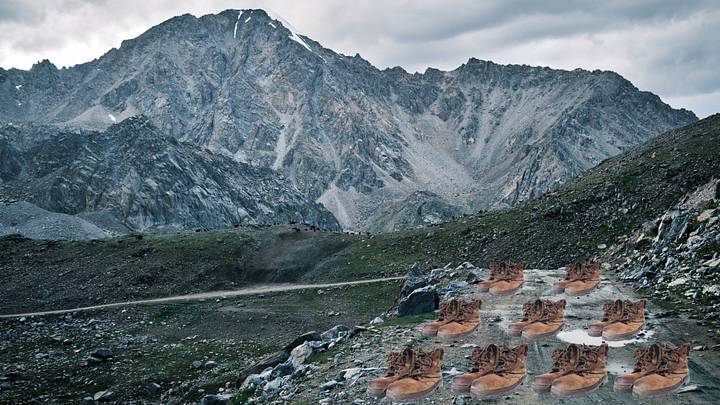
More than six decades after nine experienced hikers lost their lives in the remote Ural Mountains of the Soviet Union, the Dyatlov Pass case continues to spark debate among historians, scientists, and amateur investigators.
The strange circumstances surrounding their deaths, combined with conflicting evidence and years of speculation, have recast the tragedy as one of history's most unfading mysteries. While modern investigations have provided new insights, people still have questions about exactly what happened on that freezing winter night in 1959.
THE INCIDENT AT DYATLOV PASS

The story began on January 23, 1959, when a group of 10 young hikers set out on a challenging skiing expedition across the northern Ural Mountains in what is now Russia. The group was led by 23-year-old Igor Dyatlov, an experienced engineering student at the Ural Polytechnic Institute. The other members were Zinaida Kolmogorova, Yuri Doroshenko, Rustem Slobodin, Lyudmila Dubinina, Alexander Kolevatov, Semyon Zolotaryov, Nikolai Thibeaux-Brignolle, Yuri Krivonischenko, and Yuri Yudin.
The expedition aimed to reach Otorten Mountain, a demanding route requiring ample outdoor experience. Early in the journey, Yuri Yudin became ill and returned home, a decision that ultimately saved his life. The remaining nine hikers continued toward their destination. According to expedition records, the group established its final camp on February 1, 1959, on the slopes of Kholat Syakhl in the northern Ural Mountains.
On February 1, 1959, they pitched their tent on the eastern slope of Kholat Syakhl, a mountain whose name ironically translates to "Dead Mountain" or "Mountain of the Dead." At some point during the night, something caused the hikers to flee their tent in haste. Investigators later discovered that the tent had been cut open from the inside, suggesting the group exited rapidly, bypassing the normal entrance.
Search teams located the abandoned campsite on February 26. The first bodies were found near a cedar tree just under a mile from the tent. Additional victims were discovered over the following months. Some hikers appeared to have died from hypothermia, while others suffered severe injuries, including fractured ribs, skull trauma, and charred skin. Investigators found scraps of clothing and chunks of flesh in nearby trees. These unusual findings fueled decades of speculation and theories ranging from military experiments to paranormal explanations. Some were missing their teeth and eyeballs. Others were found with tattered, burned, or missing articles of clothing, which tested positive for radioactive contamination.
The Soviet investigation was conducted in May 1959. However, officials provided only a vague explanation, stating that the hikers had succumbed to an "unknown compelling force." The lack of details and the sealing of many records contributed to the mystery's prolonged appeal.
THE THEORIES

For decades, the Dyatlov Pass incident remained one of the most discussed unsolved mysteries in modern history. Following the collapse of the Soviet Union, researchers gained access to additional records and witness statements, leading to renewed interest in the case. A handful of books, documentaries, and independent investigations attempted to explain what happened during the hikers' final hours.
In 2019, Russian authorities reopened the case and conducted a modern review using contemporary scientific methods. In 2020, investigators announced that an avalanche or an avalanche-like snow slab event was the most likely explanation. According to the findings, unstable snow conditions may have forced the hikers to leave their tent suddenly, after which freezing temperatures and severe weather led to their death.
Additional scientific research published in 2021 supported aspects of the avalanche theory. Researchers used computer modeling and snow mechanics to demonstrate how a delayed section of avalanche could have produced injuries similar to those documented in the original autopsy reports.
A CASE FROZEN IN TIME
Despite these developments, some investigators remain unconvinced that every aspect of the mystery has been solved. Questions persist regarding the group's exact movements after leaving the tent and whether all of the physical evidence can be fully explained by natural causes alone. As a result, debate surrounding the incident continues today.
The Dyatlov Pass incident remains one of the most gripping mysteries into 2026. What began as a routine winter expedition in February 1959 became a tragedy that continues to puzzle the public more than sixty years later. While recent scientific studies and official investigations have provided a plausible explanation involving dangerous snow conditions and extreme weather, unanswered questions persist.