%20%20--%3E%0A%3Csvg%20version%3D%221.1%22%20id%3D%22Layer_1%22%20xmlns%3D%22http%3A%2F%2Fwww.w3.org%2F2000%2Fsvg%22%20xmlns%3Axlink%3D%22http%3A%2F%2Fwww.w3.org%2F1999%2Fxlink%22%20x%3D%220px%22%20y%3D%220px%22%0A%09%20viewBox%3D%220%200%20684.6%2068.1%22%20style%3D%22enable-background%3Anew%200%200%20684.6%2068.1%3B%22%20xml%3Aspace%3D%22preserve%22%3E%0A%3Cg%3E%0A%09%3Cpath%20d%3D%22M444.1%2C29.3h-17.4v14.5h17.4V29.3z%20M36.4%2C68.1l29.3-50.8V0H50.4L32.9%2C36.8L15.5%2C0H0v68.1h16.7V45.8l12.4%2C22.3H36.4z%0A%09%09%20M49.1%2C68.1h16.6V23.4L49.1%2C52.1V68.1z%20M76.6%2C68.1h45V53.8H93.3V41.6h21V27.1h-21V14.8h28.3V0.1h-45V68.1z%20M175.6%2C68.1h17.3v-68%0A%09%09h-16.5v40.3L150%2C0.1h-17.6v68h16.7V27.7L175.6%2C68.1z%20M235.8%2C14.8h15.4V0.1h-47.4v14.7H219v53.2h16.8V14.8z%20M290.3%2C45.9h-17.1%0A%09%09l7.5-15.6h2L290.3%2C45.9z%20M298.7%2C68.1h18l-32.2-68h-5.7l-32%2C68h18l3.3-7.1h27.1L298.7%2C68.1z%20M325.2%2C68.1h46.2V53.8h-29.6V0.1h-16.7%0A%09%09V68.1z%20M423.7%2C14.8h27.2V0.1H407v68h16.7V14.8z%20M462%2C68.1h46.2V53.8h-29.6V0.1H462V68.1z%20M564.8%2C34.1c0%2C10.7-7.2%2C19.2-18.5%2C19.2%0A%09%09c-11.4%2C0-18.5-8.5-18.5-19.2s7.1-19.2%2C18.5-19.2C557.6%2C14.9%2C564.8%2C23.4%2C564.8%2C34.1%20M580.6%2C34.1c0-19-14.2-34-34.3-34%0A%09%09c-20.2%2C0-34.3%2C15-34.3%2C34c0%2C19%2C14.1%2C34%2C34.3%2C34C566.4%2C68.1%2C580.6%2C53.1%2C580.6%2C34.1%20M604.8%2C20.5c0-4.1%2C3.3-6.2%2C6.7-6.2%0A%09%09c4.4%2C0%2C6.6%2C3%2C6.6%2C6.6h14.7C631.8%2C9.1%2C625.1%2C0.1%2C611%2C0.1c-12%2C0-21.7%2C9.3-21.7%2C20.6c0%2C10.9%2C5.9%2C15.9%2C16.7%2C19.8%0A%09%09c5.2%2C1.8%2C11.5%2C3.2%2C11.5%2C8c0%2C3.3-2.4%2C5.5-6.4%2C5.5c-3.6%2C0-6.6-3-6.6-6.7h-15.2c0%2C11.5%2C7.9%2C20.8%2C21.8%2C20.8c12%2C0%2C21.6-9.3%2C21.6-20.6%0A%09%09c0-10-5.3-16.4-16.7-19.8C610.6%2C26.1%2C604.8%2C25.3%2C604.8%2C20.5%20M670%2C20.9h14.7C683.8%2C9.1%2C677.1%2C0.1%2C663%2C0.1c-12%2C0-21.7%2C9.3-21.7%2C20.6%0A%09%09c0%2C10.9%2C5.9%2C15.9%2C16.7%2C19.8c5.2%2C1.8%2C11.5%2C3.2%2C11.5%2C8c0%2C3.3-2.4%2C5.5-6.4%2C5.5c-3.6%2C0-6.6-3-6.6-6.7h-15.2c0%2C11.5%2C7.9%2C20.8%2C21.8%2C20.8%0A%09%09c12%2C0%2C21.6-9.3%2C21.6-20.6c0-10-5.3-16.4-16.7-19.8c-5.4-1.6-11.3-2.4-11.3-7.2c0-4.1%2C3.3-6.2%2C6.7-6.2C667.7%2C14.4%2C670%2C17.3%2C670%2C20.9%0A%09%09%22%2F%3E%0A%3C%2Fg%3E%0A%3C%2Fsvg%3E%0A)

How did an organization whose founder followed a philosophy based on doing the greatest amount of good possible for the world end up in prison for misappropriating billions of dollars of customer funds?
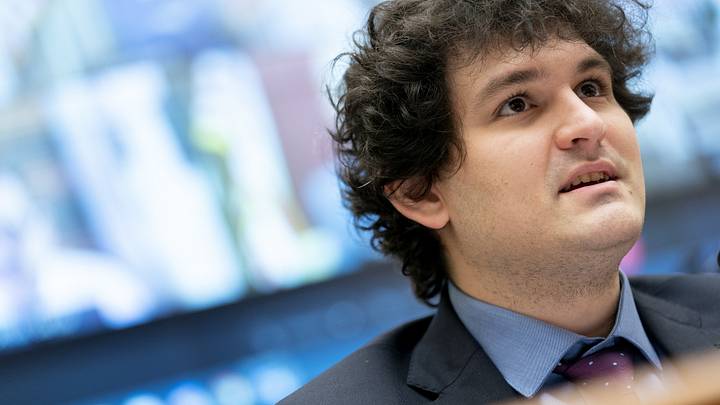
That’s the central question at the heart of The Altruists, the Netflix series that explores the rise and fall of the cryptocurrency exchange company FTX. Before FTX’s collapse, its founder, Sam Bankman-Fried, was a poster child for effective altruism, a philosophy that uses research and evidence to identify the world’s biggest problems and find strategies to solve them.
He openly cited effective altruism as the reason he entered the crypto industry, and had vowed to eventually give away most of his wealth to charity. Yet Bankman-Fried is currently serving a 25-year prison sentence. So how did this all play out, and how did effective altruism influence Bankman-Fried’s actions?
What is effective altruism?

Effective altruism is both a philosophy and social movement. It is based on using reason and logic to identify major global problems and solutions, and helping people to figure out how they can do the most good possible with their lives.
“Effective altruism is about using scientific evidence and careful reasoning to find the best ways to help others, and putting those findings into practice,” reads the program’s website. “It's both an ongoing research project and a global movement of people working to do good.”
The movement draws much of its inspiration from the philosopher Peter Singer, who has long argued that people have a moral obligation to help people in poverty. It has mobilized billions of dollars in donations over the years. The movement generally encourages people to either dedicate their time or careers to improving specific social issues, or to “earn to give”—making as much money as possible and donating it to charity.
What was Sam Bankman-Fried’s relationship to effective altruism?

Bankman-Fried was first introduced to effective altruism after meeting William MacAskill, one of the movement’s founders, when he was an MIT undergraduate. Less than a decade later, he had promised to donate the entirety of his net worth—at one point some $26 billion—to charity. Bankman-Fried also publicly said his desire to help as many people as possible through donations drove his decision to take significant financial risks.
FTX’s collapse was devastating for effective altruism proponents and gleefully celebrated by many of its critics. “Bankman-Fried's behavior went against values central to effective altruism, such as honesty, humility, integrity, and concern for other people,” reads a statement on the Centre for Effective Altruism’s website. “In the years since, leaders in the effective altruism movement have consistently condemned Bankman-Fried’s actions.”
It would be incorrect to say that effective altruism directly caused Bankman-Fried’s actions. Yet his connection to the movement certainly shows the potential pitfalls of fixating on a potential future outcome—no matter how beneficial for the world—while failing to act with integrity in the present.