%20%20--%3E%0A%3Csvg%20version%3D%221.1%22%20id%3D%22Layer_1%22%20xmlns%3D%22http%3A%2F%2Fwww.w3.org%2F2000%2Fsvg%22%20xmlns%3Axlink%3D%22http%3A%2F%2Fwww.w3.org%2F1999%2Fxlink%22%20x%3D%220px%22%20y%3D%220px%22%0A%09%20viewBox%3D%220%200%20684.6%2068.1%22%20style%3D%22enable-background%3Anew%200%200%20684.6%2068.1%3B%22%20xml%3Aspace%3D%22preserve%22%3E%0A%3Cg%3E%0A%09%3Cpath%20d%3D%22M444.1%2C29.3h-17.4v14.5h17.4V29.3z%20M36.4%2C68.1l29.3-50.8V0H50.4L32.9%2C36.8L15.5%2C0H0v68.1h16.7V45.8l12.4%2C22.3H36.4z%0A%09%09%20M49.1%2C68.1h16.6V23.4L49.1%2C52.1V68.1z%20M76.6%2C68.1h45V53.8H93.3V41.6h21V27.1h-21V14.8h28.3V0.1h-45V68.1z%20M175.6%2C68.1h17.3v-68%0A%09%09h-16.5v40.3L150%2C0.1h-17.6v68h16.7V27.7L175.6%2C68.1z%20M235.8%2C14.8h15.4V0.1h-47.4v14.7H219v53.2h16.8V14.8z%20M290.3%2C45.9h-17.1%0A%09%09l7.5-15.6h2L290.3%2C45.9z%20M298.7%2C68.1h18l-32.2-68h-5.7l-32%2C68h18l3.3-7.1h27.1L298.7%2C68.1z%20M325.2%2C68.1h46.2V53.8h-29.6V0.1h-16.7%0A%09%09V68.1z%20M423.7%2C14.8h27.2V0.1H407v68h16.7V14.8z%20M462%2C68.1h46.2V53.8h-29.6V0.1H462V68.1z%20M564.8%2C34.1c0%2C10.7-7.2%2C19.2-18.5%2C19.2%0A%09%09c-11.4%2C0-18.5-8.5-18.5-19.2s7.1-19.2%2C18.5-19.2C557.6%2C14.9%2C564.8%2C23.4%2C564.8%2C34.1%20M580.6%2C34.1c0-19-14.2-34-34.3-34%0A%09%09c-20.2%2C0-34.3%2C15-34.3%2C34c0%2C19%2C14.1%2C34%2C34.3%2C34C566.4%2C68.1%2C580.6%2C53.1%2C580.6%2C34.1%20M604.8%2C20.5c0-4.1%2C3.3-6.2%2C6.7-6.2%0A%09%09c4.4%2C0%2C6.6%2C3%2C6.6%2C6.6h14.7C631.8%2C9.1%2C625.1%2C0.1%2C611%2C0.1c-12%2C0-21.7%2C9.3-21.7%2C20.6c0%2C10.9%2C5.9%2C15.9%2C16.7%2C19.8%0A%09%09c5.2%2C1.8%2C11.5%2C3.2%2C11.5%2C8c0%2C3.3-2.4%2C5.5-6.4%2C5.5c-3.6%2C0-6.6-3-6.6-6.7h-15.2c0%2C11.5%2C7.9%2C20.8%2C21.8%2C20.8c12%2C0%2C21.6-9.3%2C21.6-20.6%0A%09%09c0-10-5.3-16.4-16.7-19.8C610.6%2C26.1%2C604.8%2C25.3%2C604.8%2C20.5%20M670%2C20.9h14.7C683.8%2C9.1%2C677.1%2C0.1%2C663%2C0.1c-12%2C0-21.7%2C9.3-21.7%2C20.6%0A%09%09c0%2C10.9%2C5.9%2C15.9%2C16.7%2C19.8c5.2%2C1.8%2C11.5%2C3.2%2C11.5%2C8c0%2C3.3-2.4%2C5.5-6.4%2C5.5c-3.6%2C0-6.6-3-6.6-6.7h-15.2c0%2C11.5%2C7.9%2C20.8%2C21.8%2C20.8%0A%09%09c12%2C0%2C21.6-9.3%2C21.6-20.6c0-10-5.3-16.4-16.7-19.8c-5.4-1.6-11.3-2.4-11.3-7.2c0-4.1%2C3.3-6.2%2C6.7-6.2C667.7%2C14.4%2C670%2C17.3%2C670%2C20.9%0A%09%09%22%2F%3E%0A%3C%2Fg%3E%0A%3C%2Fsvg%3E%0A)

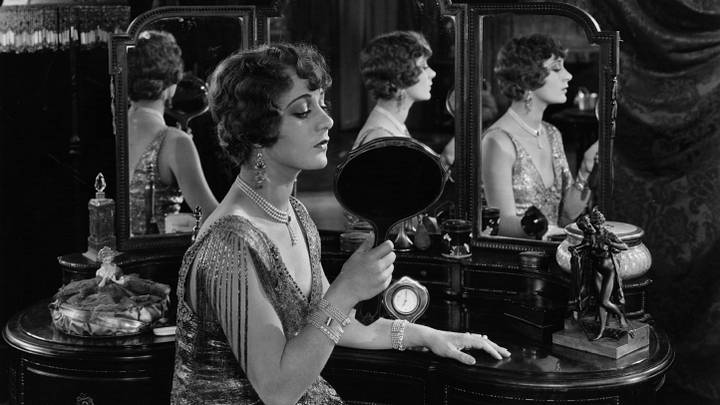
The concept of a vanity table has taken many forms over the years: the term dates back to 1898, but the object itself is also known in the Anglosphere as a dressing table, as a “duchess” in Australia, or as simply a “vanity,” and has long been a notable element of the morning routine for many individuals in both the past and the present.
The 1920s saw interesting developments in this area which coincided with what is known as the “Jazz Age” and the rise of party culture, which included the loosening of restrictions on fashion and more adventurous directions in hairstyling and makeup than had been the case before the war. People were celebrating whatever freedom they could find, and the ways in which they tended to their appearance reflected the spirit of the times.
Here is a look at five things which vanity tables of the 1920s often contained.
Metal Lip Tracers and Stencils

The invention of the tube form of lipstick had revolutionized the application of color to the lips. Interest in the effects makeup could have on this area of the face was amplified through the use of metal lip tracers and stencils, which were the precursors to today’s lipliner. This helped to create a dramatic outline within which lipstick would be applied.
Vanishing Cream
While the term and the product have mostly fallen out of usage today, in the early 20th century vanishing cream would have been an essential part of many women’s skincare routine. During the 1920s this was as commonly used as moisturizer is now, and also served as a kind of foundation on which other makeup could be applied.
It was known as vanishing cream because it was designed to be absorbed without leaving a mark, unlike other kinds of cream which were intended to be visible on the skin.
Curling Tongs

The 1920s saw the rise of shorter hairstyles, including the jaw-length bob which became one of the signature looks of the era, and could be worn in a number of different ways, including straight in the manner of the film star Louise Brooks, or with waves and curls which became more popular as the decade progressed.
A number of different methods were used to create these shapes on the hair, and many women used curling tongs to accomplish this, including for the effect known as “marcelling,” where the hair was styled in deep waves.
Decorated Headbands
The 1920s interest in glamor and embellishment was also reflected in accessories for hairstyles. During this period decorated headbands were very popular, as were jeweled combs and other items which could be attached to the head in a creative way. Combs during this period tended to be smaller than combs from earlier periods to correspond with the rise in shorter hairstyles. Headbands, combs, and other hair accessories would have been stored in a drawer of a woman’s vanity table when not in use.
Long Necklaces

Jewelry was an important aspect of 1920s fashion, and the styles reflected the era’s interest in freedom. Long necklaces were very popular during this period, which could swing low and loose without restricting the wearer as they danced. In particular, a long pearl necklace was sometimes considered an essential wardrobe item. These necklaces, which were also known as sautoirs, would have been kept alongside other items of jewelry in a velvet lined box or other containers in a vanity table.