%20%20--%3E%0A%3Csvg%20version%3D%221.1%22%20id%3D%22Layer_1%22%20xmlns%3D%22http%3A%2F%2Fwww.w3.org%2F2000%2Fsvg%22%20xmlns%3Axlink%3D%22http%3A%2F%2Fwww.w3.org%2F1999%2Fxlink%22%20x%3D%220px%22%20y%3D%220px%22%0A%09%20viewBox%3D%220%200%20684.6%2068.1%22%20style%3D%22enable-background%3Anew%200%200%20684.6%2068.1%3B%22%20xml%3Aspace%3D%22preserve%22%3E%0A%3Cg%3E%0A%09%3Cpath%20d%3D%22M444.1%2C29.3h-17.4v14.5h17.4V29.3z%20M36.4%2C68.1l29.3-50.8V0H50.4L32.9%2C36.8L15.5%2C0H0v68.1h16.7V45.8l12.4%2C22.3H36.4z%0A%09%09%20M49.1%2C68.1h16.6V23.4L49.1%2C52.1V68.1z%20M76.6%2C68.1h45V53.8H93.3V41.6h21V27.1h-21V14.8h28.3V0.1h-45V68.1z%20M175.6%2C68.1h17.3v-68%0A%09%09h-16.5v40.3L150%2C0.1h-17.6v68h16.7V27.7L175.6%2C68.1z%20M235.8%2C14.8h15.4V0.1h-47.4v14.7H219v53.2h16.8V14.8z%20M290.3%2C45.9h-17.1%0A%09%09l7.5-15.6h2L290.3%2C45.9z%20M298.7%2C68.1h18l-32.2-68h-5.7l-32%2C68h18l3.3-7.1h27.1L298.7%2C68.1z%20M325.2%2C68.1h46.2V53.8h-29.6V0.1h-16.7%0A%09%09V68.1z%20M423.7%2C14.8h27.2V0.1H407v68h16.7V14.8z%20M462%2C68.1h46.2V53.8h-29.6V0.1H462V68.1z%20M564.8%2C34.1c0%2C10.7-7.2%2C19.2-18.5%2C19.2%0A%09%09c-11.4%2C0-18.5-8.5-18.5-19.2s7.1-19.2%2C18.5-19.2C557.6%2C14.9%2C564.8%2C23.4%2C564.8%2C34.1%20M580.6%2C34.1c0-19-14.2-34-34.3-34%0A%09%09c-20.2%2C0-34.3%2C15-34.3%2C34c0%2C19%2C14.1%2C34%2C34.3%2C34C566.4%2C68.1%2C580.6%2C53.1%2C580.6%2C34.1%20M604.8%2C20.5c0-4.1%2C3.3-6.2%2C6.7-6.2%0A%09%09c4.4%2C0%2C6.6%2C3%2C6.6%2C6.6h14.7C631.8%2C9.1%2C625.1%2C0.1%2C611%2C0.1c-12%2C0-21.7%2C9.3-21.7%2C20.6c0%2C10.9%2C5.9%2C15.9%2C16.7%2C19.8%0A%09%09c5.2%2C1.8%2C11.5%2C3.2%2C11.5%2C8c0%2C3.3-2.4%2C5.5-6.4%2C5.5c-3.6%2C0-6.6-3-6.6-6.7h-15.2c0%2C11.5%2C7.9%2C20.8%2C21.8%2C20.8c12%2C0%2C21.6-9.3%2C21.6-20.6%0A%09%09c0-10-5.3-16.4-16.7-19.8C610.6%2C26.1%2C604.8%2C25.3%2C604.8%2C20.5%20M670%2C20.9h14.7C683.8%2C9.1%2C677.1%2C0.1%2C663%2C0.1c-12%2C0-21.7%2C9.3-21.7%2C20.6%0A%09%09c0%2C10.9%2C5.9%2C15.9%2C16.7%2C19.8c5.2%2C1.8%2C11.5%2C3.2%2C11.5%2C8c0%2C3.3-2.4%2C5.5-6.4%2C5.5c-3.6%2C0-6.6-3-6.6-6.7h-15.2c0%2C11.5%2C7.9%2C20.8%2C21.8%2C20.8%0A%09%09c12%2C0%2C21.6-9.3%2C21.6-20.6c0-10-5.3-16.4-16.7-19.8c-5.4-1.6-11.3-2.4-11.3-7.2c0-4.1%2C3.3-6.2%2C6.7-6.2C667.7%2C14.4%2C670%2C17.3%2C670%2C20.9%0A%09%09%22%2F%3E%0A%3C%2Fg%3E%0A%3C%2Fsvg%3E%0A)

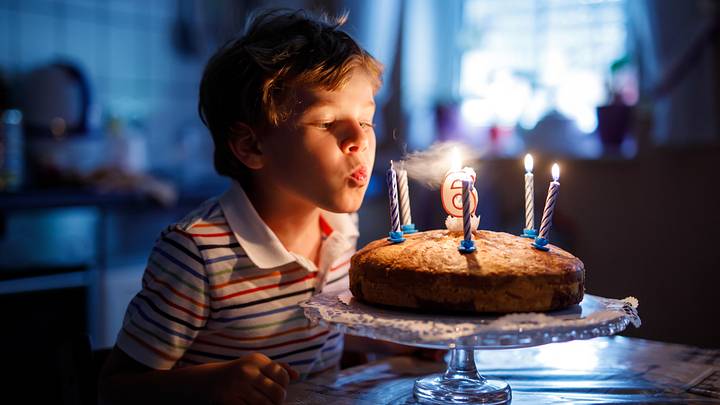
"Make a wish!" your loved ones shout as you take the deepest breath possible, preparing to blow out the candles that multiply with each passing year. The room quickly fills with smoke, leaving you a bit winded, with a cake covered in your favorite frosting, and the quiet hope that your wish might actually come true…as long as you don’t share it.
Blowing out birthday candles is one of the most popular rituals for ringing in a new year of life, no matter your age. But why do we do it, and where did this tradition begin?
WHY WE BLOW OUT BIRTHDAY CANDLES

There are two types of people on their birthday: those who look at the candles in disbelief that another year has passed, and those who revel in the candle display, treating their birthday like a holiday that deserves celebration from friends long before and after the date itself.
But how did these colorful wax sticks become a centerpiece on our cakes?
For many, it's simply part of the birthday checklist. When you were five, your parents baked you a cake and handed you the task of blowing out the candles, a rite of passage that continues every year. Some are superstitious, believing that blowing out the candles is essential for a bright year ahead and that skipping the tradition could bring bad luck. For others, it’s less about the act and more about the wish. Even if you don’t believe in birthday magic, what’s the harm in asking the universe for something you truly want, especially when accompanied by cake and a chorus of “Happy Birthday” from your circle?
These are just a few reasons why we bake cakes and blow out candles today. But, like so many beloved traditions, this annual ritual is layered with history from cultures that saw it as much more than wax and wishes.
Let’s cut into the history of birthday cakes and candles.
THE UNUSUAL HISTORY BEHIND IT

According to research from Mr. T’s Bakery, the modern birthday cake tradition is traced back to 18th-century German Kinderfest, where people gathered to celebrate life, connection, and another trip around the sun.
In ancient times, both Greeks and Germans placed candles (likely less colorful and oddly shaped) in cakes to "send wishes to the gods," typically adding an extra candle for good luck. The Greeks believed that blowing out the candles would lift their wishes and prayers to heaven and send away evil spirits.
Romans also marked birthdays with flat, honey-sweetened cakes, though only for important leaders and figures.
The wish-making element emerged in Germany, adding deeper meaning to the act of blowing out candles. You weren’t just extinguishing flames; you were contemplating a wish, which, if kept secret, was believed to have a better chance of coming true. Germans also added an extra candle to wish for an additional year of good fortune, because why not?
So, the next time someone shoves a cake with dozens of candles in your face and prompts you to make a wish, remember the magical, celebratory history of being fortunate enough to age another year, beginning with the sweet promise of flour and frosting.