%20%20--%3E%0A%3Csvg%20version%3D%221.1%22%20id%3D%22Layer_1%22%20xmlns%3D%22http%3A%2F%2Fwww.w3.org%2F2000%2Fsvg%22%20xmlns%3Axlink%3D%22http%3A%2F%2Fwww.w3.org%2F1999%2Fxlink%22%20x%3D%220px%22%20y%3D%220px%22%0A%09%20viewBox%3D%220%200%20684.6%2068.1%22%20style%3D%22enable-background%3Anew%200%200%20684.6%2068.1%3B%22%20xml%3Aspace%3D%22preserve%22%3E%0A%3Cg%3E%0A%09%3Cpath%20d%3D%22M444.1%2C29.3h-17.4v14.5h17.4V29.3z%20M36.4%2C68.1l29.3-50.8V0H50.4L32.9%2C36.8L15.5%2C0H0v68.1h16.7V45.8l12.4%2C22.3H36.4z%0A%09%09%20M49.1%2C68.1h16.6V23.4L49.1%2C52.1V68.1z%20M76.6%2C68.1h45V53.8H93.3V41.6h21V27.1h-21V14.8h28.3V0.1h-45V68.1z%20M175.6%2C68.1h17.3v-68%0A%09%09h-16.5v40.3L150%2C0.1h-17.6v68h16.7V27.7L175.6%2C68.1z%20M235.8%2C14.8h15.4V0.1h-47.4v14.7H219v53.2h16.8V14.8z%20M290.3%2C45.9h-17.1%0A%09%09l7.5-15.6h2L290.3%2C45.9z%20M298.7%2C68.1h18l-32.2-68h-5.7l-32%2C68h18l3.3-7.1h27.1L298.7%2C68.1z%20M325.2%2C68.1h46.2V53.8h-29.6V0.1h-16.7%0A%09%09V68.1z%20M423.7%2C14.8h27.2V0.1H407v68h16.7V14.8z%20M462%2C68.1h46.2V53.8h-29.6V0.1H462V68.1z%20M564.8%2C34.1c0%2C10.7-7.2%2C19.2-18.5%2C19.2%0A%09%09c-11.4%2C0-18.5-8.5-18.5-19.2s7.1-19.2%2C18.5-19.2C557.6%2C14.9%2C564.8%2C23.4%2C564.8%2C34.1%20M580.6%2C34.1c0-19-14.2-34-34.3-34%0A%09%09c-20.2%2C0-34.3%2C15-34.3%2C34c0%2C19%2C14.1%2C34%2C34.3%2C34C566.4%2C68.1%2C580.6%2C53.1%2C580.6%2C34.1%20M604.8%2C20.5c0-4.1%2C3.3-6.2%2C6.7-6.2%0A%09%09c4.4%2C0%2C6.6%2C3%2C6.6%2C6.6h14.7C631.8%2C9.1%2C625.1%2C0.1%2C611%2C0.1c-12%2C0-21.7%2C9.3-21.7%2C20.6c0%2C10.9%2C5.9%2C15.9%2C16.7%2C19.8%0A%09%09c5.2%2C1.8%2C11.5%2C3.2%2C11.5%2C8c0%2C3.3-2.4%2C5.5-6.4%2C5.5c-3.6%2C0-6.6-3-6.6-6.7h-15.2c0%2C11.5%2C7.9%2C20.8%2C21.8%2C20.8c12%2C0%2C21.6-9.3%2C21.6-20.6%0A%09%09c0-10-5.3-16.4-16.7-19.8C610.6%2C26.1%2C604.8%2C25.3%2C604.8%2C20.5%20M670%2C20.9h14.7C683.8%2C9.1%2C677.1%2C0.1%2C663%2C0.1c-12%2C0-21.7%2C9.3-21.7%2C20.6%0A%09%09c0%2C10.9%2C5.9%2C15.9%2C16.7%2C19.8c5.2%2C1.8%2C11.5%2C3.2%2C11.5%2C8c0%2C3.3-2.4%2C5.5-6.4%2C5.5c-3.6%2C0-6.6-3-6.6-6.7h-15.2c0%2C11.5%2C7.9%2C20.8%2C21.8%2C20.8%0A%09%09c12%2C0%2C21.6-9.3%2C21.6-20.6c0-10-5.3-16.4-16.7-19.8c-5.4-1.6-11.3-2.4-11.3-7.2c0-4.1%2C3.3-6.2%2C6.7-6.2C667.7%2C14.4%2C670%2C17.3%2C670%2C20.9%0A%09%09%22%2F%3E%0A%3C%2Fg%3E%0A%3C%2Fsvg%3E%0A)

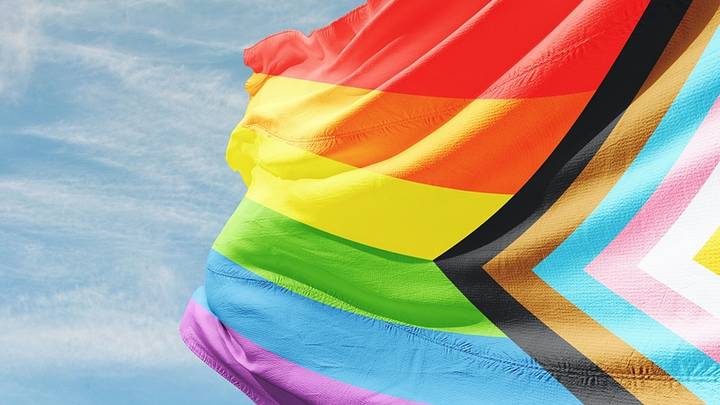
LGBTQ+ is an acronym that stands for lesbian, gay, bisexual, transgender, and queer (or sometimes questioning).
Each letter in the LGBTQ+ acronym carries a rich history of generations of struggle and reclamation. There’s a particularly powerful and heartbreaking reason why the “L” comes first in this acronym, though, that has to do with heroic actions taken by lesbians during the height of the AIDS crisis in the 1980s.
Why the “L” Is First: A Legacy of Heroism and Care

Prior to the mid-20th century, non-heterosexual people were typically described simply as “gay.” As conversations around identity and inclusivity deepened, acronyms like “GLB” and “GBLT” developed to describe the queer community in more detail.
According to the American Psychological Association, the acronym was changed to LGBT because in the early days of the AIDS crisis, some healthcare workers and institutions refused to care for AIDS patients, who were often—but not always—gay men. Instead, many lesbians stepped up to offer care for gay men and other people with AIDS.
During the AIDS crisis, many lesbian nurses and caregivers rallied around gay men suffering from the disease, who were often rejected by their families of origin in addition to being refused care. This was particularly common at the start of the crisis, when many people falsely believed the disease could only affect gay men.
Lesbians often advocated for healthcare reforms and worked to raise awareness about AIDS during this devastating time. They organized life-saving blood drives at a time when many gay men were prohibited from donating blood. They also volunteered for hospice care, and offered vital companionship to people at the end of their lives.
Their contributions ultimately led to a more unified queer community. Many activists and organizations also subsequently began placing the “L” before the “G” in “LGBT” in order to pay tribute to lesbians' work during this time.
The History of the LGBTQ+ Acronym

Until the mid-20th century, people attracted to members of the same sex were frequently referred to as “homosexual.” This word originated as a clinical term and was initially most frequently used in a derogatory sense.
“Gay”—a word that meant happy—became more popular in the 1940s and 1950s when, per PBS, it became a code word that gay men used to identify one another. By the 1960s, “gay” was just beginning to become infused with a sense of pride as the LGBTQ+ rights movement gathered momentum.
The word “lesbian,” meanwhile, actually predates the word “gay” by thousands of years. The word literally means “someone from the Greek island of Lesbos.” Over the years, it became associated with Sappho, the female poet who lived on the island of Lesbos around 600 BCE and wrote aching love poems clearly dedicated to women. The term “lesbian” was first used to describe homosexual women in the 1800s, and it also became popular in the 1960s.
Additionally, while evidence of people who either changed genders or did not align with one particular gender dates back thousands of years and spans cultures, the word “transgender” first emerged in 1971.
In more recent years, the LGBTQ+ acronym has continued to grow and evolve to encompass a diverse array of identities. The “Q” stands for either “queer”—an umbrella term that describes anyone whose gender or sexual identity falls outside of the societal standard—or “questioning,” which signifies anyone who isn’t yet sure where on this spectrum they fall.
Ultimately, the fact that the “L” is first is a powerful reminder of the networks of care that have frequently sustained queer communities over the years, often providing vital support especially when families of origin are not as accepting. Today, it remains an example of the power of solidarity in the face of struggle and discrimination.