%20%20--%3E%0A%3Csvg%20version%3D%221.1%22%20id%3D%22Layer_1%22%20xmlns%3D%22http%3A%2F%2Fwww.w3.org%2F2000%2Fsvg%22%20xmlns%3Axlink%3D%22http%3A%2F%2Fwww.w3.org%2F1999%2Fxlink%22%20x%3D%220px%22%20y%3D%220px%22%0A%09%20viewBox%3D%220%200%20684.6%2068.1%22%20style%3D%22enable-background%3Anew%200%200%20684.6%2068.1%3B%22%20xml%3Aspace%3D%22preserve%22%3E%0A%3Cg%3E%0A%09%3Cpath%20d%3D%22M444.1%2C29.3h-17.4v14.5h17.4V29.3z%20M36.4%2C68.1l29.3-50.8V0H50.4L32.9%2C36.8L15.5%2C0H0v68.1h16.7V45.8l12.4%2C22.3H36.4z%0A%09%09%20M49.1%2C68.1h16.6V23.4L49.1%2C52.1V68.1z%20M76.6%2C68.1h45V53.8H93.3V41.6h21V27.1h-21V14.8h28.3V0.1h-45V68.1z%20M175.6%2C68.1h17.3v-68%0A%09%09h-16.5v40.3L150%2C0.1h-17.6v68h16.7V27.7L175.6%2C68.1z%20M235.8%2C14.8h15.4V0.1h-47.4v14.7H219v53.2h16.8V14.8z%20M290.3%2C45.9h-17.1%0A%09%09l7.5-15.6h2L290.3%2C45.9z%20M298.7%2C68.1h18l-32.2-68h-5.7l-32%2C68h18l3.3-7.1h27.1L298.7%2C68.1z%20M325.2%2C68.1h46.2V53.8h-29.6V0.1h-16.7%0A%09%09V68.1z%20M423.7%2C14.8h27.2V0.1H407v68h16.7V14.8z%20M462%2C68.1h46.2V53.8h-29.6V0.1H462V68.1z%20M564.8%2C34.1c0%2C10.7-7.2%2C19.2-18.5%2C19.2%0A%09%09c-11.4%2C0-18.5-8.5-18.5-19.2s7.1-19.2%2C18.5-19.2C557.6%2C14.9%2C564.8%2C23.4%2C564.8%2C34.1%20M580.6%2C34.1c0-19-14.2-34-34.3-34%0A%09%09c-20.2%2C0-34.3%2C15-34.3%2C34c0%2C19%2C14.1%2C34%2C34.3%2C34C566.4%2C68.1%2C580.6%2C53.1%2C580.6%2C34.1%20M604.8%2C20.5c0-4.1%2C3.3-6.2%2C6.7-6.2%0A%09%09c4.4%2C0%2C6.6%2C3%2C6.6%2C6.6h14.7C631.8%2C9.1%2C625.1%2C0.1%2C611%2C0.1c-12%2C0-21.7%2C9.3-21.7%2C20.6c0%2C10.9%2C5.9%2C15.9%2C16.7%2C19.8%0A%09%09c5.2%2C1.8%2C11.5%2C3.2%2C11.5%2C8c0%2C3.3-2.4%2C5.5-6.4%2C5.5c-3.6%2C0-6.6-3-6.6-6.7h-15.2c0%2C11.5%2C7.9%2C20.8%2C21.8%2C20.8c12%2C0%2C21.6-9.3%2C21.6-20.6%0A%09%09c0-10-5.3-16.4-16.7-19.8C610.6%2C26.1%2C604.8%2C25.3%2C604.8%2C20.5%20M670%2C20.9h14.7C683.8%2C9.1%2C677.1%2C0.1%2C663%2C0.1c-12%2C0-21.7%2C9.3-21.7%2C20.6%0A%09%09c0%2C10.9%2C5.9%2C15.9%2C16.7%2C19.8c5.2%2C1.8%2C11.5%2C3.2%2C11.5%2C8c0%2C3.3-2.4%2C5.5-6.4%2C5.5c-3.6%2C0-6.6-3-6.6-6.7h-15.2c0%2C11.5%2C7.9%2C20.8%2C21.8%2C20.8%0A%09%09c12%2C0%2C21.6-9.3%2C21.6-20.6c0-10-5.3-16.4-16.7-19.8c-5.4-1.6-11.3-2.4-11.3-7.2c0-4.1%2C3.3-6.2%2C6.7-6.2C667.7%2C14.4%2C670%2C17.3%2C670%2C20.9%0A%09%09%22%2F%3E%0A%3C%2Fg%3E%0A%3C%2Fsvg%3E%0A)

Fall arrives every year in the Northern Hemisphere between September 21 and 24. In many places in the world, this season brings with it cooler temperatures, earlier evenings, and leaves that turn various magnificent shades of orange and gold. At the same time, autumn's arrival often signals that the earth will soon begin to wither, transforming from green and fruitful to barren and snowy.
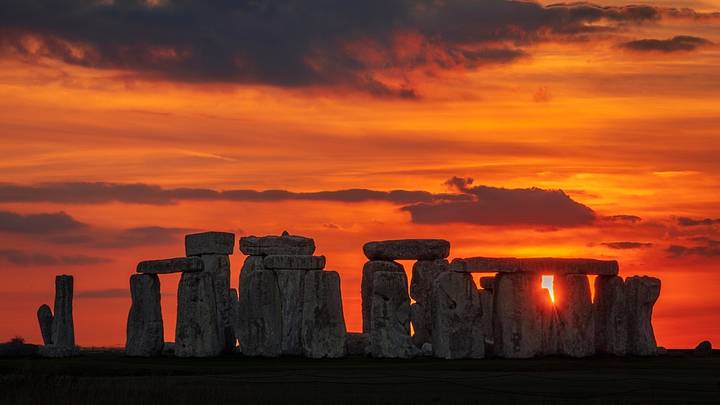
Across time, cultures have celebrated this seasonal shift with various rites, rituals, and traditions. Many of these have been lost, though some evidence that the equinox has been honored since ancient times remains. According to archaeologists, sites like England's Stonehenge, Ireland's Newgrange, and Alberta, Canada's Majorville Medicine Wheel may have been used to predict the dates of the equinoxes and solstices by tracking the sun's movements.
Historically, the autumn equinox has long coincided with the year’s final harvest. Across the world, it is seen as a time to celebrate and honor the land's abundance while gathering strength and resources for the cold winter ahead. Here are some equinox rituals celebrated by ancient and modern peoples alike.
- Haustblót
- China - Mid-Autumn Festival
- Poland - Dożynki
- Japan - Higan
- Thesmophoria - Ancient Greece
- Michaelmas
- Mabon
- Mexico - Chichen Itza
Haustblót
This Old Norse tradition translates to “autumn sacrifice.” It was celebrated around the time of the final harvest, and though its exact date is not certain, it likely took place around late September as harvests wrapped up. It was a time of giving thanks for the year's bounty and asking the gods for a peaceful winter ahead. People often sacrificed and feasted on animals, honored their ancestors, and petitioned gods like Freyr, the God of harvests, sunshine, and rain, and his twin sister, Freyja, the goddess of abundance, love, and fertility. Today, this holiday is celebrated in various forms by many modern pagans.
China - Mid-Autumn Festival

Also known as the Moon Festival, this holiday takes place on the 15th day of the eighth lunar month in China, which typically places it between mid-September and early October. It is typically marked with parades, mooncakes, and family gatherings. It is celebrated in many Asian countries, including Singapore, Malaysia, and Korea, albeit under different names. It honors the harvest and the autumn’s fullest, brightest moon, and is a time when families and friends gather to wish each other good luck and to share in joy and delicious treats.
Poland - Dożynki

Poland’s traditional harvest festival is called Dożynki, and it has been celebrated since pagan times. Today it is celebrated at the end of August, but in the old days, it is believed to have been celebrated on the autumn equinox, when it was honored with feasts that celebrated the completion of the harvest season. Today, it remains a popular festival for which people often make wreaths and crowns of corn, flowers, and ribbons, which are worn at the occasion's many festivals, parades, and events.
Japan - Higan

Japanese Buddhists honor both of the year’s equinoxes with twin seven-day festivals called Higan. This word means “the other shore,” and references the passage from the suffering that characterizes worldly existence into enlightenment or nirvana.
This festival is a time of honoring loved ones and of reflecting on how to live a better, kinder life of one’s own. People often visit ancestors’ gravestones and spend time contemplating Buddhist principles of compassion and emptiness during this time. The autumn equinox in Japan is characterized by the growth of Higan-bana, or the bright-red spider lilies that grow all over in this season.
Thesmophoria - Ancient Greece

The ancient Greeks celebrated a large number of festivals in autumn, but one of the largest was Thesmophoria. This extremely secretive festival was restricted to only adult women, and it honored the earth goddess Demeter and her daughter Persephone. It likely occurred in the modern-day month of October.
In general, autumn in ancient Greece was deeply connected to the myth of Persephone. In the myth, Persephone is abducted by Hades, the god of the underworld. While there, she eats pomegranate seeds that prevent her from ever permanently leaving. Her mother Demeter is able to arrange for her to spend part of the year above ground with her, and part of the year underground. According to the story, autumn begins with Persephone’s descent back into the underworld each year. Today, many people still honor Persephone and her story at this time of year.
Michaelmas
Michaelmas is a Catholic celebration that honors the archangel Michael and is celebrated in the West on September 29. It is widely believed that Christians may have placed this holiday near the autumn equinox with the intention of replacing the many pagan festivities that took place at this time. Michaelmas traditionally involved eating blackberries and other seasonal foods and feasting on fattened geese, which were thought to guarantee financial prosperity in the coming year.
Mabon

The Neo-Pagan holiday of Mabon was named after the Welsh god Mabon, though his story has no actual connection to the autumn equinox. In Welsh tradition, Mabon was a god who was abducted as a young child and only later rescued after years in the dark.
Evidence of pre-Christian European equinox festivals is relatively scarce, but it is believed that Druidic cultures and other pagan communities at this time did celebrate this occasion thanks to the existence of structures like Stonehenge and some stories and legends that have been passed down.
This festival, which is one of the eight sabbats of the neo-Pagan Wheel of the Year, celebrates harmony and the balance of darkness and light that occurs on this day. It is often honored with reflection, feasts, outdoor rituals, altar-making, and the like.
Mexico - Chichen Itza

On the spring and fall equinoxes, the late afternoon sun falls in such a way on the ancient Mayan ruin of Chichen Itza that creates the illusion of a feathered serpent moving down the northern staircase. This is believed to symbolize the joining of the underworld, the heavens, and the earth. Thousands of people each year travel to observe this event, which is also believed by some to bless the fall harvest and deliver good health to those who come to witness it.