%20%20--%3E%0A%3Csvg%20version%3D%221.1%22%20id%3D%22Layer_1%22%20xmlns%3D%22http%3A%2F%2Fwww.w3.org%2F2000%2Fsvg%22%20xmlns%3Axlink%3D%22http%3A%2F%2Fwww.w3.org%2F1999%2Fxlink%22%20x%3D%220px%22%20y%3D%220px%22%0A%09%20viewBox%3D%220%200%20684.6%2068.1%22%20style%3D%22enable-background%3Anew%200%200%20684.6%2068.1%3B%22%20xml%3Aspace%3D%22preserve%22%3E%0A%3Cg%3E%0A%09%3Cpath%20d%3D%22M444.1%2C29.3h-17.4v14.5h17.4V29.3z%20M36.4%2C68.1l29.3-50.8V0H50.4L32.9%2C36.8L15.5%2C0H0v68.1h16.7V45.8l12.4%2C22.3H36.4z%0A%09%09%20M49.1%2C68.1h16.6V23.4L49.1%2C52.1V68.1z%20M76.6%2C68.1h45V53.8H93.3V41.6h21V27.1h-21V14.8h28.3V0.1h-45V68.1z%20M175.6%2C68.1h17.3v-68%0A%09%09h-16.5v40.3L150%2C0.1h-17.6v68h16.7V27.7L175.6%2C68.1z%20M235.8%2C14.8h15.4V0.1h-47.4v14.7H219v53.2h16.8V14.8z%20M290.3%2C45.9h-17.1%0A%09%09l7.5-15.6h2L290.3%2C45.9z%20M298.7%2C68.1h18l-32.2-68h-5.7l-32%2C68h18l3.3-7.1h27.1L298.7%2C68.1z%20M325.2%2C68.1h46.2V53.8h-29.6V0.1h-16.7%0A%09%09V68.1z%20M423.7%2C14.8h27.2V0.1H407v68h16.7V14.8z%20M462%2C68.1h46.2V53.8h-29.6V0.1H462V68.1z%20M564.8%2C34.1c0%2C10.7-7.2%2C19.2-18.5%2C19.2%0A%09%09c-11.4%2C0-18.5-8.5-18.5-19.2s7.1-19.2%2C18.5-19.2C557.6%2C14.9%2C564.8%2C23.4%2C564.8%2C34.1%20M580.6%2C34.1c0-19-14.2-34-34.3-34%0A%09%09c-20.2%2C0-34.3%2C15-34.3%2C34c0%2C19%2C14.1%2C34%2C34.3%2C34C566.4%2C68.1%2C580.6%2C53.1%2C580.6%2C34.1%20M604.8%2C20.5c0-4.1%2C3.3-6.2%2C6.7-6.2%0A%09%09c4.4%2C0%2C6.6%2C3%2C6.6%2C6.6h14.7C631.8%2C9.1%2C625.1%2C0.1%2C611%2C0.1c-12%2C0-21.7%2C9.3-21.7%2C20.6c0%2C10.9%2C5.9%2C15.9%2C16.7%2C19.8%0A%09%09c5.2%2C1.8%2C11.5%2C3.2%2C11.5%2C8c0%2C3.3-2.4%2C5.5-6.4%2C5.5c-3.6%2C0-6.6-3-6.6-6.7h-15.2c0%2C11.5%2C7.9%2C20.8%2C21.8%2C20.8c12%2C0%2C21.6-9.3%2C21.6-20.6%0A%09%09c0-10-5.3-16.4-16.7-19.8C610.6%2C26.1%2C604.8%2C25.3%2C604.8%2C20.5%20M670%2C20.9h14.7C683.8%2C9.1%2C677.1%2C0.1%2C663%2C0.1c-12%2C0-21.7%2C9.3-21.7%2C20.6%0A%09%09c0%2C10.9%2C5.9%2C15.9%2C16.7%2C19.8c5.2%2C1.8%2C11.5%2C3.2%2C11.5%2C8c0%2C3.3-2.4%2C5.5-6.4%2C5.5c-3.6%2C0-6.6-3-6.6-6.7h-15.2c0%2C11.5%2C7.9%2C20.8%2C21.8%2C20.8%0A%09%09c12%2C0%2C21.6-9.3%2C21.6-20.6c0-10-5.3-16.4-16.7-19.8c-5.4-1.6-11.3-2.4-11.3-7.2c0-4.1%2C3.3-6.2%2C6.7-6.2C667.7%2C14.4%2C670%2C17.3%2C670%2C20.9%0A%09%09%22%2F%3E%0A%3C%2Fg%3E%0A%3C%2Fsvg%3E%0A)

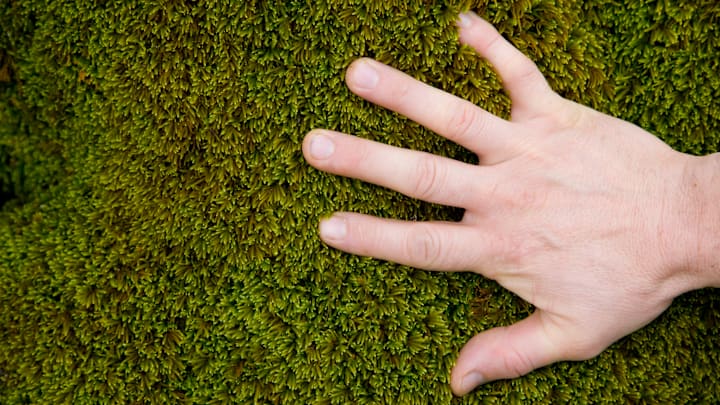
If you’ve ever found yourself scrolling through a particularly infuriating thread of comments online, you might have come across someone interjecting with some version of the words “touch grass.” This term is a popular Gen Z catchphrase that usually simply means it’s time to get offline—though ironically, it’s often said by people who are also chronically on the internet. That said, this little phrase might hint at some possible solutions to an increasingly internet-addicted society’s problems.
What Does "Touch Grass" Mean?

“Touch grass” is most frequently deployed as an insult meant to tell someone it would be a good idea for them to get off the internet, go outside, or otherwise re-engage with reality. It's often directed at anyone who’s perceived to have become too invested in anything from celebrity drama and fandoms to academic research and conspiracy theories.
In general, it’s a pretty condescending comeback in online arguments, and can sometimes simply be a way to insult someone’s intelligence. It can also be a way to bring someone who's getting a little too fired up about something online back to reality. Today, it can either be a slightly belittling insult or a gentle reminder, depending on the context.
Where Did “Touch Grass” Come From?

Like many internet-based Gen Z slang terms, the exact origins of the term “touch grass” are unknown. However, the term is believed to have originated in gaming culture sometime in the mid-to-late 2010s, and likely spawned among gamers who spent countless hours at a time competing, working on their skills, and generally being quite far from any sort of nature or sunlight.
It also began appearing on Twitter as early as 2015, and it entered popular discourse around the pandemic, when many people found themselves with little access to the outside world but more time online than ever. By 2021 it was fully mainstream, and during New York Fashion Week in 2024, the clothing brand Collina Strada launched a show called "Touch Grass" that featured models strutting across a piece of greenery in the East Village.
The show was inspired by the sense of peace and grounding that nature can create, designer Hillary Taymour told Vogue. “There’s a lot of chaotic energy with everything that’s happening on the planet … I’m just trying to be grateful that I have a small, healthy business; trying to find inner peace, keep a smile on my face, and not get overwhelmed," she said.
The Deeper Meaning of “Touch Grass”

Throwing out the term “touch grass” might be an easy way to take the steam out of an argument online, but it also connects to deeper insecurities about the dangers of social media and the importance of connecting to nature.
Research has shown that excessive internet use may be a growing problem. Some studies suggest that many members of Gen Z often spend over eight or nine hours per day on their smartphones, and other studies have found that the average internet user spends roughly two to three hours each day on social media. Extensive research has identified possible links between social media and depression, anxiety, and other ailments, and Meta, TikTok, and other social media platforms have faced lawsuits over their role in allegedly causing harm to young people.
Interestingly, actually touching grass might be a very powerful solution to some of these issues. Research has shown that spending time in nature can have myriad health benefits, from improving heart health and cognitive function to enhancing sleep, mental health, and much more.
In Japan, the term Shinrin-yoku, or forest bathing, describes the act of spending time away from devices in the forest. This practice is often suggested as a cure for various mental health issues, and studies have shown that it can lower cortisol, a hormone that causes stress.

Another study found that listening to recordings of nature sounds might reduce pain, enhance mood, and more. Additionally, literally touching grass by physically putting your feet on the ground—a practice called grounding—might have health benefits ranging from reducing inflammation to improving blood flow, though research is still in its early stages. And anyone who has shut off their phone after an hours-long doomscrolling binge, only to feel reborn after stepping outside for a short walk, can likely attest to nature's ability to be a source of healing and peace.
In short, spending time offline and in nature—or taking “touching grass” literally—could be a powerful antidote to a high-speed culture that often doesn’t provide time to truly connect with the earth or the present moment. Maybe we all really do need to touch a little more grass.