%20%20--%3E%0A%3Csvg%20version%3D%221.1%22%20id%3D%22Layer_1%22%20xmlns%3D%22http%3A%2F%2Fwww.w3.org%2F2000%2Fsvg%22%20xmlns%3Axlink%3D%22http%3A%2F%2Fwww.w3.org%2F1999%2Fxlink%22%20x%3D%220px%22%20y%3D%220px%22%0A%09%20viewBox%3D%220%200%20684.6%2068.1%22%20style%3D%22enable-background%3Anew%200%200%20684.6%2068.1%3B%22%20xml%3Aspace%3D%22preserve%22%3E%0A%3Cg%3E%0A%09%3Cpath%20d%3D%22M444.1%2C29.3h-17.4v14.5h17.4V29.3z%20M36.4%2C68.1l29.3-50.8V0H50.4L32.9%2C36.8L15.5%2C0H0v68.1h16.7V45.8l12.4%2C22.3H36.4z%0A%09%09%20M49.1%2C68.1h16.6V23.4L49.1%2C52.1V68.1z%20M76.6%2C68.1h45V53.8H93.3V41.6h21V27.1h-21V14.8h28.3V0.1h-45V68.1z%20M175.6%2C68.1h17.3v-68%0A%09%09h-16.5v40.3L150%2C0.1h-17.6v68h16.7V27.7L175.6%2C68.1z%20M235.8%2C14.8h15.4V0.1h-47.4v14.7H219v53.2h16.8V14.8z%20M290.3%2C45.9h-17.1%0A%09%09l7.5-15.6h2L290.3%2C45.9z%20M298.7%2C68.1h18l-32.2-68h-5.7l-32%2C68h18l3.3-7.1h27.1L298.7%2C68.1z%20M325.2%2C68.1h46.2V53.8h-29.6V0.1h-16.7%0A%09%09V68.1z%20M423.7%2C14.8h27.2V0.1H407v68h16.7V14.8z%20M462%2C68.1h46.2V53.8h-29.6V0.1H462V68.1z%20M564.8%2C34.1c0%2C10.7-7.2%2C19.2-18.5%2C19.2%0A%09%09c-11.4%2C0-18.5-8.5-18.5-19.2s7.1-19.2%2C18.5-19.2C557.6%2C14.9%2C564.8%2C23.4%2C564.8%2C34.1%20M580.6%2C34.1c0-19-14.2-34-34.3-34%0A%09%09c-20.2%2C0-34.3%2C15-34.3%2C34c0%2C19%2C14.1%2C34%2C34.3%2C34C566.4%2C68.1%2C580.6%2C53.1%2C580.6%2C34.1%20M604.8%2C20.5c0-4.1%2C3.3-6.2%2C6.7-6.2%0A%09%09c4.4%2C0%2C6.6%2C3%2C6.6%2C6.6h14.7C631.8%2C9.1%2C625.1%2C0.1%2C611%2C0.1c-12%2C0-21.7%2C9.3-21.7%2C20.6c0%2C10.9%2C5.9%2C15.9%2C16.7%2C19.8%0A%09%09c5.2%2C1.8%2C11.5%2C3.2%2C11.5%2C8c0%2C3.3-2.4%2C5.5-6.4%2C5.5c-3.6%2C0-6.6-3-6.6-6.7h-15.2c0%2C11.5%2C7.9%2C20.8%2C21.8%2C20.8c12%2C0%2C21.6-9.3%2C21.6-20.6%0A%09%09c0-10-5.3-16.4-16.7-19.8C610.6%2C26.1%2C604.8%2C25.3%2C604.8%2C20.5%20M670%2C20.9h14.7C683.8%2C9.1%2C677.1%2C0.1%2C663%2C0.1c-12%2C0-21.7%2C9.3-21.7%2C20.6%0A%09%09c0%2C10.9%2C5.9%2C15.9%2C16.7%2C19.8c5.2%2C1.8%2C11.5%2C3.2%2C11.5%2C8c0%2C3.3-2.4%2C5.5-6.4%2C5.5c-3.6%2C0-6.6-3-6.6-6.7h-15.2c0%2C11.5%2C7.9%2C20.8%2C21.8%2C20.8%0A%09%09c12%2C0%2C21.6-9.3%2C21.6-20.6c0-10-5.3-16.4-16.7-19.8c-5.4-1.6-11.3-2.4-11.3-7.2c0-4.1%2C3.3-6.2%2C6.7-6.2C667.7%2C14.4%2C670%2C17.3%2C670%2C20.9%0A%09%09%22%2F%3E%0A%3C%2Fg%3E%0A%3C%2Fsvg%3E%0A)

In 1798, New York City was struck by an outbreak of yellow fever. The disease had become an epidemic across much of New England in the first half of the decade, ever since an earlier outbreak in 1793 had killed upwards of 5,000 people in Philadelphia—more than 10% of the city’s entire population. But with cases of the disease now being reported in the middle of downtown Manhattan, many local families decided to take drastic measures.
At the time, the true cause of yellow fever (now known to be infected mosquitoes) was unclear, prompting residents and physicians alike to blame everything from rotten shipments of West Indian coffee to infected bedsheets and stagnant air. The available treatments were just as bizarre, and just as misguided; during the Philadelphia outbreak, physicians treated their patients with what became known as “heroic medicine,” consisting of a combination of bloodletting and quantities of mercury. There was, however, one method of dealing with the disease that was all but guaranteed to work: escaping the city altogether.
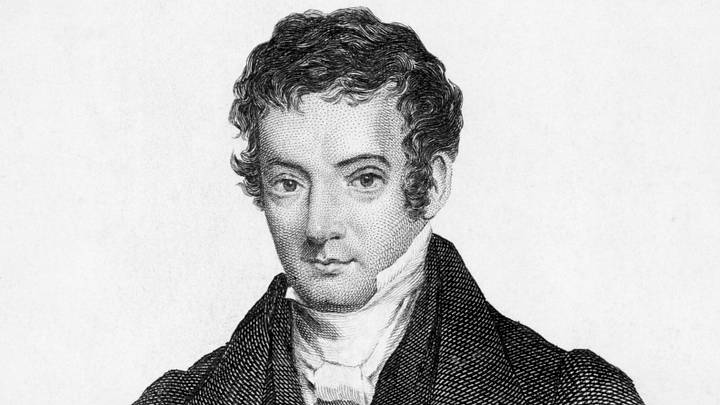
At least one New York family who were in a position to do just that was the family of 15-year-old Washington Irving, whose parents arranged for him to leave the city and head 20 miles upriver to stay with his friend James Kirke Paulding in Tarrytown. (Paulding’s sister, Julia, had married Irving’s eldest brother, William, five years earlier.) Irving’s parents remained behind, leaving their teenage son alone to effectively start a new and rather more rustic life for himself on the outskirts of the city. What was doubtless a period of considerable difficulty and upheaval, however, ended up birthing one of the first truly great folk stories in American literature.
Let's learn more about Irving's teenage adventures that inspired The Legend of Sleepy Hollow.
Hudson Valley Days: Irving’s Teenage Awakening

Although he reportedly retained an urbane New Yorker’s outlook on life, Irving soon took to Tarrytown and found the people, landscape, and folklore of the town hugely inspiring. He would walk the banks of the Hudson River, explore the countryside, go hunting in the hills and fields around the town, and visit local farms and neighboring villages, many of which were populated by Dutch-born or Dutch-descent people. In fact, a local church still held its services in Dutch, and there was considerably more open anti-British sentiment than Irving was used to in the city, yet he nonetheless found himself at home.
At least one of the Dutch villages Irving explored as a teenager was named Slapershaven, or “Sleepers’ Haven”—a name that would doubtless go on to inspire Irving when he created the (at that time fictional) town of Sleepy Hollow in his 1820 short story, The Legend of Sleepy Hollow. Nor was that the only influence from Irving’s adventures in the countryside that he would find a use for in his work.
Myths, Memories, and a Legend is Born

Local legends around Tarrytown, for instance, spoke of a Hessian soldier during the Battle of White Plains who was decapitated by an errant cannonball in the winter of 1776. (“A shot … took off the head of a Hessian artilleryman,” wrote Major General William Heath in his memoir of the Revolutionary War.) According to Tarrytown lore, the soldier was supposedly buried nearby in an unmarked grave, without his head, as no one was able to identify him.
The old Dutch church in the area also featured in Irving’s story, as did the famous covered bridge which took people across the churchyard. (Sadly, the original is no longer standing.) Local gravestones carried the names of real-life figures named Catrina Van Tassell and Abraham Martling—a local blacksmith, known for riding a huge black horse, whom Irving turned into the burly Abraham “Brom” Van Brunt in his story.
Even the story’s lead character, Ichabod Crane, was a genuine person: although not from Tarrytown, Crane was a general in the US Army during the Battle of 1812, alongside whom Irving was later stationed at Fort Pike. Presumably Irving took to his fellow soldier’s name just as much as he had to everything else that inspired him in his writing.
Although a New Yorker by birth who had only been sent to Tarrytown out of necessity, Irving eventually became so enamored with the area that he moved there, renovating a dilapidated cottage in the town, which he renamed Sunnyside, where he lived for much of the rest of his life, entertaining family, politicians, and fellow writers alike. He died in his bedroom at the house in 1859, at the age of 76.