%20%20--%3E%0A%3Csvg%20version%3D%221.1%22%20id%3D%22Layer_1%22%20xmlns%3D%22http%3A%2F%2Fwww.w3.org%2F2000%2Fsvg%22%20xmlns%3Axlink%3D%22http%3A%2F%2Fwww.w3.org%2F1999%2Fxlink%22%20x%3D%220px%22%20y%3D%220px%22%0A%09%20viewBox%3D%220%200%20684.6%2068.1%22%20style%3D%22enable-background%3Anew%200%200%20684.6%2068.1%3B%22%20xml%3Aspace%3D%22preserve%22%3E%0A%3Cg%3E%0A%09%3Cpath%20d%3D%22M444.1%2C29.3h-17.4v14.5h17.4V29.3z%20M36.4%2C68.1l29.3-50.8V0H50.4L32.9%2C36.8L15.5%2C0H0v68.1h16.7V45.8l12.4%2C22.3H36.4z%0A%09%09%20M49.1%2C68.1h16.6V23.4L49.1%2C52.1V68.1z%20M76.6%2C68.1h45V53.8H93.3V41.6h21V27.1h-21V14.8h28.3V0.1h-45V68.1z%20M175.6%2C68.1h17.3v-68%0A%09%09h-16.5v40.3L150%2C0.1h-17.6v68h16.7V27.7L175.6%2C68.1z%20M235.8%2C14.8h15.4V0.1h-47.4v14.7H219v53.2h16.8V14.8z%20M290.3%2C45.9h-17.1%0A%09%09l7.5-15.6h2L290.3%2C45.9z%20M298.7%2C68.1h18l-32.2-68h-5.7l-32%2C68h18l3.3-7.1h27.1L298.7%2C68.1z%20M325.2%2C68.1h46.2V53.8h-29.6V0.1h-16.7%0A%09%09V68.1z%20M423.7%2C14.8h27.2V0.1H407v68h16.7V14.8z%20M462%2C68.1h46.2V53.8h-29.6V0.1H462V68.1z%20M564.8%2C34.1c0%2C10.7-7.2%2C19.2-18.5%2C19.2%0A%09%09c-11.4%2C0-18.5-8.5-18.5-19.2s7.1-19.2%2C18.5-19.2C557.6%2C14.9%2C564.8%2C23.4%2C564.8%2C34.1%20M580.6%2C34.1c0-19-14.2-34-34.3-34%0A%09%09c-20.2%2C0-34.3%2C15-34.3%2C34c0%2C19%2C14.1%2C34%2C34.3%2C34C566.4%2C68.1%2C580.6%2C53.1%2C580.6%2C34.1%20M604.8%2C20.5c0-4.1%2C3.3-6.2%2C6.7-6.2%0A%09%09c4.4%2C0%2C6.6%2C3%2C6.6%2C6.6h14.7C631.8%2C9.1%2C625.1%2C0.1%2C611%2C0.1c-12%2C0-21.7%2C9.3-21.7%2C20.6c0%2C10.9%2C5.9%2C15.9%2C16.7%2C19.8%0A%09%09c5.2%2C1.8%2C11.5%2C3.2%2C11.5%2C8c0%2C3.3-2.4%2C5.5-6.4%2C5.5c-3.6%2C0-6.6-3-6.6-6.7h-15.2c0%2C11.5%2C7.9%2C20.8%2C21.8%2C20.8c12%2C0%2C21.6-9.3%2C21.6-20.6%0A%09%09c0-10-5.3-16.4-16.7-19.8C610.6%2C26.1%2C604.8%2C25.3%2C604.8%2C20.5%20M670%2C20.9h14.7C683.8%2C9.1%2C677.1%2C0.1%2C663%2C0.1c-12%2C0-21.7%2C9.3-21.7%2C20.6%0A%09%09c0%2C10.9%2C5.9%2C15.9%2C16.7%2C19.8c5.2%2C1.8%2C11.5%2C3.2%2C11.5%2C8c0%2C3.3-2.4%2C5.5-6.4%2C5.5c-3.6%2C0-6.6-3-6.6-6.7h-15.2c0%2C11.5%2C7.9%2C20.8%2C21.8%2C20.8%0A%09%09c12%2C0%2C21.6-9.3%2C21.6-20.6c0-10-5.3-16.4-16.7-19.8c-5.4-1.6-11.3-2.4-11.3-7.2c0-4.1%2C3.3-6.2%2C6.7-6.2C667.7%2C14.4%2C670%2C17.3%2C670%2C20.9%0A%09%09%22%2F%3E%0A%3C%2Fg%3E%0A%3C%2Fsvg%3E%0A)

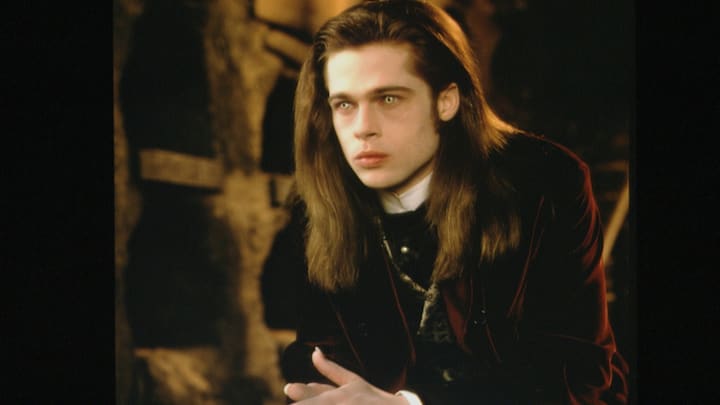
Anne Rice’s Interview with the Vampire revolutionized the horror genre when it was published in 1976. The book resonated with many thanks to its introspective and nuanced take on vampires, and helped kick off a wave of books that gave their monstrous protagonists a sense of complexity and profound humanness.
Vampires have existed in folklore for a very long time. Early vampires were always the subject of tales about terrifying monsters and sudden, brutal deaths, and like many monsters in early folktales, these creatures were easy ways to explain tragedy, violence, and death.
Formative 19th-century stories like John Polidori’s The Vampyre—which was written as part of the same ghost story competition that inspired Mary Shelley to write Frankenstein—helped establish an association between vampires and aristocracy, seduction, and manipulation. But it was Bram Stoker’s Dracula that truly helped establish the traditional vampire archetype, developing a vampire who was intelligent, wealthy, and completely ruthless.
Rice’s Interview sparked a sea change in vampire and monster literature on the whole by giving voice to Louis, a vampire plagued by his conscience and tormented by his ostracization from society. Ever since then, vampires have been frequently portrayed as much more than horrifying creatures of the night—and often, in contemporary literature, they’ve been love interests endowed with rich and sympathetic inner worlds of their own. Here are four books that owe a great deal to Rice’s classic tale.
- The Twilight Saga by Stephenie Meyer
- The Vampire Diaries by L. J. Smith
- The Southern Vampire Mysteries by Charlaine Harris
- The Vampire Lestat by Anne Rice
The Twilight Saga by Stephenie Meyer

These books may not be everyone’s cup of tea, but it’s undeniable that the series made waves and kicked off an absolute vampire craze in the late 2000s and 2010s. The Twilight Saga tells the story of Bella, a human teenager who falls for a centuries-old vampire named Edward who survives on animal meat and has to constantly stave off cravings for Bella’s blood.
It’s easy to see these books’ parallels to Interview with the Vampire. Edward and his family bear a significant resemblance to Rice’s brooding, melancholy, and elegant vampires, especially when it comes to their existential struggles with immortality and their decision to eat animals instead of humans, a choice Louis also makes in Interview. Bella and Edward’s tortured romance also clearly echoes the longing and desire threaded throughout Rice’s text. If Interview injected its characters with elements of eroticism, Twilight built on that by making vampires into teenage dreamboats.
The Vampire Diaries by L. J. Smith

This series, which was made into a successful television show, echo Interview with the Vampire’s central dichotomy by featuring two vampires: Stefan, who tries to be ethical and controlled and fends off his dark side, and Damon, who is an impulsive and dangerous rebel at the start of the series. Their duality clearly resembles Louis and Lestat in Interview with the Vampire, as the former is constantly trying to control himself while Lestat is perpetually wreaking havoc, causing chaos, and indulging his desires.
The Southern Vampire Mysteries by Charlaine Harris

These books, which were the source material for the TV series True Blood, told the story of a Southern town that becomes divided when vampires decide to “come out of the closet” and reveal their existence. Here, vampires survive off a synthetic, bottled beverage that simulates human blood, and they clearly take some inspiration from Interview with the Vampire’s embattled subjects.
In this series, protagonist Sookie Stackhouse is forced to navigate her affections for the highly ethical, brooding vampire Bill Compton amid all sorts of supernatural interferences. This series’s emphasis on vampires’ ability to be compassionate and ethical in the face of great prejudice and hatred—and their struggles with doing just that—echo the complexity that Rice conceptualized in Interview with the Vampire.
The Vampire Lestat by Anne Rice

Interview with the Vampire was the first in a sprawling series, the second of which took a closer look at the character Lestat. From there, the following books describe everything from the origins of vampires in Rice’s universe to crossovers with characters from Mayfair Witches, another one of Rice’s bestselling creations.
Along the way, she brings in everyone from body-swappers to the Devil himself. While the series’ first three books are its most popular and highly praised, devoted fans who read them all are in for a sweeping treat that certainly would not exist if Rice hadn’t poured her grief into one of the most influential horror novels of all time.