%20%20--%3E%0A%3Csvg%20version%3D%221.1%22%20id%3D%22Layer_1%22%20xmlns%3D%22http%3A%2F%2Fwww.w3.org%2F2000%2Fsvg%22%20xmlns%3Axlink%3D%22http%3A%2F%2Fwww.w3.org%2F1999%2Fxlink%22%20x%3D%220px%22%20y%3D%220px%22%0A%09%20viewBox%3D%220%200%20684.6%2068.1%22%20style%3D%22enable-background%3Anew%200%200%20684.6%2068.1%3B%22%20xml%3Aspace%3D%22preserve%22%3E%0A%3Cg%3E%0A%09%3Cpath%20d%3D%22M444.1%2C29.3h-17.4v14.5h17.4V29.3z%20M36.4%2C68.1l29.3-50.8V0H50.4L32.9%2C36.8L15.5%2C0H0v68.1h16.7V45.8l12.4%2C22.3H36.4z%0A%09%09%20M49.1%2C68.1h16.6V23.4L49.1%2C52.1V68.1z%20M76.6%2C68.1h45V53.8H93.3V41.6h21V27.1h-21V14.8h28.3V0.1h-45V68.1z%20M175.6%2C68.1h17.3v-68%0A%09%09h-16.5v40.3L150%2C0.1h-17.6v68h16.7V27.7L175.6%2C68.1z%20M235.8%2C14.8h15.4V0.1h-47.4v14.7H219v53.2h16.8V14.8z%20M290.3%2C45.9h-17.1%0A%09%09l7.5-15.6h2L290.3%2C45.9z%20M298.7%2C68.1h18l-32.2-68h-5.7l-32%2C68h18l3.3-7.1h27.1L298.7%2C68.1z%20M325.2%2C68.1h46.2V53.8h-29.6V0.1h-16.7%0A%09%09V68.1z%20M423.7%2C14.8h27.2V0.1H407v68h16.7V14.8z%20M462%2C68.1h46.2V53.8h-29.6V0.1H462V68.1z%20M564.8%2C34.1c0%2C10.7-7.2%2C19.2-18.5%2C19.2%0A%09%09c-11.4%2C0-18.5-8.5-18.5-19.2s7.1-19.2%2C18.5-19.2C557.6%2C14.9%2C564.8%2C23.4%2C564.8%2C34.1%20M580.6%2C34.1c0-19-14.2-34-34.3-34%0A%09%09c-20.2%2C0-34.3%2C15-34.3%2C34c0%2C19%2C14.1%2C34%2C34.3%2C34C566.4%2C68.1%2C580.6%2C53.1%2C580.6%2C34.1%20M604.8%2C20.5c0-4.1%2C3.3-6.2%2C6.7-6.2%0A%09%09c4.4%2C0%2C6.6%2C3%2C6.6%2C6.6h14.7C631.8%2C9.1%2C625.1%2C0.1%2C611%2C0.1c-12%2C0-21.7%2C9.3-21.7%2C20.6c0%2C10.9%2C5.9%2C15.9%2C16.7%2C19.8%0A%09%09c5.2%2C1.8%2C11.5%2C3.2%2C11.5%2C8c0%2C3.3-2.4%2C5.5-6.4%2C5.5c-3.6%2C0-6.6-3-6.6-6.7h-15.2c0%2C11.5%2C7.9%2C20.8%2C21.8%2C20.8c12%2C0%2C21.6-9.3%2C21.6-20.6%0A%09%09c0-10-5.3-16.4-16.7-19.8C610.6%2C26.1%2C604.8%2C25.3%2C604.8%2C20.5%20M670%2C20.9h14.7C683.8%2C9.1%2C677.1%2C0.1%2C663%2C0.1c-12%2C0-21.7%2C9.3-21.7%2C20.6%0A%09%09c0%2C10.9%2C5.9%2C15.9%2C16.7%2C19.8c5.2%2C1.8%2C11.5%2C3.2%2C11.5%2C8c0%2C3.3-2.4%2C5.5-6.4%2C5.5c-3.6%2C0-6.6-3-6.6-6.7h-15.2c0%2C11.5%2C7.9%2C20.8%2C21.8%2C20.8%0A%09%09c12%2C0%2C21.6-9.3%2C21.6-20.6c0-10-5.3-16.4-16.7-19.8c-5.4-1.6-11.3-2.4-11.3-7.2c0-4.1%2C3.3-6.2%2C6.7-6.2C667.7%2C14.4%2C670%2C17.3%2C670%2C20.9%0A%09%09%22%2F%3E%0A%3C%2Fg%3E%0A%3C%2Fsvg%3E%0A)

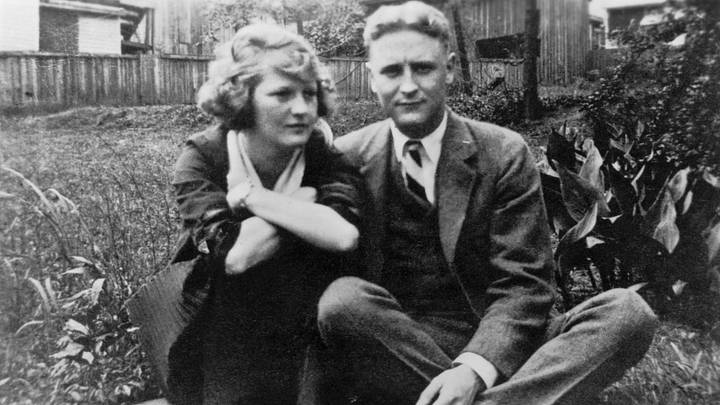
It's a sad and sobering truth that the list of writers, painters, poets, and musicians who achieved little recognition or financial reward during their lifetimes, yet have gone on to become widely celebrated, is not a short one. It seems incredible now to imagine that, during his lifetime, one of America's greatest writers, F. Scott Fitzgerald, also struggled financially for a large portion of his later life, and it was only following his untimely passing that his work began to enjoy the lasting acclaim it deserves.
Perhaps even more tragically, the novel that the author considered his greatest achievement was met by the wider world largely with disappointment.
Fitzgerald Before the Fame
Francis Scott Key Fitzgerald was born in 1896 in Saint Paul, Minnesota. His family was middle class. His father, Edward, was a furniture maker and later a salesman. He also sadly suffered from alcoholism, but an inheritance gifted to Fitzgerald's mother, Mary, kept the family afloat. The young Fitzgerald led an eventful life, enrolling at Princeton University; he fell in love with Ginevra King, whose wealthy family ultimately curtailed the relationship.
Heartbroken, Fitzgerald enrolled in the army, hoping to find death in the trenches of the First World War. By 1919, he was living in New York City, barely scratching a living as a copywriter whilst submitting his short stories to publishers. Fitzgerald only sold one story, receiving over 100 rejections.
The Road to Tender Is the Night

Fitzgerald moved back to Saint Paul that same year and was working repairing car roofs when the news came that his debut novel, This Side of Paradise, which charted the fortunes of young Americans during the great "Jazz Age," had been accepted by the publisher, Scribner's. Published in 1920, This Side of Paradise proved a success. That same year, Fitzgerald married his new love, Zelda Sayre. The Beautiful and the Damned followed in 1922, and The Great Gatsby in 1925.
Fitzgerald had become a household name, yet it took him nine hard years to write his next novel, Tender Is the Night. During this time, the health of Sayre, who suffered from severe mental health problems, declined rapidly. Fitzgerald himself succumbed to alcoholism. Nevertheless, he continued working on Tender Is the Night, and he was optimistic. Speaking to a friend in 1933, the writer opined: "It's good, good, good. When it's published, people will say that it's good, good, good." Fitzgerald considered the new novel his masterpiece. In an inscription he penned in one copy, gifted to another friend, he wrote: "If you liked The Great Gatsby, for God's sake read this."
A Novel Ahead of Its Time

Unfortunately, whilst some critics did praise the novel, many damned it outright, viewing its Jazz Age setting and themes as outdated. Apparently, the public agreed, and the book sold poorly. Although Fitzgerald subsequently achieved periods of sobriety, he died of a heart attack in 1940 at the age of just 44. Tender Is the Night has since become an acknowledged classic of American literature.