%20%20--%3E%0A%3Csvg%20version%3D%221.1%22%20id%3D%22Layer_1%22%20xmlns%3D%22http%3A%2F%2Fwww.w3.org%2F2000%2Fsvg%22%20xmlns%3Axlink%3D%22http%3A%2F%2Fwww.w3.org%2F1999%2Fxlink%22%20x%3D%220px%22%20y%3D%220px%22%0A%09%20viewBox%3D%220%200%20684.6%2068.1%22%20style%3D%22enable-background%3Anew%200%200%20684.6%2068.1%3B%22%20xml%3Aspace%3D%22preserve%22%3E%0A%3Cg%3E%0A%09%3Cpath%20d%3D%22M444.1%2C29.3h-17.4v14.5h17.4V29.3z%20M36.4%2C68.1l29.3-50.8V0H50.4L32.9%2C36.8L15.5%2C0H0v68.1h16.7V45.8l12.4%2C22.3H36.4z%0A%09%09%20M49.1%2C68.1h16.6V23.4L49.1%2C52.1V68.1z%20M76.6%2C68.1h45V53.8H93.3V41.6h21V27.1h-21V14.8h28.3V0.1h-45V68.1z%20M175.6%2C68.1h17.3v-68%0A%09%09h-16.5v40.3L150%2C0.1h-17.6v68h16.7V27.7L175.6%2C68.1z%20M235.8%2C14.8h15.4V0.1h-47.4v14.7H219v53.2h16.8V14.8z%20M290.3%2C45.9h-17.1%0A%09%09l7.5-15.6h2L290.3%2C45.9z%20M298.7%2C68.1h18l-32.2-68h-5.7l-32%2C68h18l3.3-7.1h27.1L298.7%2C68.1z%20M325.2%2C68.1h46.2V53.8h-29.6V0.1h-16.7%0A%09%09V68.1z%20M423.7%2C14.8h27.2V0.1H407v68h16.7V14.8z%20M462%2C68.1h46.2V53.8h-29.6V0.1H462V68.1z%20M564.8%2C34.1c0%2C10.7-7.2%2C19.2-18.5%2C19.2%0A%09%09c-11.4%2C0-18.5-8.5-18.5-19.2s7.1-19.2%2C18.5-19.2C557.6%2C14.9%2C564.8%2C23.4%2C564.8%2C34.1%20M580.6%2C34.1c0-19-14.2-34-34.3-34%0A%09%09c-20.2%2C0-34.3%2C15-34.3%2C34c0%2C19%2C14.1%2C34%2C34.3%2C34C566.4%2C68.1%2C580.6%2C53.1%2C580.6%2C34.1%20M604.8%2C20.5c0-4.1%2C3.3-6.2%2C6.7-6.2%0A%09%09c4.4%2C0%2C6.6%2C3%2C6.6%2C6.6h14.7C631.8%2C9.1%2C625.1%2C0.1%2C611%2C0.1c-12%2C0-21.7%2C9.3-21.7%2C20.6c0%2C10.9%2C5.9%2C15.9%2C16.7%2C19.8%0A%09%09c5.2%2C1.8%2C11.5%2C3.2%2C11.5%2C8c0%2C3.3-2.4%2C5.5-6.4%2C5.5c-3.6%2C0-6.6-3-6.6-6.7h-15.2c0%2C11.5%2C7.9%2C20.8%2C21.8%2C20.8c12%2C0%2C21.6-9.3%2C21.6-20.6%0A%09%09c0-10-5.3-16.4-16.7-19.8C610.6%2C26.1%2C604.8%2C25.3%2C604.8%2C20.5%20M670%2C20.9h14.7C683.8%2C9.1%2C677.1%2C0.1%2C663%2C0.1c-12%2C0-21.7%2C9.3-21.7%2C20.6%0A%09%09c0%2C10.9%2C5.9%2C15.9%2C16.7%2C19.8c5.2%2C1.8%2C11.5%2C3.2%2C11.5%2C8c0%2C3.3-2.4%2C5.5-6.4%2C5.5c-3.6%2C0-6.6-3-6.6-6.7h-15.2c0%2C11.5%2C7.9%2C20.8%2C21.8%2C20.8%0A%09%09c12%2C0%2C21.6-9.3%2C21.6-20.6c0-10-5.3-16.4-16.7-19.8c-5.4-1.6-11.3-2.4-11.3-7.2c0-4.1%2C3.3-6.2%2C6.7-6.2C667.7%2C14.4%2C670%2C17.3%2C670%2C20.9%0A%09%09%22%2F%3E%0A%3C%2Fg%3E%0A%3C%2Fsvg%3E%0A)

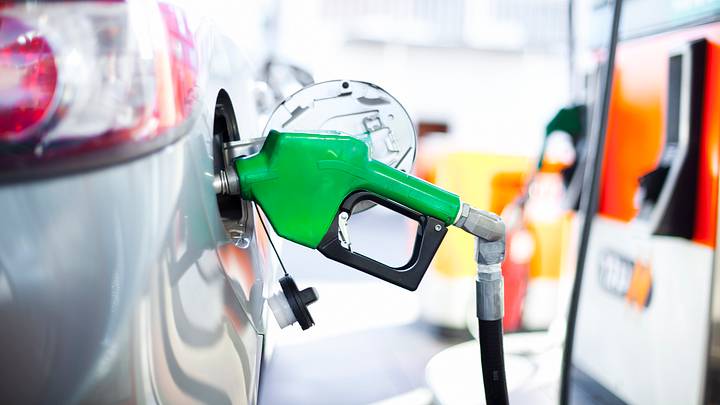
If you've ever pumped gas, you probably recognize the three main features on a gas pump: the nozzle, the handle, and, how can we forget about that little metal latch?
For some, its purpose is obvious; for others, it's just a random piece that dangles below the handle, serving little purpose as they wait for their tank to fill up. Many drivers ignore it, while others appreciate the convenience.
But what is it really there for? And how does it benefit the overall fueling experience?
A LITTLE LATCH, A LOT OF CONVENIENCE

Drivers were not permitted to pump their own gas until 1947. That year, Frank Urich opened the first self-serve gas station in Los Angeles, California, lowering fuel costs since attendants were no longer necessary. 10 years later, the metal latch was added. Then, in 1964, Herb Timms invented remote-access pumps; John Roscoe introduced them across Colorado, and before long, Americans were pumping their own gas.
After a few trips to the gas station, you might begin to wonder about that small metal latch. If you pull the handle up far enough, it drops down and hooks into one of the grooves on the bottom of the pump.
There are typically two grooves for the latch to rest in, letting you pump hands-free. The groove closest to the nozzle will pump gas slowly, while the second groove speeds up the process. Revolutionary!
Thanks to this tiny addition, you can leave the pump in your car without standing there the whole time, watching the gallons and dollar signs rise. Some people might see this function as unnecessary, but others prefer stepping away from the pump and relaxing in their car until they are done fueling, all made possible by the little metal latch. How did we ever live without it?
HOW DOES THE PUMP KNOW WHEN TO SHUT OFF?

This raises the question, "If I put the latch down and abandon the pump while my car is being fueled, will my tank just overflow with gas?" Many of us know the pump turns off before gas would ever spew out of the tank, but how?
Inside the nozzle is a small hole connected to a "mechanical linkage" that knows exactly when to stop the gas. As long as the hole is sucking air, the machine knows your tank requires fuel. But when it senses gasoline, it automatically shuts off. Even if you let go of the handle and let the little metal latch do the pumping for you, you'll never have to worry about the gas overflowing in your absence.
So, what's the verdict? Do you find this little latch helpful, or completely useless when you visit the gas station to fill up your tank?