%20%20--%3E%0A%3Csvg%20version%3D%221.1%22%20id%3D%22Layer_1%22%20xmlns%3D%22http%3A%2F%2Fwww.w3.org%2F2000%2Fsvg%22%20xmlns%3Axlink%3D%22http%3A%2F%2Fwww.w3.org%2F1999%2Fxlink%22%20x%3D%220px%22%20y%3D%220px%22%0A%09%20viewBox%3D%220%200%20684.6%2068.1%22%20style%3D%22enable-background%3Anew%200%200%20684.6%2068.1%3B%22%20xml%3Aspace%3D%22preserve%22%3E%0A%3Cg%3E%0A%09%3Cpath%20d%3D%22M444.1%2C29.3h-17.4v14.5h17.4V29.3z%20M36.4%2C68.1l29.3-50.8V0H50.4L32.9%2C36.8L15.5%2C0H0v68.1h16.7V45.8l12.4%2C22.3H36.4z%0A%09%09%20M49.1%2C68.1h16.6V23.4L49.1%2C52.1V68.1z%20M76.6%2C68.1h45V53.8H93.3V41.6h21V27.1h-21V14.8h28.3V0.1h-45V68.1z%20M175.6%2C68.1h17.3v-68%0A%09%09h-16.5v40.3L150%2C0.1h-17.6v68h16.7V27.7L175.6%2C68.1z%20M235.8%2C14.8h15.4V0.1h-47.4v14.7H219v53.2h16.8V14.8z%20M290.3%2C45.9h-17.1%0A%09%09l7.5-15.6h2L290.3%2C45.9z%20M298.7%2C68.1h18l-32.2-68h-5.7l-32%2C68h18l3.3-7.1h27.1L298.7%2C68.1z%20M325.2%2C68.1h46.2V53.8h-29.6V0.1h-16.7%0A%09%09V68.1z%20M423.7%2C14.8h27.2V0.1H407v68h16.7V14.8z%20M462%2C68.1h46.2V53.8h-29.6V0.1H462V68.1z%20M564.8%2C34.1c0%2C10.7-7.2%2C19.2-18.5%2C19.2%0A%09%09c-11.4%2C0-18.5-8.5-18.5-19.2s7.1-19.2%2C18.5-19.2C557.6%2C14.9%2C564.8%2C23.4%2C564.8%2C34.1%20M580.6%2C34.1c0-19-14.2-34-34.3-34%0A%09%09c-20.2%2C0-34.3%2C15-34.3%2C34c0%2C19%2C14.1%2C34%2C34.3%2C34C566.4%2C68.1%2C580.6%2C53.1%2C580.6%2C34.1%20M604.8%2C20.5c0-4.1%2C3.3-6.2%2C6.7-6.2%0A%09%09c4.4%2C0%2C6.6%2C3%2C6.6%2C6.6h14.7C631.8%2C9.1%2C625.1%2C0.1%2C611%2C0.1c-12%2C0-21.7%2C9.3-21.7%2C20.6c0%2C10.9%2C5.9%2C15.9%2C16.7%2C19.8%0A%09%09c5.2%2C1.8%2C11.5%2C3.2%2C11.5%2C8c0%2C3.3-2.4%2C5.5-6.4%2C5.5c-3.6%2C0-6.6-3-6.6-6.7h-15.2c0%2C11.5%2C7.9%2C20.8%2C21.8%2C20.8c12%2C0%2C21.6-9.3%2C21.6-20.6%0A%09%09c0-10-5.3-16.4-16.7-19.8C610.6%2C26.1%2C604.8%2C25.3%2C604.8%2C20.5%20M670%2C20.9h14.7C683.8%2C9.1%2C677.1%2C0.1%2C663%2C0.1c-12%2C0-21.7%2C9.3-21.7%2C20.6%0A%09%09c0%2C10.9%2C5.9%2C15.9%2C16.7%2C19.8c5.2%2C1.8%2C11.5%2C3.2%2C11.5%2C8c0%2C3.3-2.4%2C5.5-6.4%2C5.5c-3.6%2C0-6.6-3-6.6-6.7h-15.2c0%2C11.5%2C7.9%2C20.8%2C21.8%2C20.8%0A%09%09c12%2C0%2C21.6-9.3%2C21.6-20.6c0-10-5.3-16.4-16.7-19.8c-5.4-1.6-11.3-2.4-11.3-7.2c0-4.1%2C3.3-6.2%2C6.7-6.2C667.7%2C14.4%2C670%2C17.3%2C670%2C20.9%0A%09%09%22%2F%3E%0A%3C%2Fg%3E%0A%3C%2Fsvg%3E%0A)

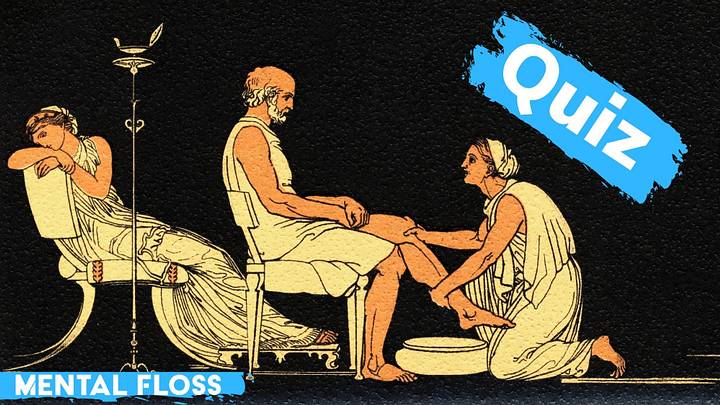
Christopher Nolan’s The Odyssey sailed into theaters on July 17, 2026, offering a fresh spin on characters that are quite literally thousands of years old. Homer’s epic poem was first composed orally around the 7th or 8th century BCE, but it is set hundreds of years before that. Even so, the characters Homer crafted are more than complex and realistic enough to fascinate audiences millennia later. Which ‘Odyssey’ character most aligns with your personality? Find out with the quiz below!
How did you do? No matter what you got, it's important to remember that the characters of the Odyssey are constantly changing and subverting expectations...and you can do the same!
The Characters of the Odyssey

Homer’s Odyssey has persisted for many reasons over the years. It is an extraordinary story of mythology, adventure, war, and moral ambiguity, featuring everything from the multi-headed sea monster Scylla to enchantresses who turn men into pigs. Yet it is also the story of one man’s journey home, and the tale of those who anxiously await him for two decades.
It is this highly human narrative—relatable to anyone who has ever felt separate from a loved one due to work, ambition, or simple distance—that has helped the Odyssey resonate across countless generations. Odysseus and Penelope’s relationship forms the heart of the story, and though the specific nature of the temptations and diversions Odysseus must face has changed over the millennia, the fact of their existence within long-term partnerships largely has not.
Another foundational character in the Odyssey is Odysseus and Penelope’s son Telemachus, who undergoes a classic coming-of-age narrative, growing from immaturity to responsibility over the course of the story. Then there are the suitors who pursue Penelope, including the villainous Antinous, who embodies traits of greed, violence, and sleaziness that absolutely have not gone away in this modern day and age.
Despite Odysseus’ ongoing fame across the centuries, it’s unclear whether he (or many of the characters in the Odyssey) actually existed. We do know that a cult worshiped Odysseus on the real Greek island of Ithaca, though it is unclear if they worshiped Homer’s character or a real leader.
Greek Mythology in the ‘Odyssey’

Homer’s story also draws deeply from Greek mythology, featuring the goddess Athena, the god Poseidon, and many other magical characters and creatures. In The Odyssey, Athena serves as Odysseus’ advisor, helping him after the Trojan War. Meanwhile, Poseidon drives the events of the Odyssey in his quest for vengeance against Odysseus, using his dominion over the sea to curse Odysseus to wander for over a decade.
Odysseus meets a host of other characters from Greek mythology over the course of the Odyssey, including Circe, who is a minor goddess. The daughter of the sun god Helios, she is a powerful sorceress with the ability to transform humans into animals.
Greek mythology is believed to have originated with an oral tradition that began in the Bronze Age, which is the period in which the Odyssey is set. There is no foundational text of Greek mythology, but in 700 BCE, the poet Hesiod’s Theogony became one of the first surviving written texts to detail the characteristics and qualities of the Greek gods and goddesses.
Homer’s Odyssey is a major early work that features Greek mythology, but it depicts gods and goddesses that readers are expected to already be familiar with, and that date back hundreds of years prior to the poem’s codification.
Greek mythology centers around 12 gods and goddesses said to live on Mount Olympus, including Zeus, Hera, Athena, and Poseidon. Each deity ruled over a different element or attribute. It also contains a vast array of monsters, heroes, demigods, and creatures, from the Cyclops to satyrs and beyond.
Many of these gods and creatures are not infallible deities but rather are morally gray and prone to impulsivity, incredible violence, and favoritism. This sense of ambiguity permeates the Odyssey, and has undoubtedly been a major factor in its longevity.