%20%20--%3E%0A%3Csvg%20version%3D%221.1%22%20id%3D%22Layer_1%22%20xmlns%3D%22http%3A%2F%2Fwww.w3.org%2F2000%2Fsvg%22%20xmlns%3Axlink%3D%22http%3A%2F%2Fwww.w3.org%2F1999%2Fxlink%22%20x%3D%220px%22%20y%3D%220px%22%0A%09%20viewBox%3D%220%200%20684.6%2068.1%22%20style%3D%22enable-background%3Anew%200%200%20684.6%2068.1%3B%22%20xml%3Aspace%3D%22preserve%22%3E%0A%3Cg%3E%0A%09%3Cpath%20d%3D%22M444.1%2C29.3h-17.4v14.5h17.4V29.3z%20M36.4%2C68.1l29.3-50.8V0H50.4L32.9%2C36.8L15.5%2C0H0v68.1h16.7V45.8l12.4%2C22.3H36.4z%0A%09%09%20M49.1%2C68.1h16.6V23.4L49.1%2C52.1V68.1z%20M76.6%2C68.1h45V53.8H93.3V41.6h21V27.1h-21V14.8h28.3V0.1h-45V68.1z%20M175.6%2C68.1h17.3v-68%0A%09%09h-16.5v40.3L150%2C0.1h-17.6v68h16.7V27.7L175.6%2C68.1z%20M235.8%2C14.8h15.4V0.1h-47.4v14.7H219v53.2h16.8V14.8z%20M290.3%2C45.9h-17.1%0A%09%09l7.5-15.6h2L290.3%2C45.9z%20M298.7%2C68.1h18l-32.2-68h-5.7l-32%2C68h18l3.3-7.1h27.1L298.7%2C68.1z%20M325.2%2C68.1h46.2V53.8h-29.6V0.1h-16.7%0A%09%09V68.1z%20M423.7%2C14.8h27.2V0.1H407v68h16.7V14.8z%20M462%2C68.1h46.2V53.8h-29.6V0.1H462V68.1z%20M564.8%2C34.1c0%2C10.7-7.2%2C19.2-18.5%2C19.2%0A%09%09c-11.4%2C0-18.5-8.5-18.5-19.2s7.1-19.2%2C18.5-19.2C557.6%2C14.9%2C564.8%2C23.4%2C564.8%2C34.1%20M580.6%2C34.1c0-19-14.2-34-34.3-34%0A%09%09c-20.2%2C0-34.3%2C15-34.3%2C34c0%2C19%2C14.1%2C34%2C34.3%2C34C566.4%2C68.1%2C580.6%2C53.1%2C580.6%2C34.1%20M604.8%2C20.5c0-4.1%2C3.3-6.2%2C6.7-6.2%0A%09%09c4.4%2C0%2C6.6%2C3%2C6.6%2C6.6h14.7C631.8%2C9.1%2C625.1%2C0.1%2C611%2C0.1c-12%2C0-21.7%2C9.3-21.7%2C20.6c0%2C10.9%2C5.9%2C15.9%2C16.7%2C19.8%0A%09%09c5.2%2C1.8%2C11.5%2C3.2%2C11.5%2C8c0%2C3.3-2.4%2C5.5-6.4%2C5.5c-3.6%2C0-6.6-3-6.6-6.7h-15.2c0%2C11.5%2C7.9%2C20.8%2C21.8%2C20.8c12%2C0%2C21.6-9.3%2C21.6-20.6%0A%09%09c0-10-5.3-16.4-16.7-19.8C610.6%2C26.1%2C604.8%2C25.3%2C604.8%2C20.5%20M670%2C20.9h14.7C683.8%2C9.1%2C677.1%2C0.1%2C663%2C0.1c-12%2C0-21.7%2C9.3-21.7%2C20.6%0A%09%09c0%2C10.9%2C5.9%2C15.9%2C16.7%2C19.8c5.2%2C1.8%2C11.5%2C3.2%2C11.5%2C8c0%2C3.3-2.4%2C5.5-6.4%2C5.5c-3.6%2C0-6.6-3-6.6-6.7h-15.2c0%2C11.5%2C7.9%2C20.8%2C21.8%2C20.8%0A%09%09c12%2C0%2C21.6-9.3%2C21.6-20.6c0-10-5.3-16.4-16.7-19.8c-5.4-1.6-11.3-2.4-11.3-7.2c0-4.1%2C3.3-6.2%2C6.7-6.2C667.7%2C14.4%2C670%2C17.3%2C670%2C20.9%0A%09%09%22%2F%3E%0A%3C%2Fg%3E%0A%3C%2Fsvg%3E%0A)

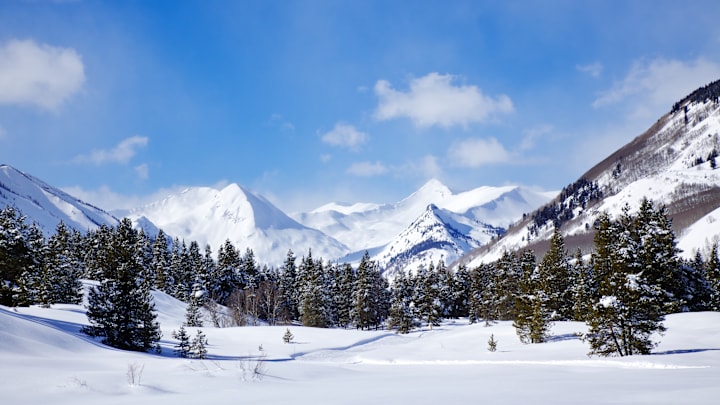
A field covered in newly fallen snow makes for the most pristine setting you’ll ever see. Or, if certain crime shows have taught us anything, this is a scene where you are guaranteed to find the remains of a murder victim.
The following list actually does not contain a single example of someone discovering human remains. Instead, we’ve got some other spooky discoveries that are even weirder.
THE DEADLY CYLINDERS
In December 2001, three men in the country of Georgia went into the woods to gather firewood. They saw two spots, close to each other, where the snow had melted around a metal cylinder. Each cylinder measured 4 inches across and weighed about 20 pounds, and when one of the men lifted one, it was so hot that he dropped it. Each emitted 250 watts of heat, so think of a 1.5-kilowatt space heater and imagine a heat source one-sixth as strong.
They built a fire for the night but also kept the cylinders close for added warmth. They drank vodka, as is normal for such gatherings, and they soon felt sick, far beyond what the vodka could explain. When they returned to their village, one went to a doctor, who suspected he was just drunk.
All three next felt worse symptoms, including rashes and difficulty speaking. Within three weeks, all were hospitalized. One was discharged after a couple of months, another stayed in the hospital for over a year, and the third ended up dying of his illness. All had suffered from radiation sickness because those cylinders contained radioactive strontium-90.
The cylinders had been designed for radioisotope thermoelectric generators, devices that convert heat to electricity. They had originally been intended for radio relays built in the 1980s, but when the Soviet Union fell, the construction projects halted, and people lost track of those cans of strontium.
COSMIC DUST

Our next discovery also involves a radioactive isotope. This one’s iron-60, and unlike those strontium cylinders, there’s nothing at all dangerous about iron-60. There was one thing surprising, however, about this iron-60, which scientists found in the Antarctic snow in 2019. It’s that it must have traveled here from light-years away.
Iron-60 has no way of forming naturally on Earth. If any were here when the Earth was first formed, it should have long decayed by now. So, any iron-60 we find must have either come from manmade nuclear activity (which cannot have happened in this case) or fallen from space.
And when scientists examined the sample to see if this iron dust merely came from elsewhere in the solar system, they found that that’s impossible. If it had, we would have found it with another isotope, manganese-53, in a different ratio than what we observed.
That means this dust must have come from even farther, such as from a different star, having been created in a supernova. As it happens, interstellar dust does fall on the Earth regularly (thousands of tons must fall every year), but scientists had never before found a fresh sample like this.
ZOMBIE BACTERIA
Scientists in 2005 were curious about extremophiles, which are organisms that have evolved to live in extreme conditions, such as very high or very low temperatures. A good spot for investigation was Alaska, specifically a series of tunnels built in Alaska decades earlier for oil pipelines.
Inside the tunnel, the researchers found a mammoth tusk, which is interesting but not strictly what they were looking for. They took samples, in hopes that when they peered closer at the ice in their labs, they’d spot diatoms, which are a type of simple algae. Instead, the samples turned out to contain bacteria that had frozen in the ice, possibly 32,000 years ago.
The bacteria were a new species, which the scientists dubbed Carnobacterium pleistocenium after the Pleistocene epoch, better known as the ice age. If these were just remains of long-dead bacteria, none of this would be so surprising. But once the ice melted, the bacteria started swimming around, as they’d now fully revived. They also functioned much better at room temperature than in the cold where they’d been living, which is not how it’s supposed to work with extremophiles.
In the 20 years since the discovery, we haven’t stumbled on any more Carnobacterium pleistocenium. But the world has gotten warmer, and Arctic ice is thawing, releasing even older microbes into the present day.
BLOOD SNOW
For hundreds of years, explorers have occasionally been baffled to find red spatters in the snow. One account from 1818 led to a detailed scientific investigation, while today, you can find the stuff in places like the North Cascades across Washington state and British Columbia. Some people call the phenomenon “blood snow.” People who feel a little more whimsical call it watermelon snow, as it looks like a snow cone with watermelon syrup.
One theory said the red color comes from iron oxide. Indeed, there is a blood-like feature in Antarctica called the Blood Falls that gets its color from iron oxide, but blood snow turned out to be something different. The red pigment is organic, as it comes from algae.
Most snow contains microbes, but Sanguina algae accumulate in large numbers and become extremely visible. Blood snow looks more dangerous than it actually is and can be eaten safely (some people think it tastes like watermelon, probably because their eyes tricked them into thinking so). This distinguishes it from other phenomena that are dangerous but that you don’t notice at all. Phenomena such as...
MICROPLASTICS
“Microplastics are everywhere,” you might have heard, based on researchers discovering them in various parts of the environment and various parts of your body. In 2025, scientists put this idea to the seemingly ultimate test, checking to see if they could find microplastics in remote sites in Antarctica.
They tested three regions, two on northern parts of the continent and one at the South Pole. In each region, they sampled several sites, including places far from any human camp, where it didn’t seem obvious that any nearby human activity could contaminate the snow. In every single sample, they did find microplastics.
Exactly what effects microplastics have on your health remains a matter of dispute. But this discovery does bring to mind one more story about environmental contamination in the snow. In the 1950s, scientists found elevated levels of lead in snow while in the middle of an investigation to measure the age of the Earth. In the decades that followed, the world phased out leaded gasoline, utterly solving the problem.