%20%20--%3E%0A%3Csvg%20version%3D%221.1%22%20id%3D%22Layer_1%22%20xmlns%3D%22http%3A%2F%2Fwww.w3.org%2F2000%2Fsvg%22%20xmlns%3Axlink%3D%22http%3A%2F%2Fwww.w3.org%2F1999%2Fxlink%22%20x%3D%220px%22%20y%3D%220px%22%0A%09%20viewBox%3D%220%200%20684.6%2068.1%22%20style%3D%22enable-background%3Anew%200%200%20684.6%2068.1%3B%22%20xml%3Aspace%3D%22preserve%22%3E%0A%3Cg%3E%0A%09%3Cpath%20d%3D%22M444.1%2C29.3h-17.4v14.5h17.4V29.3z%20M36.4%2C68.1l29.3-50.8V0H50.4L32.9%2C36.8L15.5%2C0H0v68.1h16.7V45.8l12.4%2C22.3H36.4z%0A%09%09%20M49.1%2C68.1h16.6V23.4L49.1%2C52.1V68.1z%20M76.6%2C68.1h45V53.8H93.3V41.6h21V27.1h-21V14.8h28.3V0.1h-45V68.1z%20M175.6%2C68.1h17.3v-68%0A%09%09h-16.5v40.3L150%2C0.1h-17.6v68h16.7V27.7L175.6%2C68.1z%20M235.8%2C14.8h15.4V0.1h-47.4v14.7H219v53.2h16.8V14.8z%20M290.3%2C45.9h-17.1%0A%09%09l7.5-15.6h2L290.3%2C45.9z%20M298.7%2C68.1h18l-32.2-68h-5.7l-32%2C68h18l3.3-7.1h27.1L298.7%2C68.1z%20M325.2%2C68.1h46.2V53.8h-29.6V0.1h-16.7%0A%09%09V68.1z%20M423.7%2C14.8h27.2V0.1H407v68h16.7V14.8z%20M462%2C68.1h46.2V53.8h-29.6V0.1H462V68.1z%20M564.8%2C34.1c0%2C10.7-7.2%2C19.2-18.5%2C19.2%0A%09%09c-11.4%2C0-18.5-8.5-18.5-19.2s7.1-19.2%2C18.5-19.2C557.6%2C14.9%2C564.8%2C23.4%2C564.8%2C34.1%20M580.6%2C34.1c0-19-14.2-34-34.3-34%0A%09%09c-20.2%2C0-34.3%2C15-34.3%2C34c0%2C19%2C14.1%2C34%2C34.3%2C34C566.4%2C68.1%2C580.6%2C53.1%2C580.6%2C34.1%20M604.8%2C20.5c0-4.1%2C3.3-6.2%2C6.7-6.2%0A%09%09c4.4%2C0%2C6.6%2C3%2C6.6%2C6.6h14.7C631.8%2C9.1%2C625.1%2C0.1%2C611%2C0.1c-12%2C0-21.7%2C9.3-21.7%2C20.6c0%2C10.9%2C5.9%2C15.9%2C16.7%2C19.8%0A%09%09c5.2%2C1.8%2C11.5%2C3.2%2C11.5%2C8c0%2C3.3-2.4%2C5.5-6.4%2C5.5c-3.6%2C0-6.6-3-6.6-6.7h-15.2c0%2C11.5%2C7.9%2C20.8%2C21.8%2C20.8c12%2C0%2C21.6-9.3%2C21.6-20.6%0A%09%09c0-10-5.3-16.4-16.7-19.8C610.6%2C26.1%2C604.8%2C25.3%2C604.8%2C20.5%20M670%2C20.9h14.7C683.8%2C9.1%2C677.1%2C0.1%2C663%2C0.1c-12%2C0-21.7%2C9.3-21.7%2C20.6%0A%09%09c0%2C10.9%2C5.9%2C15.9%2C16.7%2C19.8c5.2%2C1.8%2C11.5%2C3.2%2C11.5%2C8c0%2C3.3-2.4%2C5.5-6.4%2C5.5c-3.6%2C0-6.6-3-6.6-6.7h-15.2c0%2C11.5%2C7.9%2C20.8%2C21.8%2C20.8%0A%09%09c12%2C0%2C21.6-9.3%2C21.6-20.6c0-10-5.3-16.4-16.7-19.8c-5.4-1.6-11.3-2.4-11.3-7.2c0-4.1%2C3.3-6.2%2C6.7-6.2C667.7%2C14.4%2C670%2C17.3%2C670%2C20.9%0A%09%09%22%2F%3E%0A%3C%2Fg%3E%0A%3C%2Fsvg%3E%0A)

Every four years, sports fans tune into the Winter Olympics to watch athletics they don't normally see anywhere else, including bobsledding, ski jumping, and speed skating, to name a few.
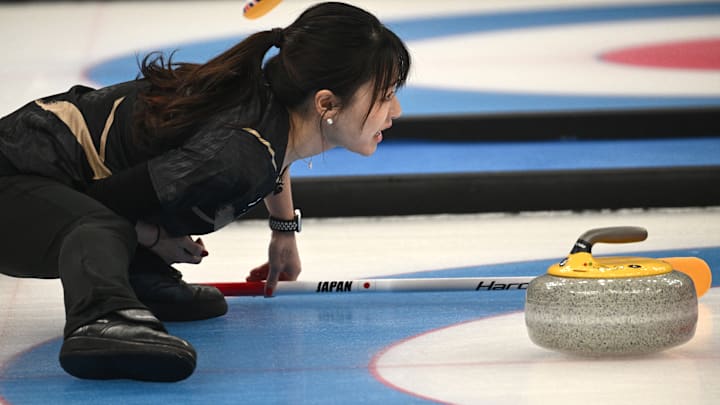
Curling has also become a trending spectator sport during the games with its brooms and curling stones. But what you may not realize is that curlers at the Olympics are very particular about their equipment, especially when it comes to curling stones.
What Is Curling?

Curling is a team sport that has become a fan favorite during the Winter Olympics, with two teams competing against each other, sliding stones made of granite on a sheet of ice towards a target at the other end. Curlers compete in both the Olympic Games and Paralympic Games for women's, men's, mixed doubles, and wheelchair teams.
For each turn, a curler will slide the stone across the ice while directing their teammates to use sweepers that warm up the ice in front of the stone to maximize where they want the stone to slide to get close to the center of the target or knock stones of their opponents out of the target area.
Curlers use several different pieces of equipment specific to the sport, including special shoes for the ice, sweepers to help direct the stone, and the granite curling stones themselves with red or yellow handles to direct the stones.
What’s So Special About Curling Stones?

Curling stones are unique equipment for participants, with all the stones in the Olympics coming from a specific quarry in Scotland.
The granite stones, which weigh between 17.24 and 19.96 kilos or 38 pounds to 44 pounds, come from a small island off Scotland called Ailsa Craig.
The island's granite has been specifically used for curling stones because of its remarkable properties that are perfect for curling compared to other types of granite. The Ailsa Craig granite is one of the hardest in the world, allowing it to maintain its shape when used on the moist, wet ice surface for curling.
The curling stones are made from two different types of granite from the island: blue hone granite and common green granite, to make them easily handle the cold and wet of the ice, as well as to give them the strength to hit other curling stones during play.
All of these features come together to make the stones predictable when curling, giving competitors a good reference on how stones will slide, and making the granite from Ailsa Craig ideal for curlers. In fact, Erika Brown, who was a three-time Olympian for the U.S. women's curling team, told Scientific American in 2014, "No other stone curls like an Ailsa Craig stone.”