%20%20--%3E%0A%3Csvg%20version%3D%221.1%22%20id%3D%22Layer_1%22%20xmlns%3D%22http%3A%2F%2Fwww.w3.org%2F2000%2Fsvg%22%20xmlns%3Axlink%3D%22http%3A%2F%2Fwww.w3.org%2F1999%2Fxlink%22%20x%3D%220px%22%20y%3D%220px%22%0A%09%20viewBox%3D%220%200%20684.6%2068.1%22%20style%3D%22enable-background%3Anew%200%200%20684.6%2068.1%3B%22%20xml%3Aspace%3D%22preserve%22%3E%0A%3Cg%3E%0A%09%3Cpath%20d%3D%22M444.1%2C29.3h-17.4v14.5h17.4V29.3z%20M36.4%2C68.1l29.3-50.8V0H50.4L32.9%2C36.8L15.5%2C0H0v68.1h16.7V45.8l12.4%2C22.3H36.4z%0A%09%09%20M49.1%2C68.1h16.6V23.4L49.1%2C52.1V68.1z%20M76.6%2C68.1h45V53.8H93.3V41.6h21V27.1h-21V14.8h28.3V0.1h-45V68.1z%20M175.6%2C68.1h17.3v-68%0A%09%09h-16.5v40.3L150%2C0.1h-17.6v68h16.7V27.7L175.6%2C68.1z%20M235.8%2C14.8h15.4V0.1h-47.4v14.7H219v53.2h16.8V14.8z%20M290.3%2C45.9h-17.1%0A%09%09l7.5-15.6h2L290.3%2C45.9z%20M298.7%2C68.1h18l-32.2-68h-5.7l-32%2C68h18l3.3-7.1h27.1L298.7%2C68.1z%20M325.2%2C68.1h46.2V53.8h-29.6V0.1h-16.7%0A%09%09V68.1z%20M423.7%2C14.8h27.2V0.1H407v68h16.7V14.8z%20M462%2C68.1h46.2V53.8h-29.6V0.1H462V68.1z%20M564.8%2C34.1c0%2C10.7-7.2%2C19.2-18.5%2C19.2%0A%09%09c-11.4%2C0-18.5-8.5-18.5-19.2s7.1-19.2%2C18.5-19.2C557.6%2C14.9%2C564.8%2C23.4%2C564.8%2C34.1%20M580.6%2C34.1c0-19-14.2-34-34.3-34%0A%09%09c-20.2%2C0-34.3%2C15-34.3%2C34c0%2C19%2C14.1%2C34%2C34.3%2C34C566.4%2C68.1%2C580.6%2C53.1%2C580.6%2C34.1%20M604.8%2C20.5c0-4.1%2C3.3-6.2%2C6.7-6.2%0A%09%09c4.4%2C0%2C6.6%2C3%2C6.6%2C6.6h14.7C631.8%2C9.1%2C625.1%2C0.1%2C611%2C0.1c-12%2C0-21.7%2C9.3-21.7%2C20.6c0%2C10.9%2C5.9%2C15.9%2C16.7%2C19.8%0A%09%09c5.2%2C1.8%2C11.5%2C3.2%2C11.5%2C8c0%2C3.3-2.4%2C5.5-6.4%2C5.5c-3.6%2C0-6.6-3-6.6-6.7h-15.2c0%2C11.5%2C7.9%2C20.8%2C21.8%2C20.8c12%2C0%2C21.6-9.3%2C21.6-20.6%0A%09%09c0-10-5.3-16.4-16.7-19.8C610.6%2C26.1%2C604.8%2C25.3%2C604.8%2C20.5%20M670%2C20.9h14.7C683.8%2C9.1%2C677.1%2C0.1%2C663%2C0.1c-12%2C0-21.7%2C9.3-21.7%2C20.6%0A%09%09c0%2C10.9%2C5.9%2C15.9%2C16.7%2C19.8c5.2%2C1.8%2C11.5%2C3.2%2C11.5%2C8c0%2C3.3-2.4%2C5.5-6.4%2C5.5c-3.6%2C0-6.6-3-6.6-6.7h-15.2c0%2C11.5%2C7.9%2C20.8%2C21.8%2C20.8%0A%09%09c12%2C0%2C21.6-9.3%2C21.6-20.6c0-10-5.3-16.4-16.7-19.8c-5.4-1.6-11.3-2.4-11.3-7.2c0-4.1%2C3.3-6.2%2C6.7-6.2C667.7%2C14.4%2C670%2C17.3%2C670%2C20.9%0A%09%09%22%2F%3E%0A%3C%2Fg%3E%0A%3C%2Fsvg%3E%0A)

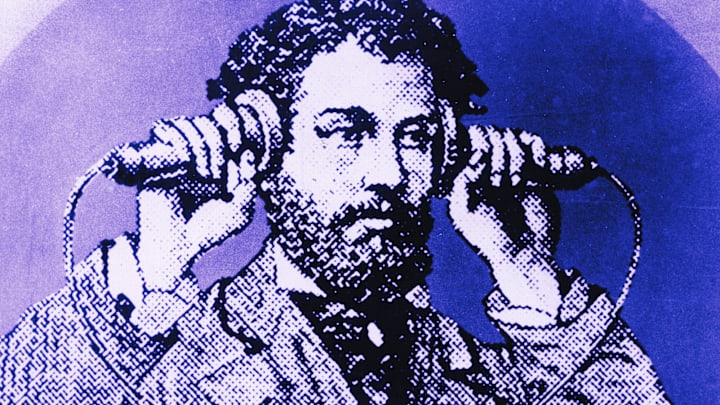
Alexander Graham Bell holds the first patent for a telephone, and he made the first-ever phone call on March 10, 1876, asking his assistant to come to the room to see him.
Since then, telephone lines were added across the country, technology evolved to make it easy to have phones in multiple rooms of your home, and now you probably carry one in your pocket wherever you go. So to celebrate the 150th anniversary of the telephone call, here are some facts you may not know about your phone.
- "Hello" wasn't the first choice for greetings
- Bell didn't invent the telephone
- Almost every American owns a cell phone
- Telephones have their own national holiday
- Payphones are disappearing
- The first text message was a holiday greeting
"Hello" wasn't the first choice for greetings
Bell had a preferred way to start a conversation on the telephone, and it wasn't "Hello." Instead, he wanted phone users to use "Ahoy-hoy" as the preferred greeting to start chatting on the phone.
But the word "Hello" had become a popular greeting in the decades leading up to Bell's invention and quickly won the greeting war, particularly with the help of Thomas Edison, who was an early proponent of "Hello."
Bell didn't invent the telephone
There were actually a few inventors vying to patent a telephone device at the same time, but it was Bell who won out. The inventor of the telephone was actually Antonio Meucci, who was recognized for his contribution by Congress in 2002.
Bell held the patent for the telephone, which he also barely achieved. Another inventor named Elisha Gray filed a patent caveat for a similar device on the same day as Bell. But Bell's attorney filed the patent first, giving his client the advantage when it came time to get the paperwork in for recognition of the invention.
Almost every American owns a cell phone
The telephone has changed dramatically from the first phone call by Bell to the present day. A recent study from the Pew Research Center found that 98 percent of Americans now own some form of a cell phone, with 91 percent of Americans owning a smartphone. That's a dramatic rise from 2011, the first year Pew Research surveyed Americans and found that only 35 percent owned a smartphone.
Telephones have their own national holiday
You can celebrate your love for telephones on April 25 each year, which is National Telephone Day. The holiday was originally celebrated in May 1967 in honor of the 100 millionth telephone line being installed in the United States. Governors and dignitaries jumped on the largest conference call ever held at that time to mark the occasion and received gold telephones as part of the celebration.
Payphones are disappearing
It used to be that you would need to use a payphone to contact someone if you were out and about, often feeding the phones with change in your pocket to get a call in or trying to call someone collect and have them accept the charges.
But payphones started to disappear with the popularity of cell phones and smartphones. Instead, there are estimates that there are fewer than 100,000 payphones still in use. If you're desperate for one, however, you can still locate one through online directories that keep track of where public payphones still exist.
The first text message was a holiday greeting
Most telephone users today are more familiar with sending text messages with their phones rather than making a phone call to speak with someone.
The first SMS text was sent in 1992 when an engineer at Vodafone sent a holiday greeting to a director there, wishing him a "merry Christmas." The text message was sent from engineer Neil Papworth's computer to a cell phone that belonged to director Richard Jarvis.
But the technology wasn't fully developed to what it is today, and Jarvis wasn't able to respond to the message because cell phones couldn't do so at that time.