%20%20--%3E%0A%3Csvg%20version%3D%221.1%22%20id%3D%22Layer_1%22%20xmlns%3D%22http%3A%2F%2Fwww.w3.org%2F2000%2Fsvg%22%20xmlns%3Axlink%3D%22http%3A%2F%2Fwww.w3.org%2F1999%2Fxlink%22%20x%3D%220px%22%20y%3D%220px%22%0A%09%20viewBox%3D%220%200%20684.6%2068.1%22%20style%3D%22enable-background%3Anew%200%200%20684.6%2068.1%3B%22%20xml%3Aspace%3D%22preserve%22%3E%0A%3Cg%3E%0A%09%3Cpath%20d%3D%22M444.1%2C29.3h-17.4v14.5h17.4V29.3z%20M36.4%2C68.1l29.3-50.8V0H50.4L32.9%2C36.8L15.5%2C0H0v68.1h16.7V45.8l12.4%2C22.3H36.4z%0A%09%09%20M49.1%2C68.1h16.6V23.4L49.1%2C52.1V68.1z%20M76.6%2C68.1h45V53.8H93.3V41.6h21V27.1h-21V14.8h28.3V0.1h-45V68.1z%20M175.6%2C68.1h17.3v-68%0A%09%09h-16.5v40.3L150%2C0.1h-17.6v68h16.7V27.7L175.6%2C68.1z%20M235.8%2C14.8h15.4V0.1h-47.4v14.7H219v53.2h16.8V14.8z%20M290.3%2C45.9h-17.1%0A%09%09l7.5-15.6h2L290.3%2C45.9z%20M298.7%2C68.1h18l-32.2-68h-5.7l-32%2C68h18l3.3-7.1h27.1L298.7%2C68.1z%20M325.2%2C68.1h46.2V53.8h-29.6V0.1h-16.7%0A%09%09V68.1z%20M423.7%2C14.8h27.2V0.1H407v68h16.7V14.8z%20M462%2C68.1h46.2V53.8h-29.6V0.1H462V68.1z%20M564.8%2C34.1c0%2C10.7-7.2%2C19.2-18.5%2C19.2%0A%09%09c-11.4%2C0-18.5-8.5-18.5-19.2s7.1-19.2%2C18.5-19.2C557.6%2C14.9%2C564.8%2C23.4%2C564.8%2C34.1%20M580.6%2C34.1c0-19-14.2-34-34.3-34%0A%09%09c-20.2%2C0-34.3%2C15-34.3%2C34c0%2C19%2C14.1%2C34%2C34.3%2C34C566.4%2C68.1%2C580.6%2C53.1%2C580.6%2C34.1%20M604.8%2C20.5c0-4.1%2C3.3-6.2%2C6.7-6.2%0A%09%09c4.4%2C0%2C6.6%2C3%2C6.6%2C6.6h14.7C631.8%2C9.1%2C625.1%2C0.1%2C611%2C0.1c-12%2C0-21.7%2C9.3-21.7%2C20.6c0%2C10.9%2C5.9%2C15.9%2C16.7%2C19.8%0A%09%09c5.2%2C1.8%2C11.5%2C3.2%2C11.5%2C8c0%2C3.3-2.4%2C5.5-6.4%2C5.5c-3.6%2C0-6.6-3-6.6-6.7h-15.2c0%2C11.5%2C7.9%2C20.8%2C21.8%2C20.8c12%2C0%2C21.6-9.3%2C21.6-20.6%0A%09%09c0-10-5.3-16.4-16.7-19.8C610.6%2C26.1%2C604.8%2C25.3%2C604.8%2C20.5%20M670%2C20.9h14.7C683.8%2C9.1%2C677.1%2C0.1%2C663%2C0.1c-12%2C0-21.7%2C9.3-21.7%2C20.6%0A%09%09c0%2C10.9%2C5.9%2C15.9%2C16.7%2C19.8c5.2%2C1.8%2C11.5%2C3.2%2C11.5%2C8c0%2C3.3-2.4%2C5.5-6.4%2C5.5c-3.6%2C0-6.6-3-6.6-6.7h-15.2c0%2C11.5%2C7.9%2C20.8%2C21.8%2C20.8%0A%09%09c12%2C0%2C21.6-9.3%2C21.6-20.6c0-10-5.3-16.4-16.7-19.8c-5.4-1.6-11.3-2.4-11.3-7.2c0-4.1%2C3.3-6.2%2C6.7-6.2C667.7%2C14.4%2C670%2C17.3%2C670%2C20.9%0A%09%09%22%2F%3E%0A%3C%2Fg%3E%0A%3C%2Fsvg%3E%0A)

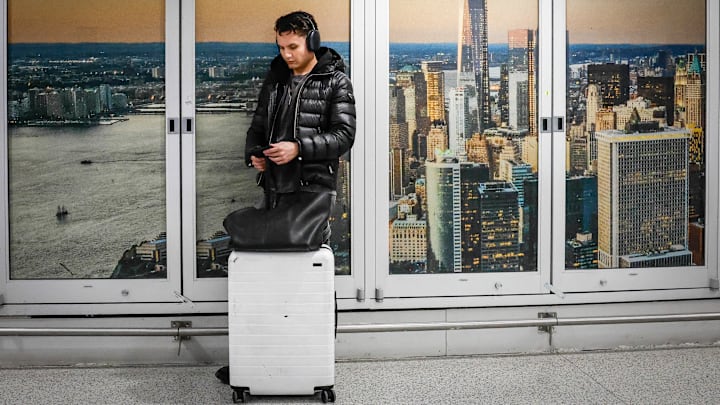
Airports can be strange, liminal spaces. With their vast, high ceilings, generally sparse—if sometimes innovative—designs, and tendency to serve questionable sandwiches and even more questionable sushi, they have extremely distinct atmospheres that also tend to be oddly similar no matter where you are in the world.
One thing that the majority of airports—and airplanes—also have in common is a tendency to be on the colder side. If you’ve ever found yourself shivering in your seat while waiting for a delayed plane, or wishing you’d brought your fuzzy socks on that transcontinental flight, there are actually very good reasons for all of that.
Why Airports Keep Temperatures Low
Airport temperatures are typically kept quite low for a few main reasons. Firstly, there's the fact that so many people enter and exit airports each day. One of the world’s busiest airports, Atlanta’s Hartsfield-Jackson International Airport, saw over 108.1 million people pass through its doors in 2024, per a report from Airports Council International World. Large numbers of people crammed together in indoor spaces are highly likely to generate quite a lot of heat, so to offset temperatures from all of these crowds and the machinery used to process them, airports tend to keep thermostats lowered.
Most airports also use HVAC systems that help to purify the air while also keeping it cool, which is definitely important given all the exhaust and fumes that surround airports—and the germs and bacteria that naturally originate from all the people walking around inside them, so you can feel good knowing those blasts of cool air are also cleaning the air you breathe.
If you’ve noticed that you feel extra cold as you approach the entrance to your plane, there’s also a reason for that. Jet bridges and airplanes need to be kept cool when parked for safety and engineering reasons as well as for passenger comfort, and so planes are often connected to large air conditioning units when they land—and the chill from those units can certainly reach nearby passengers.
All that said, sometimes airports do get quite hot. This can happen at particularly crowded times, and also occurs frequently in some airports that have opted for floor-to-ceiling glass walls—which create opportunities for amazing views of takeoffs and sunrises, but also allow sunlight to stream inside and generate heat. Airport roofs also tend to absorb tons of sunlight, which can also generate a lot of heat indoors. Some airports, however, are investing in rooftops covered in gardens and vegetation, which can help to naturally lower temperatures inside.
Why Airplanes Keep Temperatures Low

If you find yourself shivering in an airport, unfortunately, the plane likely won’t provide much of a respite. Planes are also kept cold for very specific reasons. One is the fact that high altitudes can dry out the air, which can contribute to dehydration, headaches, and dizziness among passengers. A cool cabin temperature, however, can prevent excessive dryness. Additionally, long periods of sitting, changes in oxygen and air pressure levels, and hotter temperatures can also contribute to the likelihood of fainting, but cooler temperatures can reduce the chances of someone passing out.
Air circulation systems can also help to reduce the spread of microorganisms, and cooler temperatures can also help keep people alert and focused in emergency situations. Finally, certain aspects and internal systems within airplanes work better and last longer when kept cool, so maintaining cold temperatures at all times can also improve the functionality and longevity of the plane.
All of this means that there are many good reasons why you might need to bring some extra warm clothes for your flight. On the other hand, you may have noticed that sometimes airplanes can get extremely hot, particularly before takeoff. This often occurs when planes switch from one air conditioning system to another.
“When a plane changes from using the on-board cooling system to either the auxiliary power unit or preconditioned air or vice versa, there may be a lag, and in hot weather, a plane can get steamy fast,” airport security executive Billy Nolen told The New York Times. Still, he noted, all standard airplanes come with air conditioning systems that always kick in eventually.
“When a cabin is hot, it will get cool,” he said. “Sometimes, it’s just a matter of time.”