%20%20--%3E%0A%3Csvg%20version%3D%221.1%22%20id%3D%22Layer_1%22%20xmlns%3D%22http%3A%2F%2Fwww.w3.org%2F2000%2Fsvg%22%20xmlns%3Axlink%3D%22http%3A%2F%2Fwww.w3.org%2F1999%2Fxlink%22%20x%3D%220px%22%20y%3D%220px%22%0A%09%20viewBox%3D%220%200%20684.6%2068.1%22%20style%3D%22enable-background%3Anew%200%200%20684.6%2068.1%3B%22%20xml%3Aspace%3D%22preserve%22%3E%0A%3Cg%3E%0A%09%3Cpath%20d%3D%22M444.1%2C29.3h-17.4v14.5h17.4V29.3z%20M36.4%2C68.1l29.3-50.8V0H50.4L32.9%2C36.8L15.5%2C0H0v68.1h16.7V45.8l12.4%2C22.3H36.4z%0A%09%09%20M49.1%2C68.1h16.6V23.4L49.1%2C52.1V68.1z%20M76.6%2C68.1h45V53.8H93.3V41.6h21V27.1h-21V14.8h28.3V0.1h-45V68.1z%20M175.6%2C68.1h17.3v-68%0A%09%09h-16.5v40.3L150%2C0.1h-17.6v68h16.7V27.7L175.6%2C68.1z%20M235.8%2C14.8h15.4V0.1h-47.4v14.7H219v53.2h16.8V14.8z%20M290.3%2C45.9h-17.1%0A%09%09l7.5-15.6h2L290.3%2C45.9z%20M298.7%2C68.1h18l-32.2-68h-5.7l-32%2C68h18l3.3-7.1h27.1L298.7%2C68.1z%20M325.2%2C68.1h46.2V53.8h-29.6V0.1h-16.7%0A%09%09V68.1z%20M423.7%2C14.8h27.2V0.1H407v68h16.7V14.8z%20M462%2C68.1h46.2V53.8h-29.6V0.1H462V68.1z%20M564.8%2C34.1c0%2C10.7-7.2%2C19.2-18.5%2C19.2%0A%09%09c-11.4%2C0-18.5-8.5-18.5-19.2s7.1-19.2%2C18.5-19.2C557.6%2C14.9%2C564.8%2C23.4%2C564.8%2C34.1%20M580.6%2C34.1c0-19-14.2-34-34.3-34%0A%09%09c-20.2%2C0-34.3%2C15-34.3%2C34c0%2C19%2C14.1%2C34%2C34.3%2C34C566.4%2C68.1%2C580.6%2C53.1%2C580.6%2C34.1%20M604.8%2C20.5c0-4.1%2C3.3-6.2%2C6.7-6.2%0A%09%09c4.4%2C0%2C6.6%2C3%2C6.6%2C6.6h14.7C631.8%2C9.1%2C625.1%2C0.1%2C611%2C0.1c-12%2C0-21.7%2C9.3-21.7%2C20.6c0%2C10.9%2C5.9%2C15.9%2C16.7%2C19.8%0A%09%09c5.2%2C1.8%2C11.5%2C3.2%2C11.5%2C8c0%2C3.3-2.4%2C5.5-6.4%2C5.5c-3.6%2C0-6.6-3-6.6-6.7h-15.2c0%2C11.5%2C7.9%2C20.8%2C21.8%2C20.8c12%2C0%2C21.6-9.3%2C21.6-20.6%0A%09%09c0-10-5.3-16.4-16.7-19.8C610.6%2C26.1%2C604.8%2C25.3%2C604.8%2C20.5%20M670%2C20.9h14.7C683.8%2C9.1%2C677.1%2C0.1%2C663%2C0.1c-12%2C0-21.7%2C9.3-21.7%2C20.6%0A%09%09c0%2C10.9%2C5.9%2C15.9%2C16.7%2C19.8c5.2%2C1.8%2C11.5%2C3.2%2C11.5%2C8c0%2C3.3-2.4%2C5.5-6.4%2C5.5c-3.6%2C0-6.6-3-6.6-6.7h-15.2c0%2C11.5%2C7.9%2C20.8%2C21.8%2C20.8%0A%09%09c12%2C0%2C21.6-9.3%2C21.6-20.6c0-10-5.3-16.4-16.7-19.8c-5.4-1.6-11.3-2.4-11.3-7.2c0-4.1%2C3.3-6.2%2C6.7-6.2C667.7%2C14.4%2C670%2C17.3%2C670%2C20.9%0A%09%09%22%2F%3E%0A%3C%2Fg%3E%0A%3C%2Fsvg%3E%0A)

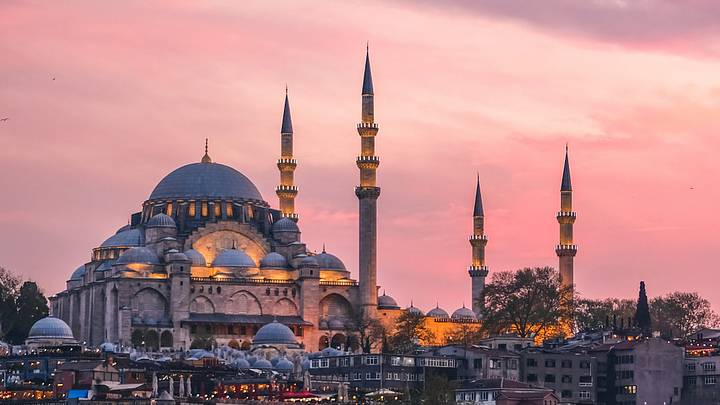
The United States played against Türkiye at the World Cup match on Thursday, June 25, 2026. Many people accustomed to referring to the nation as Turkey may have found themselves with questions upon seeing the country’s name spelled in this particular style.
The nation has actually been in the process of globally rebranding itself as Türkiye for years. The United Nations accepted the nation’s request to use Türkiye as its official name worldwide in 2022, and the U.S. State Department adopted the spelling in 2023. Both, however, list the nation on their websites as Turkey (Türkiye).
Why Turkey Has Changed to Türkiye

The name change is part of a long-term effort to rebrand the nation on the global stage. It originated with President Recep Tayyip Erdoğan, the nation’s current leader, and his Justice and Development Party, or AKP.
According to Turkish state broadcaster TRT, there are some fairly straightforward reasons for the change. In 2022, the broadcaster told the BBC that the country aims to move away from associations with the bird that typically adorns Thanksgiving tables in the United States.
The network also cited the Cambridge English Dictionary’s definition of “turkey” as “something that fails badly” or “a stupid or silly person.”
Sinan Ülgen, chairman of the Istanbul-based think tank EDAM, echoed these reasons in a 2026 interview with AS. “The main reason Turkey is changing its name is to eliminate the association with the bird,” he said. “But also, the term is used in colloquial language to denote failure.”
Former Foreign Minister Mevlüt Çavuşoğlu also told the outlet that the change would “increase our country’s brand value,” a sentiment previously shared by the president.
“Türkiye is the best representation and expression of the Turkish people's culture, civilization, and values,” Erdoğan said in 2022.
Overall, the name change is meant to signify a shift in the nation's perception around the world. “One of the central narratives the AKP government has built is that a more confident, stable, powerful and internationally visible ‘new Turkey’ has emerged in place of the ‘old Turkey,’” Doğuş Düzgün, a researcher in political toponymy at Eskişehir Osmangazi University in Turkey, told The New York Times.
He also noted that the nation has been looking to differentiate itself from Westernization, and the name is “a symbolic piece of that broader claim to agency and visibility.”
The global name change has been met with mixed reactions from Turkish people and political strategists, with some feeling it may be a distraction from economic and political issues in the country.
The Origins of the Names “Turkey” and “Türkiye”

English speakers have historically referred to the nation as Turkey, and some people within the country also use that name to describe their homeland. However, the country has officially been using “Türkiye” within its borders since the modern Turkish republic was established in 1923. The prefix “Türk,” however, is much older.
Before adopting the name Türkiye, the nation was the heartland of the Ottoman Empire, which lasted from 1299 to 1923. That empire was sometimes called the Turkish Empire, with “Turk” being a reference to ancestral tribes who inhabited the area and who were known as the Türk or Türü. Among English speakers in medieval times, this moniker transformed into Turkeye, which eventually became Turkey.
Which Came First: The Country or the Bird?

While we may not know the answer to the classic chicken-and-egg riddle, we do know the answer to this question. The name of the country predates the bird, and actually helped shape the name of the creature many of us feast on at holidays.
According to Merriam-Webster, when the bird we call the turkey was introduced to the English by the Spanish in the 16th century, English speakers had developed a habit of calling many different things “Turkish,” as the Ottoman Empire was then at its height.
Any goods perceived as exotic would often be slapped with a “Turkish” qualifier, whether or not they came from the nation. The bird, therefore, received the name “turkey-cock,” which was later shortened to just “turkey.”