%20%20--%3E%0A%3Csvg%20version%3D%221.1%22%20id%3D%22Layer_1%22%20xmlns%3D%22http%3A%2F%2Fwww.w3.org%2F2000%2Fsvg%22%20xmlns%3Axlink%3D%22http%3A%2F%2Fwww.w3.org%2F1999%2Fxlink%22%20x%3D%220px%22%20y%3D%220px%22%0A%09%20viewBox%3D%220%200%20684.6%2068.1%22%20style%3D%22enable-background%3Anew%200%200%20684.6%2068.1%3B%22%20xml%3Aspace%3D%22preserve%22%3E%0A%3Cg%3E%0A%09%3Cpath%20d%3D%22M444.1%2C29.3h-17.4v14.5h17.4V29.3z%20M36.4%2C68.1l29.3-50.8V0H50.4L32.9%2C36.8L15.5%2C0H0v68.1h16.7V45.8l12.4%2C22.3H36.4z%0A%09%09%20M49.1%2C68.1h16.6V23.4L49.1%2C52.1V68.1z%20M76.6%2C68.1h45V53.8H93.3V41.6h21V27.1h-21V14.8h28.3V0.1h-45V68.1z%20M175.6%2C68.1h17.3v-68%0A%09%09h-16.5v40.3L150%2C0.1h-17.6v68h16.7V27.7L175.6%2C68.1z%20M235.8%2C14.8h15.4V0.1h-47.4v14.7H219v53.2h16.8V14.8z%20M290.3%2C45.9h-17.1%0A%09%09l7.5-15.6h2L290.3%2C45.9z%20M298.7%2C68.1h18l-32.2-68h-5.7l-32%2C68h18l3.3-7.1h27.1L298.7%2C68.1z%20M325.2%2C68.1h46.2V53.8h-29.6V0.1h-16.7%0A%09%09V68.1z%20M423.7%2C14.8h27.2V0.1H407v68h16.7V14.8z%20M462%2C68.1h46.2V53.8h-29.6V0.1H462V68.1z%20M564.8%2C34.1c0%2C10.7-7.2%2C19.2-18.5%2C19.2%0A%09%09c-11.4%2C0-18.5-8.5-18.5-19.2s7.1-19.2%2C18.5-19.2C557.6%2C14.9%2C564.8%2C23.4%2C564.8%2C34.1%20M580.6%2C34.1c0-19-14.2-34-34.3-34%0A%09%09c-20.2%2C0-34.3%2C15-34.3%2C34c0%2C19%2C14.1%2C34%2C34.3%2C34C566.4%2C68.1%2C580.6%2C53.1%2C580.6%2C34.1%20M604.8%2C20.5c0-4.1%2C3.3-6.2%2C6.7-6.2%0A%09%09c4.4%2C0%2C6.6%2C3%2C6.6%2C6.6h14.7C631.8%2C9.1%2C625.1%2C0.1%2C611%2C0.1c-12%2C0-21.7%2C9.3-21.7%2C20.6c0%2C10.9%2C5.9%2C15.9%2C16.7%2C19.8%0A%09%09c5.2%2C1.8%2C11.5%2C3.2%2C11.5%2C8c0%2C3.3-2.4%2C5.5-6.4%2C5.5c-3.6%2C0-6.6-3-6.6-6.7h-15.2c0%2C11.5%2C7.9%2C20.8%2C21.8%2C20.8c12%2C0%2C21.6-9.3%2C21.6-20.6%0A%09%09c0-10-5.3-16.4-16.7-19.8C610.6%2C26.1%2C604.8%2C25.3%2C604.8%2C20.5%20M670%2C20.9h14.7C683.8%2C9.1%2C677.1%2C0.1%2C663%2C0.1c-12%2C0-21.7%2C9.3-21.7%2C20.6%0A%09%09c0%2C10.9%2C5.9%2C15.9%2C16.7%2C19.8c5.2%2C1.8%2C11.5%2C3.2%2C11.5%2C8c0%2C3.3-2.4%2C5.5-6.4%2C5.5c-3.6%2C0-6.6-3-6.6-6.7h-15.2c0%2C11.5%2C7.9%2C20.8%2C21.8%2C20.8%0A%09%09c12%2C0%2C21.6-9.3%2C21.6-20.6c0-10-5.3-16.4-16.7-19.8c-5.4-1.6-11.3-2.4-11.3-7.2c0-4.1%2C3.3-6.2%2C6.7-6.2C667.7%2C14.4%2C670%2C17.3%2C670%2C20.9%0A%09%09%22%2F%3E%0A%3C%2Fg%3E%0A%3C%2Fsvg%3E%0A)

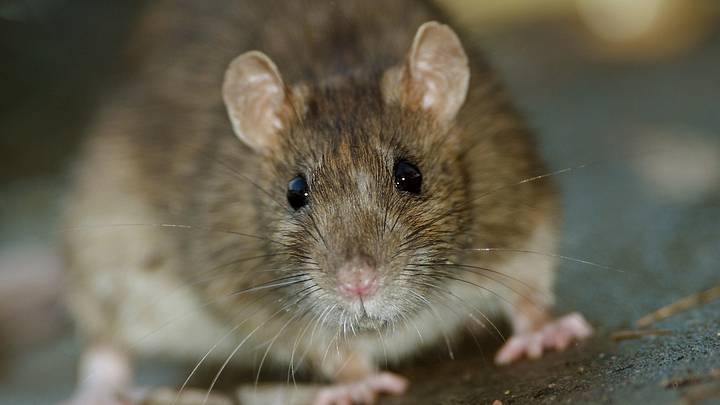
For as long as people have built cities, rats have found ways to move in right alongside them. They don’t bake you pies to welcome you to the neighborhood, pay taxes, contribute to the local economy, or appear on tourism sites, and yet, they’ve become permanent residents in many of America’s largest urban hubs.
While a rat sighting can be an unpleasant surprise, to say the least, it’s usually a symptom of a deeper issue. Crowded cities deliver the perfect recipe for rodent activity: lots of food, plenty of hiding places, and complex infrastructure that’s hard to monitor and maintain. As a result, some metropolitan areas have become known for combating far more than just traffic and rising housing costs.
Recent pest control data from MightyMite Termite Services reveals which U.S. cities face the biggest rodent challenges and why these unwelcome neighbors continue to flourish.
WHY CITIES ARE SO APPEALING TO RATS

From a rat's perspective, city life has its advantages.
Urban areas concentrate millions of people into relatively small spaces, creating a stream of food waste and countless opportunities for shelter. Restaurants, apartment buildings, alleyways, and underground systems all offer environments where these rodents can be incognito, for the most part.
Weather also plays a role in population growth. Longer warm seasons give rodents more opportunities to forage and reproduce, while dense development helps them find protection from the elements. Once established, rat populations can be difficult to control, since the resources they depend on are rarely scarce.
Basically, the same factors that make cities convenient for people also make them convenient for rats.
THE UNITED STATES OF RATS

1. New York City, New York
At the top of the list is New York City: a place so closely associated with rats that the animals have become part of the city’s identity.
With an enormous population, tightly packed buildings, and a constant flow of food-related activity, New York offers rodents an environment packed with opportunity. The city’s size alone makes rodent management an ongoing challenge, securing its place at the top of the rankings.
2. Los Angeles, California
Los Angeles comes in second.
Unlike cities with long periods of cold weather, Los Angeles enjoys a climate that allows rodents to stay active most of the year. Combined with its sprawling cityscape and high population density, the region provides countless places for rats to find food, shelter, and nesting sites.
3. San Francisco, Oakland, San Jose, California (Bay Area)
The Bay Area rounds out the top three.
As one of the country’s largest metropolitan regions, it combines compact urban development with extensive infrastructure and commercial activity. These conditions create ideal circumstances for rodents seeking reliable access to food and protection, making the area a consistent fixture on rodent-watch lists.
THE TOP 10, CONTINUED
4. Philadelphia, Pennsylvania
5. Chicago, Illinois
6. Washington, D.C.
7. Houston, Texas
8. Dallas-Fort Worth, Texas
9. Boston, Massachusetts
10. Atlanta, Georgia
Several other metropolitan areas also appear on the broader list, including Sacramento, Stockton, Modesto, Seattle, San Diego, Portland, Palm Springs, and Monterey.
Although these cities vary in size, geography, and climate, they share a common obstacle: creating urban environments that are less attractive to rodent populations.
URBAN RAT-VIVAL

Rats have spent centuries adapting to human activity, and that adaptability keeps them a step ahead in the rat race. As cities grow and evolve, so too will rodents, continuing to find new ways to exploit the resources around them.
The bright spot in all of this data is that communities are not without options. Improved sanitation, responsible waste disposal, routine property maintenance, and proactive pest management can all help limit infestations. But as long as cities provide food, water, and shelter, rodents will keep looking for a place to call home.