%20%20--%3E%0A%3Csvg%20version%3D%221.1%22%20id%3D%22Layer_1%22%20xmlns%3D%22http%3A%2F%2Fwww.w3.org%2F2000%2Fsvg%22%20xmlns%3Axlink%3D%22http%3A%2F%2Fwww.w3.org%2F1999%2Fxlink%22%20x%3D%220px%22%20y%3D%220px%22%0A%09%20viewBox%3D%220%200%20684.6%2068.1%22%20style%3D%22enable-background%3Anew%200%200%20684.6%2068.1%3B%22%20xml%3Aspace%3D%22preserve%22%3E%0A%3Cg%3E%0A%09%3Cpath%20d%3D%22M444.1%2C29.3h-17.4v14.5h17.4V29.3z%20M36.4%2C68.1l29.3-50.8V0H50.4L32.9%2C36.8L15.5%2C0H0v68.1h16.7V45.8l12.4%2C22.3H36.4z%0A%09%09%20M49.1%2C68.1h16.6V23.4L49.1%2C52.1V68.1z%20M76.6%2C68.1h45V53.8H93.3V41.6h21V27.1h-21V14.8h28.3V0.1h-45V68.1z%20M175.6%2C68.1h17.3v-68%0A%09%09h-16.5v40.3L150%2C0.1h-17.6v68h16.7V27.7L175.6%2C68.1z%20M235.8%2C14.8h15.4V0.1h-47.4v14.7H219v53.2h16.8V14.8z%20M290.3%2C45.9h-17.1%0A%09%09l7.5-15.6h2L290.3%2C45.9z%20M298.7%2C68.1h18l-32.2-68h-5.7l-32%2C68h18l3.3-7.1h27.1L298.7%2C68.1z%20M325.2%2C68.1h46.2V53.8h-29.6V0.1h-16.7%0A%09%09V68.1z%20M423.7%2C14.8h27.2V0.1H407v68h16.7V14.8z%20M462%2C68.1h46.2V53.8h-29.6V0.1H462V68.1z%20M564.8%2C34.1c0%2C10.7-7.2%2C19.2-18.5%2C19.2%0A%09%09c-11.4%2C0-18.5-8.5-18.5-19.2s7.1-19.2%2C18.5-19.2C557.6%2C14.9%2C564.8%2C23.4%2C564.8%2C34.1%20M580.6%2C34.1c0-19-14.2-34-34.3-34%0A%09%09c-20.2%2C0-34.3%2C15-34.3%2C34c0%2C19%2C14.1%2C34%2C34.3%2C34C566.4%2C68.1%2C580.6%2C53.1%2C580.6%2C34.1%20M604.8%2C20.5c0-4.1%2C3.3-6.2%2C6.7-6.2%0A%09%09c4.4%2C0%2C6.6%2C3%2C6.6%2C6.6h14.7C631.8%2C9.1%2C625.1%2C0.1%2C611%2C0.1c-12%2C0-21.7%2C9.3-21.7%2C20.6c0%2C10.9%2C5.9%2C15.9%2C16.7%2C19.8%0A%09%09c5.2%2C1.8%2C11.5%2C3.2%2C11.5%2C8c0%2C3.3-2.4%2C5.5-6.4%2C5.5c-3.6%2C0-6.6-3-6.6-6.7h-15.2c0%2C11.5%2C7.9%2C20.8%2C21.8%2C20.8c12%2C0%2C21.6-9.3%2C21.6-20.6%0A%09%09c0-10-5.3-16.4-16.7-19.8C610.6%2C26.1%2C604.8%2C25.3%2C604.8%2C20.5%20M670%2C20.9h14.7C683.8%2C9.1%2C677.1%2C0.1%2C663%2C0.1c-12%2C0-21.7%2C9.3-21.7%2C20.6%0A%09%09c0%2C10.9%2C5.9%2C15.9%2C16.7%2C19.8c5.2%2C1.8%2C11.5%2C3.2%2C11.5%2C8c0%2C3.3-2.4%2C5.5-6.4%2C5.5c-3.6%2C0-6.6-3-6.6-6.7h-15.2c0%2C11.5%2C7.9%2C20.8%2C21.8%2C20.8%0A%09%09c12%2C0%2C21.6-9.3%2C21.6-20.6c0-10-5.3-16.4-16.7-19.8c-5.4-1.6-11.3-2.4-11.3-7.2c0-4.1%2C3.3-6.2%2C6.7-6.2C667.7%2C14.4%2C670%2C17.3%2C670%2C20.9%0A%09%09%22%2F%3E%0A%3C%2Fg%3E%0A%3C%2Fsvg%3E%0A)

Spring brings with it new flowers, plenty of irritating pollen for those with allergies, and a general feeling of freshness and rebirth. Of course, in old times—and for many people who still live closely with the land—spring was and is much more than an aesthetically pleasing, sometimes eye-irritating seasonal shift. Its onset literally means survival for those who rely on the season's warmth to bring the birth of new crops and livestock.
It’s no surprise, then, that spring is associated with a wide variety of superstitions and traditions meant to predict the arrival of warm weather, to bring protection, and much more. Most of these 11 superstitions have their roots in ancient faiths, but many still resonate with people around the world today.
- Killing the First Adder
- Spider Webs
- Big Porridge Day
- The Call of the Cuckoo
- Burning a Snowman
- Drowning a Pagan Goddess
- Tying a Trinket to a Tree
- Fairy Folklore
- Daffodils
- Balancing Eggs on the Equinox
- Animals Predicting the Weather
Killing the First Adder

There is a vast amount of folklore and legends related to snakes, and these creatures appear everywhere from the Bible to the archetype of the ouroboros. Since serpents tend to emerge from their wintertime brumation periods as the weather warms, it’s no surprise there’s some specific spring-related lore around them.
According to Scottish folklore, killing the first adder seen in spring would bring good luck and would allow people to triumph over their foes, but failing to kill one would summon misfortune.
Spider Webs

Another springtime myth holds that the more spiderwebs you see in the spring, the better fortune you’ll have in the autumn. This may connect to a folktale about how spiders helped protect baby Jesus when Mary and Joseph needed a place to hide him. According to the story, they hid in a cave, and spiders wove a thick web at the entrance to shield the family from view.
Despite the fact that these creatures often trigger fear—at least within anyone with a touch of arachnophobia—spiders have long been associated with good luck, prosperity, and creation. Of course, there are also tangible benefits to keeping those spiders in your house around, such as reliable pest control.
Big Porridge Day

Spring is an extremely important and sacred time in Celtic and Gaelic culture, and there are many different practices that come from places like Ireland, Scotland, and Wales related to it. One particularly unique springtime superstition that comes from Scotland is a tradition of pouring a pot of porridge into the ocean, which was believed to draw seaweed—an important and nutritious commodity—the shore. This event typically took place in late spring and was sometimes called Shore Thursday or Maundy Thursday.
The Call of the Cuckoo

Another Scottish springtime myth concerns birdsong, a common sign of spring—though not all birdsong was associated with good luck and blooming flowers. Specifically, hearing the song of the cuckoo early in the morning was said to bring misfortune in some Scottish traditions, so some people even hid bread under their pillows and ate breakfast immediately after waking to avoid any ill effects.
Burning a Snowman

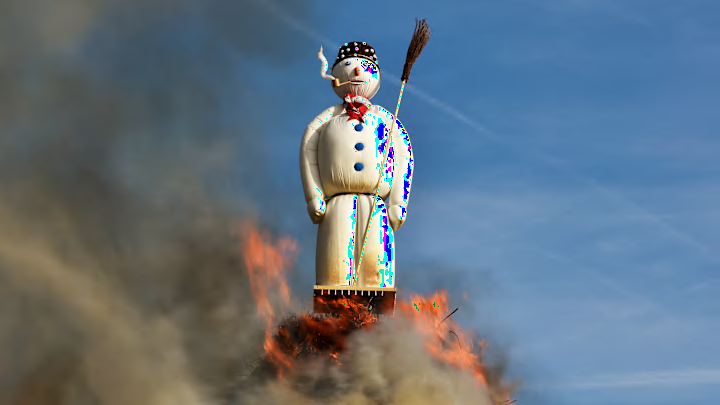
Groundhog Day is a popular tradition said to predict the timing of spring’s arrival, but another, more obscure ritual said to do the same thing stems from Switzerland and involves burning a snowman called the Böögg.
The tradition dates back at least to the 16th century, but may have roots in ancient pagan practices meant to get rid of winter—and it’s not hard to see the symbolism in literally setting fire to a being made of snow. According to some who still practice this tradition, the faster the snowman's head explodes, the warmer summer will be.
Drowning a Pagan Goddess

Slavic tradition has a similar practice to the Swiss tradition of burning a snowman to usher in spring—only the Polish version involves parading a straw effigy of the goddess of winter through the streets, burning it, throwing it in the water, and immediately looking away.
This particular goddess, Marzanna, is connected to plagues and death in addition to winter. In old times, it was believed to be extremely important not to look at her effigy after it had been tossed into the water. “Getting rid of this symbol of winter deadness was considered a dangerous act,” writes Beata Wojciechowska, a history professor at Jan Kochanowski University. “The hostile force which was being destroyed could reveal its destructive powers even at that very last moment of its existence.”
Tying a Trinket to a Tree

In Romania, the arrival of spring is heralded by the holiday of Mărțișor. As part of this holiday, people often wear trinkets with red and white strings. According to superstition, tying these strings to trees can bring good luck and can help make wishes come true.
Fairy Folklore

Various cultures have countless superstitions associated with fairies, who are often thought to be particularly active around spring—and particularly around the pagan holidays of May Day or Beltane, which takes place on May 1. In Celtic and pagan tradition, engaging with fairies always required care and respect, as they were often said to wreak havoc on humans when displeased by them.
For example, leaving primrose flowers on doorsteps was sometimes believed to attract fairies who would bless the home, but allowing these flowers to die was thought to provoke ire among the fair folk. Hawthorn trees were believed to be entrances to the fairy realm, and could be asked for blessings—though they were to be avoided after dark, as fairies would often hang around playing dreamy music there in the night, waiting to lure humans into the Otherworld. It was also highly inadvisable to destroy a fairy fort or fairy ring.
All traditions related to fairies took on more significance during spring, as this was said to be the time when they would most often enter into the human world.
Daffodils

Flowers are clear signs of spring, and many have various superstitions associated with them. Daffodils, in particular, are shrouded in stories and legends.
These yellow blooms could traditionally signify both misfortune and luck, which makes sense, as daffodils can be toxic when eaten and yet are often one of the first flowers to emerge out of the snow at winter’s end, leading to their association with rebirth and hope. According to some European traditions, finding the year’s first daffodil was sometimes believed to guarantee a lucky year, but giving someone a single daffodil could bring bad luck.
Balancing Eggs on the Equinox

Chinese legend suggests that eggs can balance upright on the spring equinox, a phenomenon often associated with the sun’s position. Successfully balancing an egg has been linked to good fortune for the coming year.
While there’s no scientific backing to this tradition, it’s a fun practice to try any time of year. Interestingly, sometimes eggs really can be balanced upright thanks to little abrasions on their shells, if you have the patience to work with them for a while.
Animals Predicting the Weather

Animals and their habits have long been associated with spring, though this is less based in superstition and more rooted in fact—bears and other mammals really do reliably emerge from hibernation during spring. However, this reality has generated many superstitions, including Groundhog Day, when a groundhog seeing his shadow or not signifies the remaining length of winter.
This particular ritual might have its roots in pagan traditions that tried to divine the timing of spring’s arrival from late winter weather or from the habits of animals. For example, a bright, sunny day on Candlemas, a pagan holiday sometimes celebrated on February 2, was sometimes associated with a longer winter.
Many other animal-related beliefs and stories exist, such as a long-standing folk belief that the sound of croaking frogs signifies incoming rain. Interestingly, it turns out that frogs really do sometimes start croaking louder when it’s about to rain, as they lay their eggs in bodies of water—meaning that male frogs tend to start looking, often loudly, for a mate just before a downpour.