%20%20--%3E%0A%3Csvg%20version%3D%221.1%22%20id%3D%22Layer_1%22%20xmlns%3D%22http%3A%2F%2Fwww.w3.org%2F2000%2Fsvg%22%20xmlns%3Axlink%3D%22http%3A%2F%2Fwww.w3.org%2F1999%2Fxlink%22%20x%3D%220px%22%20y%3D%220px%22%0A%09%20viewBox%3D%220%200%20684.6%2068.1%22%20style%3D%22enable-background%3Anew%200%200%20684.6%2068.1%3B%22%20xml%3Aspace%3D%22preserve%22%3E%0A%3Cg%3E%0A%09%3Cpath%20d%3D%22M444.1%2C29.3h-17.4v14.5h17.4V29.3z%20M36.4%2C68.1l29.3-50.8V0H50.4L32.9%2C36.8L15.5%2C0H0v68.1h16.7V45.8l12.4%2C22.3H36.4z%0A%09%09%20M49.1%2C68.1h16.6V23.4L49.1%2C52.1V68.1z%20M76.6%2C68.1h45V53.8H93.3V41.6h21V27.1h-21V14.8h28.3V0.1h-45V68.1z%20M175.6%2C68.1h17.3v-68%0A%09%09h-16.5v40.3L150%2C0.1h-17.6v68h16.7V27.7L175.6%2C68.1z%20M235.8%2C14.8h15.4V0.1h-47.4v14.7H219v53.2h16.8V14.8z%20M290.3%2C45.9h-17.1%0A%09%09l7.5-15.6h2L290.3%2C45.9z%20M298.7%2C68.1h18l-32.2-68h-5.7l-32%2C68h18l3.3-7.1h27.1L298.7%2C68.1z%20M325.2%2C68.1h46.2V53.8h-29.6V0.1h-16.7%0A%09%09V68.1z%20M423.7%2C14.8h27.2V0.1H407v68h16.7V14.8z%20M462%2C68.1h46.2V53.8h-29.6V0.1H462V68.1z%20M564.8%2C34.1c0%2C10.7-7.2%2C19.2-18.5%2C19.2%0A%09%09c-11.4%2C0-18.5-8.5-18.5-19.2s7.1-19.2%2C18.5-19.2C557.6%2C14.9%2C564.8%2C23.4%2C564.8%2C34.1%20M580.6%2C34.1c0-19-14.2-34-34.3-34%0A%09%09c-20.2%2C0-34.3%2C15-34.3%2C34c0%2C19%2C14.1%2C34%2C34.3%2C34C566.4%2C68.1%2C580.6%2C53.1%2C580.6%2C34.1%20M604.8%2C20.5c0-4.1%2C3.3-6.2%2C6.7-6.2%0A%09%09c4.4%2C0%2C6.6%2C3%2C6.6%2C6.6h14.7C631.8%2C9.1%2C625.1%2C0.1%2C611%2C0.1c-12%2C0-21.7%2C9.3-21.7%2C20.6c0%2C10.9%2C5.9%2C15.9%2C16.7%2C19.8%0A%09%09c5.2%2C1.8%2C11.5%2C3.2%2C11.5%2C8c0%2C3.3-2.4%2C5.5-6.4%2C5.5c-3.6%2C0-6.6-3-6.6-6.7h-15.2c0%2C11.5%2C7.9%2C20.8%2C21.8%2C20.8c12%2C0%2C21.6-9.3%2C21.6-20.6%0A%09%09c0-10-5.3-16.4-16.7-19.8C610.6%2C26.1%2C604.8%2C25.3%2C604.8%2C20.5%20M670%2C20.9h14.7C683.8%2C9.1%2C677.1%2C0.1%2C663%2C0.1c-12%2C0-21.7%2C9.3-21.7%2C20.6%0A%09%09c0%2C10.9%2C5.9%2C15.9%2C16.7%2C19.8c5.2%2C1.8%2C11.5%2C3.2%2C11.5%2C8c0%2C3.3-2.4%2C5.5-6.4%2C5.5c-3.6%2C0-6.6-3-6.6-6.7h-15.2c0%2C11.5%2C7.9%2C20.8%2C21.8%2C20.8%0A%09%09c12%2C0%2C21.6-9.3%2C21.6-20.6c0-10-5.3-16.4-16.7-19.8c-5.4-1.6-11.3-2.4-11.3-7.2c0-4.1%2C3.3-6.2%2C6.7-6.2C667.7%2C14.4%2C670%2C17.3%2C670%2C20.9%0A%09%09%22%2F%3E%0A%3C%2Fg%3E%0A%3C%2Fsvg%3E%0A)

The cultural etiquette around death and funerals takes different forms in different cultures, and numerous traditions and customs have become associated with it around the world. Lilies, for instance, have been much used as funeral flowers since the Victorian era. In New Orleans, funerals mean lively processions of jazz music.
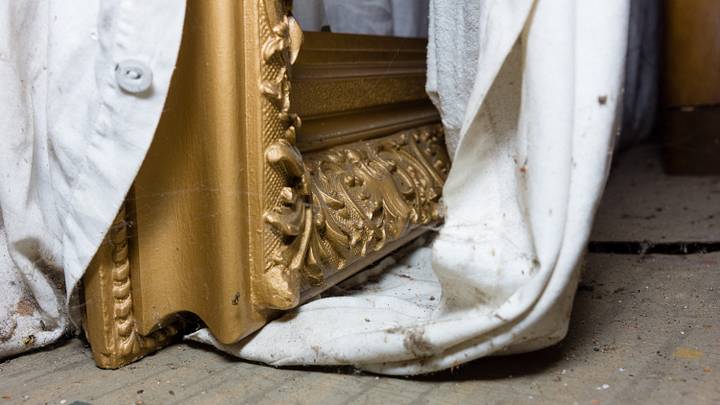
In Ireland, it’s traditional for the deceased to be kept not in a chapel of rest, but at home or the home of a relative or loved one ahead of their funeral. And in a number of countries and cultures around the world, a tradition has emerged that sees any mirrors around a person’s house covered during a funeral, a wake, or a period of mourning.
A Different Reflection on Grief

In some cultures, the covering of mirrors is linked to superstition and folklore. In traditional Chinese funerals, for instance, it’s claimed that spotting a coffin or the face of the deceased in a reflective surface is considered bad luck or, worse still, might portend that another death is to come.
Chinese tradition also maintains that a dead person’s spirit can become trapped in an uncovered mirror. Similarly, the Victorians believed in a soul-trapping supernatural side to the appearance of mirrors at wakes and funerals, and similar ideas exist in the traditions of many Slavic and Celtic cultures, too. Mirrors here are often viewed as gateways or portals to the afterlife, and so leaving them uncovered is said to confuse the deceased’s spirit, leaving it lost, trapped, or unable to find its way on.
The Mourner in the Mirror

A more practical and respectful reasoning underpins the covering of mirrors in Judaism. In the Jewish tradition of sitting shivah—a family’s week-long period of prescribed mourning, held at the house of the person who has died—participants are often expected to sit on low chairs or on the floor, may not wear new clothes, shave, or cut their hair, must not work or carry out regular business, and must cover all mirrors in the vicinity.
This is all understandably out of respect for the deceased—but the removal of mirrors from the proceedings specifically is intended to take any sense of vanity or concern for one’s appearance out of the equation, so that the entire period remains focused on mourning and remembering the dead.
This is not only respectful, but can prove calming and reassuring for the family of the deceased too: by not having repeatedly catching sight of themselves in mirrors and reflective surfaces, they don’t have to worry about the unappealing outward signs of being upset—puffy and inflamed eyes, pinkish skin, and so on—and with that psychological weight taken off their shoulders, the mood in the house can remain calm and introspective throughout.