%20%20--%3E%0A%3Csvg%20version%3D%221.1%22%20id%3D%22Layer_1%22%20xmlns%3D%22http%3A%2F%2Fwww.w3.org%2F2000%2Fsvg%22%20xmlns%3Axlink%3D%22http%3A%2F%2Fwww.w3.org%2F1999%2Fxlink%22%20x%3D%220px%22%20y%3D%220px%22%0A%09%20viewBox%3D%220%200%20684.6%2068.1%22%20style%3D%22enable-background%3Anew%200%200%20684.6%2068.1%3B%22%20xml%3Aspace%3D%22preserve%22%3E%0A%3Cg%3E%0A%09%3Cpath%20d%3D%22M444.1%2C29.3h-17.4v14.5h17.4V29.3z%20M36.4%2C68.1l29.3-50.8V0H50.4L32.9%2C36.8L15.5%2C0H0v68.1h16.7V45.8l12.4%2C22.3H36.4z%0A%09%09%20M49.1%2C68.1h16.6V23.4L49.1%2C52.1V68.1z%20M76.6%2C68.1h45V53.8H93.3V41.6h21V27.1h-21V14.8h28.3V0.1h-45V68.1z%20M175.6%2C68.1h17.3v-68%0A%09%09h-16.5v40.3L150%2C0.1h-17.6v68h16.7V27.7L175.6%2C68.1z%20M235.8%2C14.8h15.4V0.1h-47.4v14.7H219v53.2h16.8V14.8z%20M290.3%2C45.9h-17.1%0A%09%09l7.5-15.6h2L290.3%2C45.9z%20M298.7%2C68.1h18l-32.2-68h-5.7l-32%2C68h18l3.3-7.1h27.1L298.7%2C68.1z%20M325.2%2C68.1h46.2V53.8h-29.6V0.1h-16.7%0A%09%09V68.1z%20M423.7%2C14.8h27.2V0.1H407v68h16.7V14.8z%20M462%2C68.1h46.2V53.8h-29.6V0.1H462V68.1z%20M564.8%2C34.1c0%2C10.7-7.2%2C19.2-18.5%2C19.2%0A%09%09c-11.4%2C0-18.5-8.5-18.5-19.2s7.1-19.2%2C18.5-19.2C557.6%2C14.9%2C564.8%2C23.4%2C564.8%2C34.1%20M580.6%2C34.1c0-19-14.2-34-34.3-34%0A%09%09c-20.2%2C0-34.3%2C15-34.3%2C34c0%2C19%2C14.1%2C34%2C34.3%2C34C566.4%2C68.1%2C580.6%2C53.1%2C580.6%2C34.1%20M604.8%2C20.5c0-4.1%2C3.3-6.2%2C6.7-6.2%0A%09%09c4.4%2C0%2C6.6%2C3%2C6.6%2C6.6h14.7C631.8%2C9.1%2C625.1%2C0.1%2C611%2C0.1c-12%2C0-21.7%2C9.3-21.7%2C20.6c0%2C10.9%2C5.9%2C15.9%2C16.7%2C19.8%0A%09%09c5.2%2C1.8%2C11.5%2C3.2%2C11.5%2C8c0%2C3.3-2.4%2C5.5-6.4%2C5.5c-3.6%2C0-6.6-3-6.6-6.7h-15.2c0%2C11.5%2C7.9%2C20.8%2C21.8%2C20.8c12%2C0%2C21.6-9.3%2C21.6-20.6%0A%09%09c0-10-5.3-16.4-16.7-19.8C610.6%2C26.1%2C604.8%2C25.3%2C604.8%2C20.5%20M670%2C20.9h14.7C683.8%2C9.1%2C677.1%2C0.1%2C663%2C0.1c-12%2C0-21.7%2C9.3-21.7%2C20.6%0A%09%09c0%2C10.9%2C5.9%2C15.9%2C16.7%2C19.8c5.2%2C1.8%2C11.5%2C3.2%2C11.5%2C8c0%2C3.3-2.4%2C5.5-6.4%2C5.5c-3.6%2C0-6.6-3-6.6-6.7h-15.2c0%2C11.5%2C7.9%2C20.8%2C21.8%2C20.8%0A%09%09c12%2C0%2C21.6-9.3%2C21.6-20.6c0-10-5.3-16.4-16.7-19.8c-5.4-1.6-11.3-2.4-11.3-7.2c0-4.1%2C3.3-6.2%2C6.7-6.2C667.7%2C14.4%2C670%2C17.3%2C670%2C20.9%0A%09%09%22%2F%3E%0A%3C%2Fg%3E%0A%3C%2Fsvg%3E%0A)

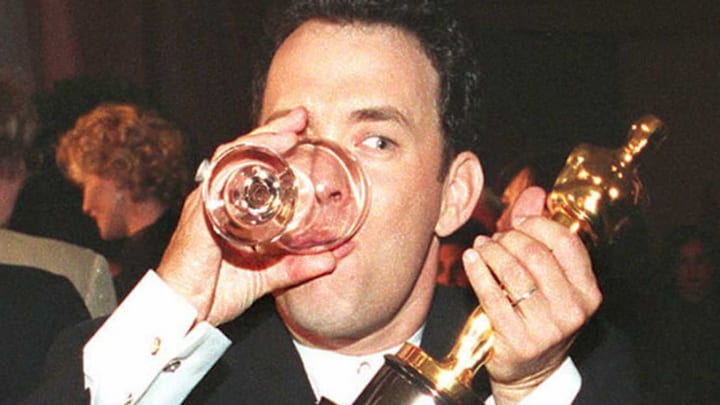
Film history is littered with blockbusters, but not all of them have been honored with “Best Picture” at the Academy Awards. The category, which dates back to the 1920s, includes Oscar winners that might surprise the casual movie lover.
Though many are unveiled in the summer months, Blockbusters can be released at any time of the year. While they do tend to have massive budgets, there have been domestic and global sensations with modest allocations that caught fire and changed the game as well.
The following list, in order of decade, will take you through eras in the film industry that were shaped by Best Picture recipients, whether through culture, technique, or sheer success. While some titles are recognizable, particularly from the 1970s and 1990s golden ages of influence, others have been lost in time.
The 1930s

While the term “blockbuster” had yet to enter the pop culture lexicon, the 1930s were significant in film history due to the first Academy Awards in 1929 and the creation of “talkies,” the nickname given to films with sound.
The Broadway Melody
Budget: $329K | Box office: $4.3M
The second movie to win the Oscar for Best Picture was The Broadway Melody, which also holds the honor of being the first film with sound to win the award. The year was 1930, and the musical was the first of its kind to be produced by MGM.
Today, Broadway actors looking to make it onto the big screen are common, but in 1929, when the film was first released, the grandeur and propulsive nature of the performances in the shows had been left to the stage. This movie set an early standard for the musical genre and the recording of sound.
It Happened One Night
Budget: $325K | Box office: $2.5M
The first romantic comedy to win Best Picture was It Happened One Night in 1935. The film was also the first movie to sweep all five major categories: Best Picture, Best Director, Best Screenplay, Best Actor, and Best Actress.
While the film had a major influence on the genre that would give rise to hits such as Roman Holiday and Runaway Bride, its most surprising contribution to pop culture is likely Bugs Bunny’s carrot eating. In a 1975 interview, Warner Bros. animation director Bob Clampett credited the iconic rabbit’s chewing style to the way Clark Gable ate carrots in the movie.
The 1940s

The Best Picture winners in this era of Hollywood were characterized by their preoccupation with war and its effects on the human condition, as well as more psychological explorations of characters in film. While artistry was still paramount, perfection had to make room for difficult subject matters following the Great Depression and the onset of World War II.
Gone with the Wind
Budget: $3.9M | Box office: $390.5M
Gone with the Wind remains MGM’s greatest success. The historical romance, which took the nation by storm, is the highest-grossing film of all time (when adjusted for inflation). Its Best Picture win in 1940 also came on the heels of Hattie McDaniel becoming the first Black person to win an Oscar. She won Best Supporting Actress for her role as Mammy.
The movie, set during the Civil War and the Reconstruction period in America, has been criticized over the decades for its romanticization of the Confederacy and the Antebellum South. It’s been a mainstay in pop culture, with references to Scarlett O’Hara making a dress from curtains and the love story between her and Rhett Butler being included in books, TV shows, and films published in the years since.
Rebecca
Budget: $1.2M | Box office: $6M
Alfred Hitchcock had already made a name for himself in England by the time he directed his first American film, Rebecca. But the psychological thriller would be the first to earn him an Oscar nomination for Best Director and the first and only film he directed to win Best Picture. The movie, which won in 1941, is also the first thriller to have received the honor.
Rebecca launched Hitchcock’s storied career in Hollywood, setting the standard by which the director would be known, with a filmography that marked him as the master of suspense.
Mrs. Miniver
Budget: $1.3M | Box office: $8.8M
Mrs. Miniver, an American film depicting the Blitz, captured the nation’s attention during World War II. Released in 1942, just six months after the attack on Pearl Harbor, American audiences had become intimately familiar with the war effort domestically, but the movie gave them a look at Britain’s fight against Nazi Germany and its allies.
The film was not only a commercial and critical success, winning Best Picture in 1943, but it was also used as propaganda in support of the war. It worked two-fold, swaying the American public toward supporting Britain, and as a morale boost for the Brits. British Prime Minister Winston Churchill is said to have stated that Mrs. Miniver was as effective as a whole regiment in the war effort.
The Lost Weekend
Budget: $1.25M | Box office: $11M
1946’s Best Picture, The Lost Weekend, took a hard look at the effects of alcoholism on the addict and the people around them. The film struck a chord with the American public because it was one of the only movies of the period that treated a substance disease with real weight. Service members who fought in World War II were plagued by alcoholism, and The Lost Weekend resonated with an audience who’d seen that issue up close.
The movie is also credited for its innovative film techniques, including the depiction of Don Birnam's alcoholic episodes, inebriation, and paranoia. From chiaroscuro lighting to the tilt of the camera, the film creatively examined the lead character’s illness and mental health.
The 1950s

Influenced by the ‘40s preoccupation with the raw realities of life, the Best Picture films in the ‘50s were a mix of the musical and romantic splendors of Old Hollywood and the new preoccupation of pushing the boundaries of what’s seen on-screen. Whether through grandiose productions like The Greatest Show on Earth and Around the World in 80 Days, or war drama blockbusters that had the biggest impact on filmmaking as an art form.
From Here to Eternity
Budget: $1.6M | Box office: $30.5M
Based on James Jones’ 1951 novel of the same name, From Here to Eternity took viewers back to the months leading up to the attack on Pearl Harbor. It won Best Picture in 1954, and the performances of the actors were praised. Its most talked about scene was the clandestine moment on the beach between Karen Holmes and Sgt. Milton Warden.
The pair shared a passionate kiss while lying in the sand. Intimate moments like their exchange had not been depicted in a Hollywood film before, let alone between a married woman and her paramour. According to Time, the kiss “was so steamy that the MPAA banned the use of still photos of the scene in ads for the movie, and many moviegoers saw a shortened version of the scene because projectionists would snip a few frames as souvenirs.” The moment has been referenced and spoofed in movies like Grease and The Nutty Professor.
The Bridge on the River Kwai
Budget: $3M | Box office: $33.3M
Blacklisted writers Carl Foreman and Michael Wilson were largely responsible for The Bridge on the River Kwai’s script, despite author Pierre Boulle taking home the Academy Award for Best Adapted Screenplay. The Best Picture of 1958 is believed to have changed the course of British filmmaking due to its focus on a historical moment, such as British POWs working on a bridge for the Japanese, just as Allied forces are on a mission to destroy it. Subsequent movies would be costly epics made by Hollywood, instead of films that focused on English life.
The 1960s

The Best Picture winners in the 1960s were dominated by big-budget epics, musicals, and comedies. Social commentary and historical reflections were baked into song and dance spectacles, uniting the skillful art of filmmaking with a point of view.
Ben-Hur
Budget: $15M | Box office: $80M
The most expensive movie MGM ever produced was the religious epic Ben-Hur (in 1959), but the film was also the studio’s saving grace. It was a massive critical and box office success, winning Best Picture in 1960 at a time when the company was in danger of going bankrupt. The 1948 consent decrees, which required studios to divest their theater chains, put MGM in direct competition with television.
Ben-Hur was a gamble that paid off, pulling audiences into a story about one man’s quest for revenge and forgiveness. The movie grabbed viewers by the hand and guided them into the past through action, humanity, and the wonders of advances in filmmaking.
A standout moment is the chariot race, where the camera is amongst the action, detailing every heart-pounding second. The creatives and talent behind the film were awarded 11 Oscars, the most received by a single movie and tied only with Titanic and The Lord of the Rings: The Return of the King.
West Side Story
Budget: $6M | Box office: $48M
Until 1962, only one other Shakespeare adaptation had won Best Picture—the 1948 film Hamlet—but West Side Story’s modern interpretation of Romeo and Juliet was unlike any movie brought to screen before it. Marrying the color and splash of its Broadway predecessor with the scope and scale of a Hollywood production, the film turned Verona into New York City and the rival families into feuding gangs.
The movie won 10 Academy Awards, the most ever received by a musical, including Best Supporting Actress for Hollywood legend Rita Morena. She became the first Latina to win the category and would be an EGOT winner by 1977, a rare feat that had only been achieved by two others at the time.
Race relations, along with class and identity, sit at the heart of West Side Story as tensions rise between the white Jets and Puerto Rican Sharks. But the movie has also faced criticism over the decades for the use of brownface to match preconceived notions of how Puerto Ricans should look. Still, the film set a standard for innovative adaptations and remains one of the most beloved musicals of all time.
The Sound of Music
Budget: $8.2M | Box office: $287.8M
At one point, The Sound of Music was the highest-grossing film in history, surpassing Gone with the Wind for years. That’s how beloved the musical starring icon Julie Andrews was when the film won Best Picture in 1966.
As Ben-Hur did for MGM, the movie about the von Trapp family saved 20th Century Fox when it was in danger of going bankrupt due to the financial losses accrued from producing Cleopatra. Not only is The Sound of Music considered the most successful musical on film, but it’s also one of the most referenced from children’s media to adult comedies.
In the Heat of the Night
Budget: $2M | Box office: $24.4M
In the Heat of the Night was a landmark film. The drama about a Black police detective conducting a murder investigation with a racist white police chief in Mississippi stuck true to race relations in the South while taking its audience through a compelling mystery plot.
Sidney Poitier and Rod Steiger’s performances were lauded, with the latter winning Best Actor in 1968 (the same year the film won Best Picture). The most impactful moment in the film is when Tibbs slaps Endicott after the man slapped him. Before In the Heat of the Night, a Black character hadn’t hit a white character in a film made by a major studio without violent repercussions.
The movie, like Poitier’s filmography, is credited with being a part of the shift in the portrayal of Black people on-screen and a precursor to the Blaxploitation films of the ‘70s. Tibbs’ story continued in two sequels and was made into a television series.
The 1970s

With few exceptions, the Academy awarded more hard-hitting films in the ‘70s. From war dramas to gangster movies, the era’s grittier subject matter captured the nation’s attention. The decade saw the birth of pop culture and critical hits that would define and influence film and television for years to come.
The Godfather
Budget: $7M | Box office: $270M
The Godfather was a genre-defining film that elevated gangster movies while exploring the American Dream and the connection between organized crime and politics. It’s no wonder the Francis Ford Coppola-directed game-changer won Best Picture in 1973, and its sequel received the award in 1975. The movie launched the careers of both Coppola and Al Pacino, was a career highlight for Best Actor winner Marlon Brando, and is one of the most influential films of the 20th century.
Rocky
Budget: $1M | Box office: $225M
Made on a modest budget, Rocky was the vehicle that turned Sylvester Stallone into a star. He achieved this through the might of his pen, having written the screenplay about an underdog fighter and insisting that he play Rocky Balboa himself.
The sports drama’s success led to a Best Picture win in 1977 and a popular franchise that’s still beloved well into the 21st century. Rocky is considered one of the best rags-to-riches stories to come from Hollywood, and its themes had a major influence on sports films produced after its release.
The 1980s

While there are notable Best Picture wins in the 1980s, this era in film for the Oscars was focused primarily on period pieces. Most of the game-changing movies were pop culture hits that resonated with the masses but weren’t recognized by the Academy. However, two films won the category and made history. They did so with stories that centered on Asian historical figures.
Gandhi
Budget: $22M | Box office: $127.7M
The Best Picture of 1983 was Gandhi, a biopic about the titular non-violent leader in the Indian independence movement. It was a critically acclaimed movie that brought Mahatma Gandhi’s teachings to a mainstream audience. It’s the first film with a majority Indian cast to receive the award.
Sir Ben Kingsley won Best Actor, making him the first British Indian to win the category. Bhanu Athaiya won the award for Best Costume Design, along with John Mollo. She was the first Indian to win an Oscar. The film holds the Guinness World Record for most extras, with a reported total of 300,000 filmed during the funeral scene.
Gandhi has been criticized for using makeup to darken Kingsley’s skin to match the tone of the historical figure.
The Last Emperor
Budget: $22M | Box office: $44M
The epic biopic about Puyi, the last emperor of China, won the award for Best Picture in 1988. The movie won all nine of its nominations, which is a rare achievement. It was the first film set in China to receive the Academy’s top honor, and the first foreign production to be permitted to film in the Forbidden City.
The Last Emperor was well-received but criticized for its inaccuracies about Puyi’s life, from his cruel treatment of his servants (more violent than depicted) to his relationships with his wives, who weren’t as intimate as shown in the film. The movie is the sole Best Picture winner of the 20th century with a majority East Asian cast, a feat that wouldn’t be matched until 35 years later when Everything Everywhere All at Once won the award.
The 1990s

Succeeding a decade of opulence and Best Picture wins that capitalized on the success of well-known actors like Meryl Streep, Tom Cruise, Shirley MacLaine, Dustin Hoffman, Robert Redford, and Morgan Freeman is not easy. But the ‘90s Oscar winners in the category had a more substantial impact on film than most of their predecessors.
Dances with Wolves
Budget: $19M | Box office: $424.2M
In an era where westerns were essentially written off as a bygone lens with which to tell stories, Dances with Wolves defied expectations. The film won Best Picture in 1991, becoming one of only four to have received the honor and the second to achieve the feat—the first was Cimarron, which was released 60 years prior in 1931. The Kevin Costner-led film is credited with revitalizing the western genre in pop culture and was the directorial debut of its leads.
Dances with Wolves is primarily in Lakota with English subtitles provided for the audience. The film is one of the few major motion pictures in the late 20th century to feature Native American stars. Graham Greene was nominated for Best Supporting Actor, making him only the second North American indigenous actor to receive a nod from the Academy—the first was Chief Dan George for 1970’s Little Big Man.
Views on Native American representation in the film were mixed, particularly juxtaposed with the portrayal of Lieutenant John Dunbar as a “white savior” figure. However, its blockbuster status did boost the careers of Native actors in the movie and increased leading and supporting roles for Native talent, with opportunities rising from 87 roles in 1985 to 436 roles in 1993.
Silence of the Lambs
Budget: $20M | Box office: $275.7M
When The Silence of the Lambs won Best Picture in 1992, it became the first horror movie to receive the honor. There has yet to be a film in the genre to reach the same feat. It also swept the top five categories, becoming the third movie in history to do so. Like Dances with Wolves and The Godfather before it, the film is a triumph of its genre. It captured the minds of the audience and set a standard for psychological thrillers on the silver screen and on television.
The Silence of the Lambs became a franchise, with its most popular TV iteration being NBC’s Hannibal. But the film has been criticized for the portrayal of Buffalo Bill, the serial killer at the heart of the story, who reads as queer-coded even though he is neither gay nor trans. Due to the lack of positive representation for queer identities on film at the time, his characterization tread in harmful tropes. Despite this, it’s been argued that Buffalo Bill is a part of the trans legacy in cinema as one of the last portrayals of the trans killer trope before more sympathetic and progressive depictions of gender identity and transition would arrive in the mainstream.
Schindler’s List
Budget: $25M | Box office: $322.1M
Better known for his sci-fi, horror, and action-adventure work at the time, famed director Steven Spielberg’s Holocaust film Schindler’s List was only the third epic of his career. In 1994, it was the first of his movies to win Best Picture and the first to earn him the title “Best Director.”
A year prior, Spielberg told the Hollywood Foreign Press that he’d finally made the movie after a decade of concern that he wasn’t mature enough to direct it, because Holocaust denial was on the rise and the people of Bosnia were experiencing genocidal atrocities.
Spielberg said, “I don’t think any movie can save the world, but if this film could at least raise the consciousness level a little higher and people were able to find a very strong metaphor for what’s happening today in the world through the Holocaust, then this was the right time to make Schindler’s List.”
The movie is the most well-known and influential motion picture about the Holocaust. It exceeded expectations as films about the horrific genocide of the Jewish people and murders of those deemed undesirable by the Nazis during World War II were not typically commercial successes. But the story of the German industrialist who saved thousands of Jewish refugees resonated around the world and helped combat the erasure of one of the worst horrors in modern history.
Forrest Gump
Budget: $55M | Box office: $679.8M
The majority of ‘90s Best Picture winners prior to Forrest Gump were singular achievements in their genres, either bringing them into the mainstream, revitalizing interest in their art form, or shedding light on an important historical period. The Tom Hanks-led dramedy about an Alabama man with an intellectual disability who happens to be present during important moments in 20th-century American history achieved technical feats that had yet to be seen by an Academy Award-winning film.
Hanks was inserted into archival footage, and entire scenes with the titular character were shaped around the events unfolding in that footage. The film presented American society and culture from Forrest’s perspective, but was criticized for its refusal to examine or interrogate the history and dynamics that Forrest was part and party to. Still, as polarizing as Forrest Gump was when it won Best Picture in 1995, the movie remains one of the greatest technical achievements in 20th-century filmmaking.
Titanic
Budget: $200M | Box office: $2.2B
The 1998 Best Picture winner, Titanic, is the most expensive film to ever win the award. The epic historical romance also tied Ben-Hur for the most Academy Awards won by a movie. It received 11 Oscars, was the first movie to reach the billion-dollar mark, and is currently the fourth-highest-grossing film of all time.
Titanic was a cultural phenomenon when it was released in 1997, contributing to the explosion of interest and obsession with star Leonardo DiCaprio and making Kate Winslet a household name. The film was also a marvel with its special effects that brought the historic tragedy to life. Revered critic Roger Egbert, a director considered to be “the king of f/x,” called it “a triumph of reconstructed realism.”
The 2000s

Filmmaking in the new millennium was a different beast from what came before, with blockbusters increasingly being adapted from well-known IP and born from well-established franchises. As such, the majority of Best Picture winners from the first 25 years of the 21st century were commercial and critical successes. They weren’t blockbusters, despite their impact on culture.
With 100 years of cinema in the halls of history and the economics of the industry drastically different from what they were before, game-changing Best Pictures that were also blockbusters are few and far between. Even considering the financial limitations of filmmaking in an era where fewer risks are being taken, there are still shining examples of innovation, creativity, and artistry pushing the needle forward.
Chicago
Budget: $30M | Box office: $306.7M
When Chicago won Best Picture in 2003, it had been 35 years since a musical took home the top honor of the night. The Jazz Age story of fame, scandal, and corruption had been popular in the theater scene since 1926 and was fashioned into a Tony-nominated musical in 1975, winning multiple Tony Awards in 1997.
The film is credited with reviving musical movies and setting the standard for the new century by marrying director Rob Marshall’s musical theatre experience with the fantasy of Roxie’s inner world. It was perfected through staging and production (typically seen in the theatre), and juxtaposed with more modern filming techniques and lighting, which solved the problem of adhering to the Chicago stage musical’s vaudeville revenue style while allowing the characters to break the fourth wall without the audience being jarred by the change.
The Lord of the Rings: The Return of the King
Budget: $94M | Box office: $1.1B
In a massive victory for genre storytelling, The Lord of the Rings: The Return of the King won a record-tying 11 Oscars, including Best Picture, in 2004. It’s the first fantasy to win the award.
The film concluded the lauded Lord of the Rings series and captured the attention of mainstream audiences in a manner that revered the entire trilogy (directed by Peter Jackson) as beloved. Not only is the movie visually captivating, but the narrative’s emotion has been praised just as much as the special effects and set production.
Fantasy holds a special place in film history, but the genre is often dismissed as popcorn fodder. The final Lord of the Rings movie’s incredible success, both at the box office and in the critical response to the film, showcased that fantasy can appeal to the masses while also embodying the kind of artistry that inspires and influences media produced in its wake.
The 2010s

12 Years a Slave
Budget: $20M | Box office: $180.7M
Following in the tradition of Best Picture films that explored heavy subject matters, the 2013 winner, 12 Years a Slave, put the Antebellum South and slave trade in sharp relief as it told Solomon Northrup’s real-life story.
Due to their work on the film, director Steve McQueen became the first Black producer to win the Academy’s top honor, and beloved star Lupita Nyong'o won Best Supporting Actress for her first role in a feature film.
12 Years a Slave’s achievements also came with further calls for fewer stories about the brutality and cruelty of slavery and more about the fullness of Black life and history beyond that period in time. Slave films have often been criticized for being made for white audiences and not those descended from the enslaved.
The Shape of Water
Budget: $19.5M | Box office: $195.7M
While love sits at the heart of the film, The Shape of Water has faced criticism for reinforcing harmful tropes through its disabled protagonist, Elisa, who is mute and whose romantic fulfillment is only realized with the Amphibian Man rather than another human.
The othering of Elisa drew pushback from disabled viewers and fellow storytellers, including fantasy author Elsa Sjunneson, who wrote an essay critiquing the prevalence of disabled characters in media, or desirable as romantic partners, and calling for better representation.
For acclaimed director Guillermo del Toro, who was inspired by Creature from the Black Lagoon and his childhood hope that Gill-man and Kay Lawrence would end up together, The Shape of Water is one of his most personal films. He believes the movie saved his life. It’s also the first in his filmography that’s shaped by his concerns as an adult, as it explores themes of “trust, otherness, sex, love, [and] where we’re going.”
The 2020s

Parasite
Budget: $11.8M | Box office: $253.6M
It took 91 years for a non-English language film to be honored as Best Picture. Parasite, the first South Korean movie to receive recognition from the Academy, took home the prize in 2020.
Director Bong Joon Ho’s film, co-written with Han Jin-Won, examines late-stage capitalism in South Korea as the wealth divide between the rich and poor worsens, homes become less affordable, and class conflicts arise. But instead of a staid treatise on the subject, Parasite is a thriller about what can happen when an employee in dire straits takes drastic measures to ensure his family has a roof over their heads.
Everything Everywhere All at Once
Budget: $25M | Box office: $144.9M
The genre-bending absurdist dramedy Everything Everywhere All at Once won the award for Best Picture in 2023. The incredible success came as a surprise. It’s a rare example of an indie film that achieved box office success, and it’s the second-highest-grossing A24-produced motion picture.
Screen legend Michelle Yeoh took home Best Actress for her performance as Evelyn Quan Wang, the film’s protagonist, who is being audited by the IRS and working to stop the destruction of the multiverse. Her triumph marked the first time an Asian woman had been honored with the award. Ke Huy Quan won Best Supporting Actor, becoming the first Vietnam-born actor to win the category, and Jamie Lee Curtis walked away with Best Supporting Actress. All three cast members had won their first Oscars for the film.
Oppenheimer
Budget: $100M | Box office: $977.9M
Famed director Christopher Nolan’s epic biopic about J. Robert Oppenheimer, the father of the atomic bomb, became a phenomenon in the summer of 2023 when it was paired with the Barbie movie as a cultural double feature.
A highly anticipated release, Oppenheimer rocketed to major success, introducing a mainstream audience to a historic figure who developed a world-changing weapon. It’s the highest-grossing biopic of all time. The movie won Best Picture in 2024, and Cillian Murphy won Best Actor, becoming the first Irish-born star to be awarded in the category.
The film wrestled with the titular figure’s perception of his work and self through a narrative that alternated between color and black-and-white scenes. This storytelling device showed the difference between Oppenheimer’s perspective and that of the people who knew him.
Oppenheimer also explored the gravity of the Manhattan Project’s findings, the development of nuclear weapons, and the repercussions of the scientific advances that led to the bombings of Hiroshima and Nagasaki, forever altering the scope and scale of war.