%20%20--%3E%0A%3Csvg%20version%3D%221.1%22%20id%3D%22Layer_1%22%20xmlns%3D%22http%3A%2F%2Fwww.w3.org%2F2000%2Fsvg%22%20xmlns%3Axlink%3D%22http%3A%2F%2Fwww.w3.org%2F1999%2Fxlink%22%20x%3D%220px%22%20y%3D%220px%22%0A%09%20viewBox%3D%220%200%20684.6%2068.1%22%20style%3D%22enable-background%3Anew%200%200%20684.6%2068.1%3B%22%20xml%3Aspace%3D%22preserve%22%3E%0A%3Cg%3E%0A%09%3Cpath%20d%3D%22M444.1%2C29.3h-17.4v14.5h17.4V29.3z%20M36.4%2C68.1l29.3-50.8V0H50.4L32.9%2C36.8L15.5%2C0H0v68.1h16.7V45.8l12.4%2C22.3H36.4z%0A%09%09%20M49.1%2C68.1h16.6V23.4L49.1%2C52.1V68.1z%20M76.6%2C68.1h45V53.8H93.3V41.6h21V27.1h-21V14.8h28.3V0.1h-45V68.1z%20M175.6%2C68.1h17.3v-68%0A%09%09h-16.5v40.3L150%2C0.1h-17.6v68h16.7V27.7L175.6%2C68.1z%20M235.8%2C14.8h15.4V0.1h-47.4v14.7H219v53.2h16.8V14.8z%20M290.3%2C45.9h-17.1%0A%09%09l7.5-15.6h2L290.3%2C45.9z%20M298.7%2C68.1h18l-32.2-68h-5.7l-32%2C68h18l3.3-7.1h27.1L298.7%2C68.1z%20M325.2%2C68.1h46.2V53.8h-29.6V0.1h-16.7%0A%09%09V68.1z%20M423.7%2C14.8h27.2V0.1H407v68h16.7V14.8z%20M462%2C68.1h46.2V53.8h-29.6V0.1H462V68.1z%20M564.8%2C34.1c0%2C10.7-7.2%2C19.2-18.5%2C19.2%0A%09%09c-11.4%2C0-18.5-8.5-18.5-19.2s7.1-19.2%2C18.5-19.2C557.6%2C14.9%2C564.8%2C23.4%2C564.8%2C34.1%20M580.6%2C34.1c0-19-14.2-34-34.3-34%0A%09%09c-20.2%2C0-34.3%2C15-34.3%2C34c0%2C19%2C14.1%2C34%2C34.3%2C34C566.4%2C68.1%2C580.6%2C53.1%2C580.6%2C34.1%20M604.8%2C20.5c0-4.1%2C3.3-6.2%2C6.7-6.2%0A%09%09c4.4%2C0%2C6.6%2C3%2C6.6%2C6.6h14.7C631.8%2C9.1%2C625.1%2C0.1%2C611%2C0.1c-12%2C0-21.7%2C9.3-21.7%2C20.6c0%2C10.9%2C5.9%2C15.9%2C16.7%2C19.8%0A%09%09c5.2%2C1.8%2C11.5%2C3.2%2C11.5%2C8c0%2C3.3-2.4%2C5.5-6.4%2C5.5c-3.6%2C0-6.6-3-6.6-6.7h-15.2c0%2C11.5%2C7.9%2C20.8%2C21.8%2C20.8c12%2C0%2C21.6-9.3%2C21.6-20.6%0A%09%09c0-10-5.3-16.4-16.7-19.8C610.6%2C26.1%2C604.8%2C25.3%2C604.8%2C20.5%20M670%2C20.9h14.7C683.8%2C9.1%2C677.1%2C0.1%2C663%2C0.1c-12%2C0-21.7%2C9.3-21.7%2C20.6%0A%09%09c0%2C10.9%2C5.9%2C15.9%2C16.7%2C19.8c5.2%2C1.8%2C11.5%2C3.2%2C11.5%2C8c0%2C3.3-2.4%2C5.5-6.4%2C5.5c-3.6%2C0-6.6-3-6.6-6.7h-15.2c0%2C11.5%2C7.9%2C20.8%2C21.8%2C20.8%0A%09%09c12%2C0%2C21.6-9.3%2C21.6-20.6c0-10-5.3-16.4-16.7-19.8c-5.4-1.6-11.3-2.4-11.3-7.2c0-4.1%2C3.3-6.2%2C6.7-6.2C667.7%2C14.4%2C670%2C17.3%2C670%2C20.9%0A%09%09%22%2F%3E%0A%3C%2Fg%3E%0A%3C%2Fsvg%3E%0A)

Two days before Blue Velvet opened on September 19, 1986, Newsday ran an interview in which David Lynch explained where the film had come from, and his answer wasn’t a story. It was three pictures that had turned up in his head separately, years apart, with no obvious relationship to one another—and the oldest of the three was a pop song he’d disliked on contact.
1. A Song He Thought Was Schmaltzy
Bernie Wayne and Lee Morris wrote “Blue Velvet” in 1950, and Tony Bennett cut it first, releasing his version in September 1951. Bobby Vinton’s cover arrived 12 years later and did considerably better, hitting No. 1 on the Billboard Hot 100 on September 21, 1963 and holding the spot for three weeks.
Lynch wanted nothing to do with it. “I didn’t like the song ‘Blue Velvet’ when it came out,” he wrote decades later in his 2018 memoir Room to Dream. “It’s not rock ’n’ roll, and it came out during the birth of rock ’n’ roll and that’s where the power was. ‘Blue Velvet’ was schmaltzy and didn’t do a thing for me.”
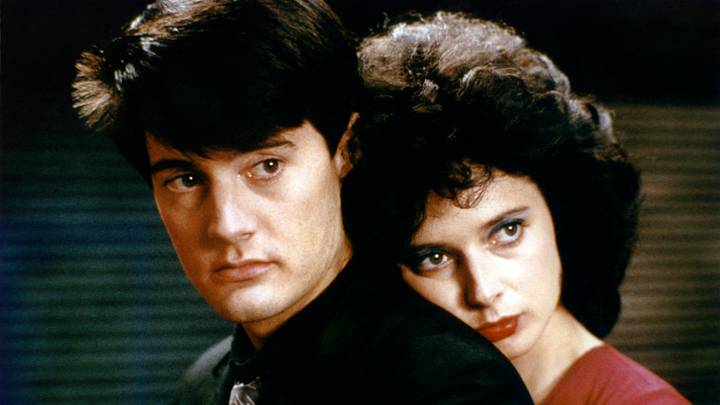
Something turned over on a later listen, though he never pinned down when. “Then I heard it one night and it married with green lawns at night and a woman’s red lips seen through a car window—there was some kind of bright light hitting this white face and these red lips,” he wrote, and he singled out a single line of the lyric as part of the bundle: “and I still can see blue velvet through my tears.”
The song handed him no plot and no characters, just a color scheme and a mood, which in his case was plenty to be going on with.
2. Sneaking Into a Girl’s Room

The second fragment was less wholesome, and Lynch was matter-of-fact about it with Newsday, as quoted by the AFI Catalog: “the next thing that came along was a desire – half-desire, half-idea – of wanting to sneak into a girl’s room and watch her through the night. In that room, I would see something that would be a clue. I maybe wouldn’t know it then, but it would be a clue to a murder or some mystery.”
Anyone who has seen the finished film knows where that one landed, because it is essentially a description of Jeffrey Beaumont folded into Dorothy Vallens’s closet, watching through the slats. The idea arrived as an impulse with a mystery attached to it, and the screenplay’s whole engine is already sitting there in one sentence.
3. An Ear in a Field

The last piece is the one the movie is remembered for, and Lynch could not account for it at all. “And the third thing would be finding this ear in the field,” he told Newsday, as quoted by the AFI Catalog. “And this ear, which I don’t really understand why it has to be an ear – but it has to be an ear – is sort of like a ticket for the hero to go into another world. His life will never be the same.”
He was equally unable to explain it to the people he needed money from. When executive producer Richard Roth walked him into Warner Bros. to pitch the thing, Lynch recalled in Room to Dream, “I’m telling this guy about finding an ear in a field and a few other things about the story, and he turns to Richard and says, ‘Is he making this stuff up?’”
The executive later read a full draft and hated it, in Lynch’s telling, calling it horrible.
The tidy count of three doesn’t entirely survive contact with Lynch’s other tellings. In Room to Dream he describes waking from a dream he couldn’t remember, driving to Universal Studios, and sitting in a secretary’s outer office waiting for a meeting when it came back to him. He asked her for paper and a pencil and wrote down two things: a police radio and a gun. “That did it for me,” he wrote.
By 2006, in his book Catching the Big Fish, the list had gone the other direction. Describing how ideas reach him in fragments, he named red lips, green lawns, and the Vinton record, then an ear lying in a field, and stopped—the girl’s room, the thing that became the movie’s most famous sequence, had dropped off the list entirely.
Lynch spent 40 years insisting he didn’t fully understand his own movies, and the record of him counting their parts suggests he wasn’t being coy.