%20%20--%3E%0A%3Csvg%20version%3D%221.1%22%20id%3D%22Layer_1%22%20xmlns%3D%22http%3A%2F%2Fwww.w3.org%2F2000%2Fsvg%22%20xmlns%3Axlink%3D%22http%3A%2F%2Fwww.w3.org%2F1999%2Fxlink%22%20x%3D%220px%22%20y%3D%220px%22%0A%09%20viewBox%3D%220%200%20684.6%2068.1%22%20style%3D%22enable-background%3Anew%200%200%20684.6%2068.1%3B%22%20xml%3Aspace%3D%22preserve%22%3E%0A%3Cg%3E%0A%09%3Cpath%20d%3D%22M444.1%2C29.3h-17.4v14.5h17.4V29.3z%20M36.4%2C68.1l29.3-50.8V0H50.4L32.9%2C36.8L15.5%2C0H0v68.1h16.7V45.8l12.4%2C22.3H36.4z%0A%09%09%20M49.1%2C68.1h16.6V23.4L49.1%2C52.1V68.1z%20M76.6%2C68.1h45V53.8H93.3V41.6h21V27.1h-21V14.8h28.3V0.1h-45V68.1z%20M175.6%2C68.1h17.3v-68%0A%09%09h-16.5v40.3L150%2C0.1h-17.6v68h16.7V27.7L175.6%2C68.1z%20M235.8%2C14.8h15.4V0.1h-47.4v14.7H219v53.2h16.8V14.8z%20M290.3%2C45.9h-17.1%0A%09%09l7.5-15.6h2L290.3%2C45.9z%20M298.7%2C68.1h18l-32.2-68h-5.7l-32%2C68h18l3.3-7.1h27.1L298.7%2C68.1z%20M325.2%2C68.1h46.2V53.8h-29.6V0.1h-16.7%0A%09%09V68.1z%20M423.7%2C14.8h27.2V0.1H407v68h16.7V14.8z%20M462%2C68.1h46.2V53.8h-29.6V0.1H462V68.1z%20M564.8%2C34.1c0%2C10.7-7.2%2C19.2-18.5%2C19.2%0A%09%09c-11.4%2C0-18.5-8.5-18.5-19.2s7.1-19.2%2C18.5-19.2C557.6%2C14.9%2C564.8%2C23.4%2C564.8%2C34.1%20M580.6%2C34.1c0-19-14.2-34-34.3-34%0A%09%09c-20.2%2C0-34.3%2C15-34.3%2C34c0%2C19%2C14.1%2C34%2C34.3%2C34C566.4%2C68.1%2C580.6%2C53.1%2C580.6%2C34.1%20M604.8%2C20.5c0-4.1%2C3.3-6.2%2C6.7-6.2%0A%09%09c4.4%2C0%2C6.6%2C3%2C6.6%2C6.6h14.7C631.8%2C9.1%2C625.1%2C0.1%2C611%2C0.1c-12%2C0-21.7%2C9.3-21.7%2C20.6c0%2C10.9%2C5.9%2C15.9%2C16.7%2C19.8%0A%09%09c5.2%2C1.8%2C11.5%2C3.2%2C11.5%2C8c0%2C3.3-2.4%2C5.5-6.4%2C5.5c-3.6%2C0-6.6-3-6.6-6.7h-15.2c0%2C11.5%2C7.9%2C20.8%2C21.8%2C20.8c12%2C0%2C21.6-9.3%2C21.6-20.6%0A%09%09c0-10-5.3-16.4-16.7-19.8C610.6%2C26.1%2C604.8%2C25.3%2C604.8%2C20.5%20M670%2C20.9h14.7C683.8%2C9.1%2C677.1%2C0.1%2C663%2C0.1c-12%2C0-21.7%2C9.3-21.7%2C20.6%0A%09%09c0%2C10.9%2C5.9%2C15.9%2C16.7%2C19.8c5.2%2C1.8%2C11.5%2C3.2%2C11.5%2C8c0%2C3.3-2.4%2C5.5-6.4%2C5.5c-3.6%2C0-6.6-3-6.6-6.7h-15.2c0%2C11.5%2C7.9%2C20.8%2C21.8%2C20.8%0A%09%09c12%2C0%2C21.6-9.3%2C21.6-20.6c0-10-5.3-16.4-16.7-19.8c-5.4-1.6-11.3-2.4-11.3-7.2c0-4.1%2C3.3-6.2%2C6.7-6.2C667.7%2C14.4%2C670%2C17.3%2C670%2C20.9%0A%09%09%22%2F%3E%0A%3C%2Fg%3E%0A%3C%2Fsvg%3E%0A)

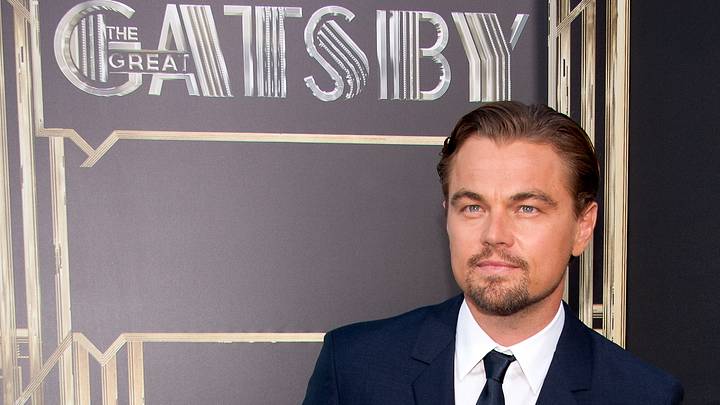
F. Scott Fitzgerald's 1925 book, The Great Gatsby, has been read and studied for a century as an example of the Great American Novel. One of literature's classics, The Great Gatsby is like a time capsule from the Jazz Age. Its commentary on wealth and class has captured many imaginations and inspired several film and stage adaptations. But only a few successfully brought Fitzgerald's story to life.
Five film adaptations were made of The Great Gatsby in the 101 years since the book's publication, each with varying degrees of accuracy and value. Thanks to Rotten Tomatoes, we can see how each adaptation ranks when compared with the others. These are the five The Great Gatsby films from worst to best according to Rotten Tomatoes.
- The Great Gatsby (2000)
- The Great Gatsby (1949)
- The Great Gatsby (1974)
- The Great Gatsby (2013)
- The Great Gatsby (1926)
The Great Gatsby (2000)
The 2000 TV movie version of The Great Gatsby had a solid cast and crew, making it seem like it would be a hit. With Toby Stephens as Jay Gatsby, Paul Rudd as Nick Carraway, and Mira Sorvino as Daisy Buchanan, it sounds like a decent adaptation. But Rotten Tomatoes critics and audiences found it boring and flat, giving it only 27% on the Popcornmeter.
One of the biggest mistakes this adaptation made, according to reviews, was giving Gatsby a white car. Creative liberties are expected in any book-to-film adaptation, but getting rid of the conspicuous yellow car was a step too far for viewers. Though some people felt Rudd did great as Nick, the rest said they understood very quickly why the movie had been made for TV.
The Great Gatsby (1949)
The novel did not become famous during Fitzgerald's lifetime, but was popularized when copies were sent to American troops in World War II. The 1949 adaptation of The Great Gatsby was meant to capitalize on the popularity of the novel, but unfortunately, it struggled to fully meet expectations.
Alan Ladd did pretty well at playing Jay Gatsby, but this version was one of the least accurate adaptations, frustrating critics and audiences alike. Critics rated this version at 30% on the Tomatometer. Audiences were a bit more generous, giving the film a 40% Popcornmeter. The consensus seems to be that this adaptation was too "Hollywood" and not enough of Fitzgerald's original message.
The Great Gatsby (1974)
The 1974 Great Gatsby adaptation, with Robert Redford as Gatsby, is the version most of us are familiar with because of school. After reading the novel in class, teachers would show this film. If you're a millennial or older and have only seen one Great Gatsby film, it's highly likely that this is the one you saw and remember.
This adaptation is one of the most, if not the most, accurate. The script even uses direct quotes from the book in several scenes. However, it focuses so hard on being accurate that it misses the authenticity of the human emotions. Critics gave it 40% and said it felt like watching "living statues" in a museum rather than the tragic drama it was meant to be. Audiences gave it 47%, thinking that Redford was wonderful but the story was dry.
The Great Gatsby (2013)
If we were rating how "meme-able" these adaptations are, Baz Luhrmann's 2013 The Great Gatsby would win. Some of the younger generations were introduced to Leonardo DiCaprio as Jay Gatsby through memes and GIFs before they even knew the book existed. But rating the film has critics and audiences split.
Fans of Luhrmann's works, especially Romeo + Juliet, which also starred DiCaprio, loved the flashy visuals and opulence that overflowed in each scene. But a few viewers felt that there was too much emphasis on the parties and glamor, and that it diluted or outright erased the morals of the story. This adaptation received a 49% from critics and a 67% from audiences.
The Great Gatsby (1926)
According to Rotten Tomatoes, the top-rated adaptation of The Great Gatsby is the 1926 film. Released only a year after the book was published, this silent film was incredibly accurate to the novel, but it also struggled to truly capture the enigmatic parts of Gatsby's character.
There is no audience score because this version has been lost. Only the trailer for the film exists for us to watch today. Critics have given this adaptation a 52% on the Tomatometer. It was not anywhere near being "certified fresh," but it is the highest rating among critics for its importance in film history and its accuracy to the source material, even if the characterization fell short of Gatsby's larger-than-life personality.