%20%20--%3E%0A%3Csvg%20version%3D%221.1%22%20id%3D%22Layer_1%22%20xmlns%3D%22http%3A%2F%2Fwww.w3.org%2F2000%2Fsvg%22%20xmlns%3Axlink%3D%22http%3A%2F%2Fwww.w3.org%2F1999%2Fxlink%22%20x%3D%220px%22%20y%3D%220px%22%0A%09%20viewBox%3D%220%200%20684.6%2068.1%22%20style%3D%22enable-background%3Anew%200%200%20684.6%2068.1%3B%22%20xml%3Aspace%3D%22preserve%22%3E%0A%3Cg%3E%0A%09%3Cpath%20d%3D%22M444.1%2C29.3h-17.4v14.5h17.4V29.3z%20M36.4%2C68.1l29.3-50.8V0H50.4L32.9%2C36.8L15.5%2C0H0v68.1h16.7V45.8l12.4%2C22.3H36.4z%0A%09%09%20M49.1%2C68.1h16.6V23.4L49.1%2C52.1V68.1z%20M76.6%2C68.1h45V53.8H93.3V41.6h21V27.1h-21V14.8h28.3V0.1h-45V68.1z%20M175.6%2C68.1h17.3v-68%0A%09%09h-16.5v40.3L150%2C0.1h-17.6v68h16.7V27.7L175.6%2C68.1z%20M235.8%2C14.8h15.4V0.1h-47.4v14.7H219v53.2h16.8V14.8z%20M290.3%2C45.9h-17.1%0A%09%09l7.5-15.6h2L290.3%2C45.9z%20M298.7%2C68.1h18l-32.2-68h-5.7l-32%2C68h18l3.3-7.1h27.1L298.7%2C68.1z%20M325.2%2C68.1h46.2V53.8h-29.6V0.1h-16.7%0A%09%09V68.1z%20M423.7%2C14.8h27.2V0.1H407v68h16.7V14.8z%20M462%2C68.1h46.2V53.8h-29.6V0.1H462V68.1z%20M564.8%2C34.1c0%2C10.7-7.2%2C19.2-18.5%2C19.2%0A%09%09c-11.4%2C0-18.5-8.5-18.5-19.2s7.1-19.2%2C18.5-19.2C557.6%2C14.9%2C564.8%2C23.4%2C564.8%2C34.1%20M580.6%2C34.1c0-19-14.2-34-34.3-34%0A%09%09c-20.2%2C0-34.3%2C15-34.3%2C34c0%2C19%2C14.1%2C34%2C34.3%2C34C566.4%2C68.1%2C580.6%2C53.1%2C580.6%2C34.1%20M604.8%2C20.5c0-4.1%2C3.3-6.2%2C6.7-6.2%0A%09%09c4.4%2C0%2C6.6%2C3%2C6.6%2C6.6h14.7C631.8%2C9.1%2C625.1%2C0.1%2C611%2C0.1c-12%2C0-21.7%2C9.3-21.7%2C20.6c0%2C10.9%2C5.9%2C15.9%2C16.7%2C19.8%0A%09%09c5.2%2C1.8%2C11.5%2C3.2%2C11.5%2C8c0%2C3.3-2.4%2C5.5-6.4%2C5.5c-3.6%2C0-6.6-3-6.6-6.7h-15.2c0%2C11.5%2C7.9%2C20.8%2C21.8%2C20.8c12%2C0%2C21.6-9.3%2C21.6-20.6%0A%09%09c0-10-5.3-16.4-16.7-19.8C610.6%2C26.1%2C604.8%2C25.3%2C604.8%2C20.5%20M670%2C20.9h14.7C683.8%2C9.1%2C677.1%2C0.1%2C663%2C0.1c-12%2C0-21.7%2C9.3-21.7%2C20.6%0A%09%09c0%2C10.9%2C5.9%2C15.9%2C16.7%2C19.8c5.2%2C1.8%2C11.5%2C3.2%2C11.5%2C8c0%2C3.3-2.4%2C5.5-6.4%2C5.5c-3.6%2C0-6.6-3-6.6-6.7h-15.2c0%2C11.5%2C7.9%2C20.8%2C21.8%2C20.8%0A%09%09c12%2C0%2C21.6-9.3%2C21.6-20.6c0-10-5.3-16.4-16.7-19.8c-5.4-1.6-11.3-2.4-11.3-7.2c0-4.1%2C3.3-6.2%2C6.7-6.2C667.7%2C14.4%2C670%2C17.3%2C670%2C20.9%0A%09%09%22%2F%3E%0A%3C%2Fg%3E%0A%3C%2Fsvg%3E%0A)

What is a “meme?” It’s a word that gets used all the time. Many of us send memes to our friends every day, but what are they, exactly?
In truth, humans have been sharing memes with each other long before the internet existed. We just didn’t always have a word for the concept, or a collective understanding of how powerful they could actually be, with or without the internet.
The Origins of the Meme

The idea of strategically placing text over images dates back centuries. Single-panel cartoons with text supplying additional context really took off in the 18th century, when illustrated images satirizing politics and everyday life began to flourish as early forms of the cartoons we know today.
But it wasn’t until print media really took off in the 19th and 20th centuries that publications like The New Yorker and The Saturday Evening Post began to hone and define what a single-panel cartoon could be.
Single-panel cartoons may have functioned as very early versions of a primitive proto-meme, but they’re not exactly memes, at least not in the way we have come to know them. A meme is more than an image with text over it, but what is it exactly?
In 1976, evolutionary biologist Richard Dawkins published a controversial book called The Selfish Gene. It includes the very first use of the word “meme,” along with a definition. Dawkins used the word as a cultural parallel to how information spreads genetically through DNA, describing memes as small pieces of information that spread from person to person, mutating, changing, and evolving within our culture.
Enter The Rocky Horror Picture Show
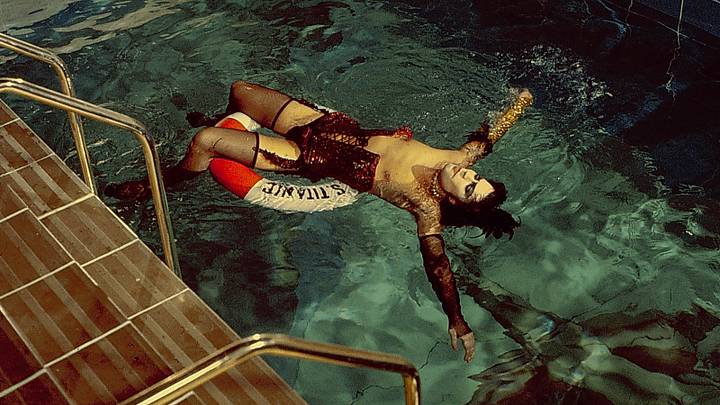
Around the same time Dawkins published his book, a low-budget musical film called The Rocky Horror Picture Show, which had premiered a year earlier, took on a new life and started popping up at midnight screenings at The Waverly Theater in New York. Audiences fell in love with this bizarre love letter to B-movie science fiction, sexuality, and rock and roll.
What happened next was even stranger. The film left the screen and entered the audience. They adopted it and turned it into something else, seemingly overnight. The Rocky Horror Picture Show wasn’t just a fun night at the movies anymore; it became a ritual, and before anyone knew it, it turned into exactly what Dawkins had been describing. Over time, it mutated and evolved into an organic, decentralized network of dedicated cult fans dressing up as the characters, shouting callouts at the screen, throwing pieces of toast, and performing the film in front of screens all over the world.
When you break it all down, a meme generally relies on a visual reference point combined with text or commentary that either changes it or enhances what it represents. The Rocky Horror Picture Show arguably served as a prototype for this meme style. Single-panel cartoons relied on visuals and an artist feeding you the gag or the meaning, but nothing more. This was entirely different, however. The moment audiences started shouting lines and supplying audible “captions” at an image projected on the screen, this gave rise to a new type of shared collective experience: a piece of visual media that stopped belonging solely to the artist and was instead transformed into a new experience and ecosystem based on the audience's subversion of the original source material.
Over time, these new moments became standardized. The things people shouted at the screen spread to theaters across the world and eventually became baked into the Rocky Horror experience. These moments of audience participation have become just as important to the film as the songs and dialogue themselves.
Memes As Cultural Initiation

Today’s memes don’t just spread like wildfire because they’re fun and humorous. They spread because they have some sort of social capital—some sort of “you either get it, or you don’t” type of implication.
The same thing goes for The Rocky Horror Picture Show. You’re either in, or you’re out. Over the years, experienced Rocky devotees have developed various rituals to initiate new fans into the experience. First-timers, known as “virgins,” show up with V’s drawn on their heads and are selected to participate in initiation events. This was a cultural onboarding process that existed long before the internet was in every home, and it shows just how true the idea is that if given the opportunity, people will take something and make it their own, dress it up with inside jokes, and share it with each other to build community.
The internet didn’t invent memes. It just made them quicker and easier to access. They had been happening for a long time in midnight movie theaters and as inside jokes between buddies; the internet just gave them a global network through which to spread.
Dawkins coined a term to describe a cultural phenomenon by drawing a parallel to an evolutionary concept, and it ended up touching upon the deeply human desire to take something, put your fingerprints on it, and then pass it on to the next person until it belongs to all of us.