%20%20--%3E%0A%3Csvg%20version%3D%221.1%22%20id%3D%22Layer_1%22%20xmlns%3D%22http%3A%2F%2Fwww.w3.org%2F2000%2Fsvg%22%20xmlns%3Axlink%3D%22http%3A%2F%2Fwww.w3.org%2F1999%2Fxlink%22%20x%3D%220px%22%20y%3D%220px%22%0A%09%20viewBox%3D%220%200%20684.6%2068.1%22%20style%3D%22enable-background%3Anew%200%200%20684.6%2068.1%3B%22%20xml%3Aspace%3D%22preserve%22%3E%0A%3Cg%3E%0A%09%3Cpath%20d%3D%22M444.1%2C29.3h-17.4v14.5h17.4V29.3z%20M36.4%2C68.1l29.3-50.8V0H50.4L32.9%2C36.8L15.5%2C0H0v68.1h16.7V45.8l12.4%2C22.3H36.4z%0A%09%09%20M49.1%2C68.1h16.6V23.4L49.1%2C52.1V68.1z%20M76.6%2C68.1h45V53.8H93.3V41.6h21V27.1h-21V14.8h28.3V0.1h-45V68.1z%20M175.6%2C68.1h17.3v-68%0A%09%09h-16.5v40.3L150%2C0.1h-17.6v68h16.7V27.7L175.6%2C68.1z%20M235.8%2C14.8h15.4V0.1h-47.4v14.7H219v53.2h16.8V14.8z%20M290.3%2C45.9h-17.1%0A%09%09l7.5-15.6h2L290.3%2C45.9z%20M298.7%2C68.1h18l-32.2-68h-5.7l-32%2C68h18l3.3-7.1h27.1L298.7%2C68.1z%20M325.2%2C68.1h46.2V53.8h-29.6V0.1h-16.7%0A%09%09V68.1z%20M423.7%2C14.8h27.2V0.1H407v68h16.7V14.8z%20M462%2C68.1h46.2V53.8h-29.6V0.1H462V68.1z%20M564.8%2C34.1c0%2C10.7-7.2%2C19.2-18.5%2C19.2%0A%09%09c-11.4%2C0-18.5-8.5-18.5-19.2s7.1-19.2%2C18.5-19.2C557.6%2C14.9%2C564.8%2C23.4%2C564.8%2C34.1%20M580.6%2C34.1c0-19-14.2-34-34.3-34%0A%09%09c-20.2%2C0-34.3%2C15-34.3%2C34c0%2C19%2C14.1%2C34%2C34.3%2C34C566.4%2C68.1%2C580.6%2C53.1%2C580.6%2C34.1%20M604.8%2C20.5c0-4.1%2C3.3-6.2%2C6.7-6.2%0A%09%09c4.4%2C0%2C6.6%2C3%2C6.6%2C6.6h14.7C631.8%2C9.1%2C625.1%2C0.1%2C611%2C0.1c-12%2C0-21.7%2C9.3-21.7%2C20.6c0%2C10.9%2C5.9%2C15.9%2C16.7%2C19.8%0A%09%09c5.2%2C1.8%2C11.5%2C3.2%2C11.5%2C8c0%2C3.3-2.4%2C5.5-6.4%2C5.5c-3.6%2C0-6.6-3-6.6-6.7h-15.2c0%2C11.5%2C7.9%2C20.8%2C21.8%2C20.8c12%2C0%2C21.6-9.3%2C21.6-20.6%0A%09%09c0-10-5.3-16.4-16.7-19.8C610.6%2C26.1%2C604.8%2C25.3%2C604.8%2C20.5%20M670%2C20.9h14.7C683.8%2C9.1%2C677.1%2C0.1%2C663%2C0.1c-12%2C0-21.7%2C9.3-21.7%2C20.6%0A%09%09c0%2C10.9%2C5.9%2C15.9%2C16.7%2C19.8c5.2%2C1.8%2C11.5%2C3.2%2C11.5%2C8c0%2C3.3-2.4%2C5.5-6.4%2C5.5c-3.6%2C0-6.6-3-6.6-6.7h-15.2c0%2C11.5%2C7.9%2C20.8%2C21.8%2C20.8%0A%09%09c12%2C0%2C21.6-9.3%2C21.6-20.6c0-10-5.3-16.4-16.7-19.8c-5.4-1.6-11.3-2.4-11.3-7.2c0-4.1%2C3.3-6.2%2C6.7-6.2C667.7%2C14.4%2C670%2C17.3%2C670%2C20.9%0A%09%09%22%2F%3E%0A%3C%2Fg%3E%0A%3C%2Fsvg%3E%0A)

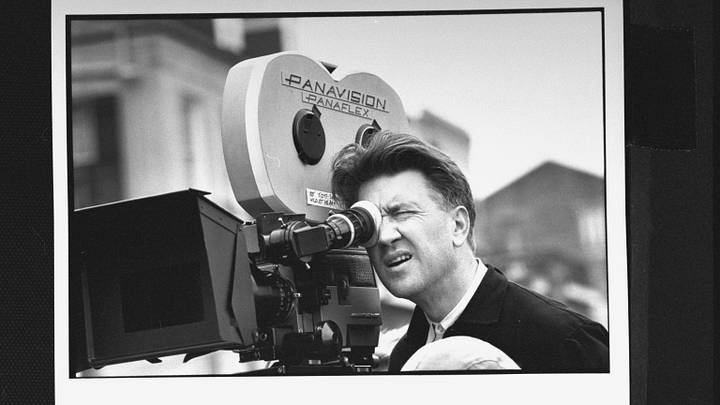
When filmmaker David Lynch died in 2025, he left behind a truly extraordinary body of work. The ten movies that he directed during his lifetime cover everything from epic science fiction action (Dune) to horror noir (Lost Highway), black-and-white period drama (The Elephant Man), and quintessential Americana (The Straight Story). Despite the remarkable variation among his work, though, Lynch’s films and his filmmaking style were so unique that a new term, Lynchian, had to be coined to describe them.
And perhaps the film that best encapsulates that word—“juxtaposing surreal or sinister elements with mundane, everyday environments,” as the Oxford English Dictionary puts it—is his 1986 thriller Blue Velvet.
The Plot

Set in an otherwise perfectly ordinary suburban North Carolina town, the film follows a young college student named Jeffrey Beaumont (played by Kyle MacLachlan), who discovers a severed human ear in a field near his home. While trying to solve the mystery of how it got there, he and his girlfriend Sandy (Laura Dern) are pulled into the increasingly sadistic world of local drug lord Frank Booth (Dennis Hopper), and the grim, violent relationship he has with a nightclub singer named Dorothy Vallens (Isabella Rossellini).
What unfolds as the story goes on makes for an undeniably uneasy watch—and as a result, like many of Lynch’s films, Blue Velvet proved hugely controversial on its release and divided critics and audiences alike. While some hailed it as a masterpiece (a reputation it squarely holds today), others despised it, with Roger Ebert labelling it “disturbing” and “sadistic” in a scathing one-star review. Nonetheless, it earned Lynch his second Best Director Oscar nomination.
The Literary Influence

By setting the grim realities of Frank Booth’s life against the quaint and quiet everyday life of serene small-town America, Blue Velvet perfectly illustrates the uneasy juxtaposition of “Lynchian” movies, as described in the OED’s definition. But in his later discussions of the film, David Lynch made it clear that the film was not entirely drawn from his own imagination, but owed a great deal to an author whose work would influence not only Blue Velvet, but much of his filmography. “The one artist that I feel could be my brother … is Franz Kafka,” Lynch said in a 1986 interview with David Chute.
“If Kafka wrote a crime picture,” Lynch went on, “I’d be there. I’d like to direct that, for sure.” Elsewhere, Lynch labelled Kafka his “greatest influence.” He hid portraits of him in the background of shots on Twin Peaks. And when he was first starting out as a filmmaker, he obsessively read Kafka’s The Metamorphosis—the tale of a man, Gregor Samsa, who awakes one morning to find he has inexplicably transformed into a giant insect. (Despite Lynch writing a script and storyboard for his own adaptation of Kafka’s story, the project repeatedly fell through and was never made.)
All that influence appears to have paid off in Lynch’s work, especially in the case of Blue Velvet: the author J.G. Ballard described the film as “The Wizard of Oz, with a script by Franz Kafka.” But what exactly is it about Kafka’s work that so inspired David Lynch, and so permeates his films? Well, once you know how much Lynch admired Kafka’s writing, it’s hard not to see overlaps between the two.
Much of Kafka’s work, for instance, deals with isolated characters who are driven by, or else give in to, their own twisted logic, descend into gruesome underworlds, and erupt into unpredictable spells of violence. Kafka’s characters variously shun and yet operate in the mundane world around them, all while simultaneously searching for their own truth, identity, and purpose in a world that they don’t truly understand. And, in quintessential Lynchian style, monstrous imagery in Kafka’s stories is routinely set against the most ordinary or everyday of situations or events—not least the image of a giant insect struggling to right itself in a man’s bed.