%20%20--%3E%0A%3Csvg%20version%3D%221.1%22%20id%3D%22Layer_1%22%20xmlns%3D%22http%3A%2F%2Fwww.w3.org%2F2000%2Fsvg%22%20xmlns%3Axlink%3D%22http%3A%2F%2Fwww.w3.org%2F1999%2Fxlink%22%20x%3D%220px%22%20y%3D%220px%22%0A%09%20viewBox%3D%220%200%20684.6%2068.1%22%20style%3D%22enable-background%3Anew%200%200%20684.6%2068.1%3B%22%20xml%3Aspace%3D%22preserve%22%3E%0A%3Cg%3E%0A%09%3Cpath%20d%3D%22M444.1%2C29.3h-17.4v14.5h17.4V29.3z%20M36.4%2C68.1l29.3-50.8V0H50.4L32.9%2C36.8L15.5%2C0H0v68.1h16.7V45.8l12.4%2C22.3H36.4z%0A%09%09%20M49.1%2C68.1h16.6V23.4L49.1%2C52.1V68.1z%20M76.6%2C68.1h45V53.8H93.3V41.6h21V27.1h-21V14.8h28.3V0.1h-45V68.1z%20M175.6%2C68.1h17.3v-68%0A%09%09h-16.5v40.3L150%2C0.1h-17.6v68h16.7V27.7L175.6%2C68.1z%20M235.8%2C14.8h15.4V0.1h-47.4v14.7H219v53.2h16.8V14.8z%20M290.3%2C45.9h-17.1%0A%09%09l7.5-15.6h2L290.3%2C45.9z%20M298.7%2C68.1h18l-32.2-68h-5.7l-32%2C68h18l3.3-7.1h27.1L298.7%2C68.1z%20M325.2%2C68.1h46.2V53.8h-29.6V0.1h-16.7%0A%09%09V68.1z%20M423.7%2C14.8h27.2V0.1H407v68h16.7V14.8z%20M462%2C68.1h46.2V53.8h-29.6V0.1H462V68.1z%20M564.8%2C34.1c0%2C10.7-7.2%2C19.2-18.5%2C19.2%0A%09%09c-11.4%2C0-18.5-8.5-18.5-19.2s7.1-19.2%2C18.5-19.2C557.6%2C14.9%2C564.8%2C23.4%2C564.8%2C34.1%20M580.6%2C34.1c0-19-14.2-34-34.3-34%0A%09%09c-20.2%2C0-34.3%2C15-34.3%2C34c0%2C19%2C14.1%2C34%2C34.3%2C34C566.4%2C68.1%2C580.6%2C53.1%2C580.6%2C34.1%20M604.8%2C20.5c0-4.1%2C3.3-6.2%2C6.7-6.2%0A%09%09c4.4%2C0%2C6.6%2C3%2C6.6%2C6.6h14.7C631.8%2C9.1%2C625.1%2C0.1%2C611%2C0.1c-12%2C0-21.7%2C9.3-21.7%2C20.6c0%2C10.9%2C5.9%2C15.9%2C16.7%2C19.8%0A%09%09c5.2%2C1.8%2C11.5%2C3.2%2C11.5%2C8c0%2C3.3-2.4%2C5.5-6.4%2C5.5c-3.6%2C0-6.6-3-6.6-6.7h-15.2c0%2C11.5%2C7.9%2C20.8%2C21.8%2C20.8c12%2C0%2C21.6-9.3%2C21.6-20.6%0A%09%09c0-10-5.3-16.4-16.7-19.8C610.6%2C26.1%2C604.8%2C25.3%2C604.8%2C20.5%20M670%2C20.9h14.7C683.8%2C9.1%2C677.1%2C0.1%2C663%2C0.1c-12%2C0-21.7%2C9.3-21.7%2C20.6%0A%09%09c0%2C10.9%2C5.9%2C15.9%2C16.7%2C19.8c5.2%2C1.8%2C11.5%2C3.2%2C11.5%2C8c0%2C3.3-2.4%2C5.5-6.4%2C5.5c-3.6%2C0-6.6-3-6.6-6.7h-15.2c0%2C11.5%2C7.9%2C20.8%2C21.8%2C20.8%0A%09%09c12%2C0%2C21.6-9.3%2C21.6-20.6c0-10-5.3-16.4-16.7-19.8c-5.4-1.6-11.3-2.4-11.3-7.2c0-4.1%2C3.3-6.2%2C6.7-6.2C667.7%2C14.4%2C670%2C17.3%2C670%2C20.9%0A%09%09%22%2F%3E%0A%3C%2Fg%3E%0A%3C%2Fsvg%3E%0A)

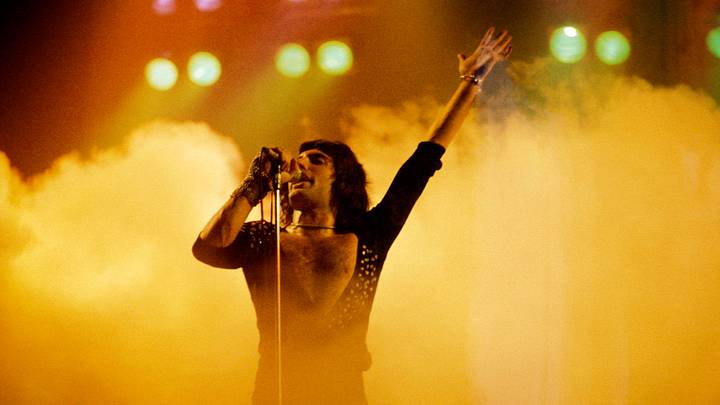
Years since his sad passing, Queen's flamboyant and outrageously talented frontman Freddie Mercury remains greatly missed. During their time, the band was phenomenally successful and produced numerous beloved hits that delighted fans the world over—perhaps none more so than their groundbreaking epic, "Bohemian Rhapsody."
Everyone knows the tune of the song, and many can recite the lyrics, but few, it seems, can actually explain what they mean. Indeed, “Bohemian Rhapsody” remains so mysterious that theories continue to be put forward to this day regarding its true message. Here are some of the leading contenders.
- It concerns a murder case
- It's about The Hero with a Thousand Faces
- It's about Freddie Mercury apologizing to his ex-girlfriend, Mary Austin
- It's about nothing in particular
- It's about a Bohemian Rhapsody
- It's about Freddie Mercury coming to terms with his sexuality
It concerns a murder case

Many of the evocative lyrics throughout the song summon imagery of a trial, or, at least, a judgement being bestowed in some form. The crime is laid plain with the words: "Mama just killed a man, put a gun against his head, pulled my trigger, now he's dead."
Other sections could be interpreted as observations from sympathetic onlookers: "He's just a poor boy from a poor family, spare him his life from this monstrosity." But what monstrosity? A life sentence? A death sentence? As with everything about this song, there appear to be layers upon layers of ambiguity here.
It's about The Hero with a Thousand Faces
You may not be familiar with American writer Joseph Campbell, but chances are you've heard, at least in passing, references to his seminal work, The Hero with a Thousand Faces.
Published in 1949, this non-fiction book breaks down the archetypal "hero's journey" found in countless myths and legends. In Campbell's own words: "A hero ventures forth from the world of common day into a region of supernatural wonder: fabulous forces are there encountered and a decisive victory is won: the hero comes back from this mysterious adventure with the power to bestow boons on his fellow man."
Compare that to some of the lyrics in "Bohemian Rhapsody": "Is this real life? Is this fantasy?" "Beelzebub has a devil put aside for me." "Just gotta get out, just gotta get right outta here." Could it be that Mercury was inspired, directly or indirectly, by the classic journey that Campbell defined?
It's about Freddie Mercury apologizing to his ex-girlfriend, Mary Austin

Mercury's struggles to come to terms with his homosexuality have been well documented, especially in relation to his family's strict religious views—they strongly disapproved of anything beyond traditional male-female couples.
Some believe this was in part why Mercury maintained a long-lasting relationship with Mary Austin, only revealing to her that he was gay after several years. Did Freddie feel guilty about the deception? If so, could the crime and judgment references found in Bohemian Rhapsody be the singer's way of putting himself on trial? When you tie in the religious phrase "Bismillah" that recurs throughout, suddenly this begins to make more sense.
It's about nothing in particular
"Scrambled eggs," sang Paul McCartney, as a placeholder that would eventually be replaced by "yesterday." It's not uncommon for songwriters to use this method in instances when they have a melody but no finished lyrics.
There are also plenty of examples where meaningless lyrics have been used in complete songs. Have a listen to the fantastic "Prisencolinensinainciusol" by Italian singer Adriano Celentano— a song containing entirely gibberish lyrics. Perhaps Mercury simply matched words to a melody without worrying too much about their logic.
It's about a Bohemian Rhapsody
Stay with us here! We're not trying to be smart, but what if the title really does say it all? According to Merriam-Webster, “bohemian” can refer to one of three things: (1) a native of the former kingdom of Bohemia in the Czech Republic; (2) an artist living an unconventional lifestyle; (3) a wanderer.
Certainly, those last two relate strongly to Mercury’s life. The star was born in Zanzibar and travelled the world over, and his life was certainly unconventional by any standards.
Put that together with “rhapsody”—which means “a portion of an epic poem” or “a highly emotional work”—and perhaps the song really is just Mercury letting loose in a scattergun and metaphorical manner and working through his emotions through wild imaginings put together magpie-fashion. Perhaps Mercury himself didn't truly understand the meaning behind the words—he was simply focusing on the emotion behind them.
It's about Freddie Mercury coming to terms with his sexuality

Few seem better placed than Lesley-Ann Jones, the woman who wrote Freddie Mercury: The Definitive Biography, to offer a definitive statement as to the meaning behind "Bohemian Rhapsody."
Following Mercury's passing, she spent a week visiting Freddie's long-term partner, Jim Hutton, who, she claims, confirmed the truth. Mercury was from a deeply religious Zoroastrian family—a religion that does not acknowledge homosexuality.
According to Jones, Hutton stated: "Freddie was never going to admit it publicly, of course, because he always had to carry on the charade about being straight, for his family. But we did discuss it on numerous occasions. ‘Bohemian Rhapsody’ WAS Freddie’s confessional. It was about how different his life could have been, and how much happier he might have been, had he just been able to be himself, the whole of his life."