%20%20--%3E%0A%3Csvg%20version%3D%221.1%22%20id%3D%22Layer_1%22%20xmlns%3D%22http%3A%2F%2Fwww.w3.org%2F2000%2Fsvg%22%20xmlns%3Axlink%3D%22http%3A%2F%2Fwww.w3.org%2F1999%2Fxlink%22%20x%3D%220px%22%20y%3D%220px%22%0A%09%20viewBox%3D%220%200%20684.6%2068.1%22%20style%3D%22enable-background%3Anew%200%200%20684.6%2068.1%3B%22%20xml%3Aspace%3D%22preserve%22%3E%0A%3Cg%3E%0A%09%3Cpath%20d%3D%22M444.1%2C29.3h-17.4v14.5h17.4V29.3z%20M36.4%2C68.1l29.3-50.8V0H50.4L32.9%2C36.8L15.5%2C0H0v68.1h16.7V45.8l12.4%2C22.3H36.4z%0A%09%09%20M49.1%2C68.1h16.6V23.4L49.1%2C52.1V68.1z%20M76.6%2C68.1h45V53.8H93.3V41.6h21V27.1h-21V14.8h28.3V0.1h-45V68.1z%20M175.6%2C68.1h17.3v-68%0A%09%09h-16.5v40.3L150%2C0.1h-17.6v68h16.7V27.7L175.6%2C68.1z%20M235.8%2C14.8h15.4V0.1h-47.4v14.7H219v53.2h16.8V14.8z%20M290.3%2C45.9h-17.1%0A%09%09l7.5-15.6h2L290.3%2C45.9z%20M298.7%2C68.1h18l-32.2-68h-5.7l-32%2C68h18l3.3-7.1h27.1L298.7%2C68.1z%20M325.2%2C68.1h46.2V53.8h-29.6V0.1h-16.7%0A%09%09V68.1z%20M423.7%2C14.8h27.2V0.1H407v68h16.7V14.8z%20M462%2C68.1h46.2V53.8h-29.6V0.1H462V68.1z%20M564.8%2C34.1c0%2C10.7-7.2%2C19.2-18.5%2C19.2%0A%09%09c-11.4%2C0-18.5-8.5-18.5-19.2s7.1-19.2%2C18.5-19.2C557.6%2C14.9%2C564.8%2C23.4%2C564.8%2C34.1%20M580.6%2C34.1c0-19-14.2-34-34.3-34%0A%09%09c-20.2%2C0-34.3%2C15-34.3%2C34c0%2C19%2C14.1%2C34%2C34.3%2C34C566.4%2C68.1%2C580.6%2C53.1%2C580.6%2C34.1%20M604.8%2C20.5c0-4.1%2C3.3-6.2%2C6.7-6.2%0A%09%09c4.4%2C0%2C6.6%2C3%2C6.6%2C6.6h14.7C631.8%2C9.1%2C625.1%2C0.1%2C611%2C0.1c-12%2C0-21.7%2C9.3-21.7%2C20.6c0%2C10.9%2C5.9%2C15.9%2C16.7%2C19.8%0A%09%09c5.2%2C1.8%2C11.5%2C3.2%2C11.5%2C8c0%2C3.3-2.4%2C5.5-6.4%2C5.5c-3.6%2C0-6.6-3-6.6-6.7h-15.2c0%2C11.5%2C7.9%2C20.8%2C21.8%2C20.8c12%2C0%2C21.6-9.3%2C21.6-20.6%0A%09%09c0-10-5.3-16.4-16.7-19.8C610.6%2C26.1%2C604.8%2C25.3%2C604.8%2C20.5%20M670%2C20.9h14.7C683.8%2C9.1%2C677.1%2C0.1%2C663%2C0.1c-12%2C0-21.7%2C9.3-21.7%2C20.6%0A%09%09c0%2C10.9%2C5.9%2C15.9%2C16.7%2C19.8c5.2%2C1.8%2C11.5%2C3.2%2C11.5%2C8c0%2C3.3-2.4%2C5.5-6.4%2C5.5c-3.6%2C0-6.6-3-6.6-6.7h-15.2c0%2C11.5%2C7.9%2C20.8%2C21.8%2C20.8%0A%09%09c12%2C0%2C21.6-9.3%2C21.6-20.6c0-10-5.3-16.4-16.7-19.8c-5.4-1.6-11.3-2.4-11.3-7.2c0-4.1%2C3.3-6.2%2C6.7-6.2C667.7%2C14.4%2C670%2C17.3%2C670%2C20.9%0A%09%09%22%2F%3E%0A%3C%2Fg%3E%0A%3C%2Fsvg%3E%0A)

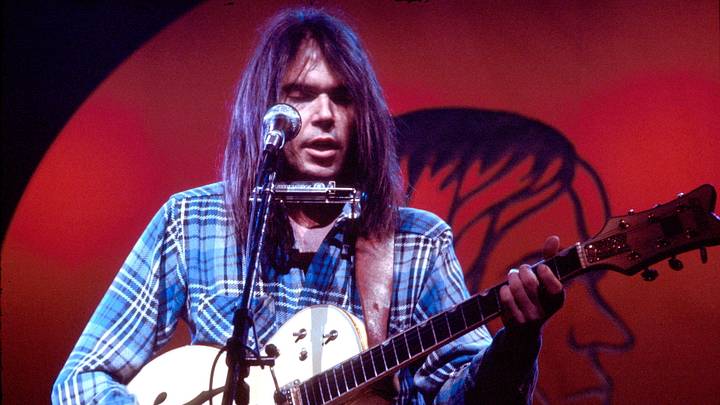
While many songwriters choose to focus on love or overcoming struggles in their music, it's not uncommon for darker topics to slip into the conversation. Country music has a long history of talking about murder and banditry, and even pop and rock tend to have a few standout hits revolving around crime. One of the most famous ones in the 21st century is "Pumped Up Kicks," an upbeat song by Foster the People that is actually about a kid fantasizing about a school shooting.
While these kinds of darker songs tend to either stay vague or focus on a fictional crime, there are also several songs that are inspired by the real world. The following nine songs were based on real cases, where people were hurt and killed. Some try to understand the perpetrators, while others center the victims, but all draw attention to crimes that otherwise might have been ignored.
- “Nebraska” by Bruce Springsteen
- “The Ripper” by Judas Priest
- “Suffer Little Children” by The Smiths
- “Polly” by Nirvana
- “The Lonesome Death of Hattie Carroll” by Bob Dylan
- “I Don't Like Mondays” by The Boomtown Rats
- “Jenny Was a Friend of Mine” by The Killers
- “Ohio” by Neil Young
- “Dancing in the Moonlight” by King Harvest
“Nebraska” by Bruce Springsteen
The title track of Bruce Springsteen's sixth studio album, Nebraska, is written from the point of view of Charles Starkweather, who went on a killing spree in the 1950s.
Starkweather had his first taste of blood in 1957, when he killed Robert Colvert while the pair fought over a gun. But his most infamous crimes began in January 1958, when Starkweather killed his 14-year-old girlfriend's family. He and Caril Ann Fugate then went on the run, killing seven more people before getting caught. Springsteen's song lyrics describe the crimes, Starkweather's attempts to ensure Fugate went down with him, and his eventual execution.
“The Ripper” by Judas Priest
The song "Ripper" by Judas Priest is clearly based on Jack the Ripper, a serial killer who plagued London in 1888.
The man was responsible for at least five brutal killings, most of which included cutting the bodies open and/or removing body parts. He became one of the most famous serial killers in history, thanks to the letters he supposedly sent the newspapers and the fact that he was never conclusively identified.
The song by Judas Priest is written from the point of view of Jack the Ripper, but it doesn't include many specific details. Despite that, it ended up having an eerie resonance on both sides of the true crime sphere, as serial killer Richard Ramirez reportedly left the lyrics to the song at one of his own crime scenes.
“Suffer Little Children” by The Smiths
Morrissey and Johnny Marr wrote the song "Suffer Little Children" for their debut album, inspired by the Moors murders in the 1960s.
Ian Brady and Myra Hindley were responsible for at least five murders between 1963 and 1965, burying the bodies at Saddleworth Moor. The case captured popular attention in the United Kingdom, particularly because Myra Hindley spent so much time insisting she was innocent. The song includes the names of three of the child victims, references to their burial sites, and the insistence that the children's spirits will haunt Hindley for the rest of her life.
“Polly” by Nirvana
Kurt Cobain began recording versions of "Polly" as early as 1987, eventually releasing the song on Nirvana's second album, Nevermind. It was inspired by the kidnapping, assault, and torture of a young teenager from Tacoma, Washington.
The girl had accepted a ride home from a rock concert, not knowing that the man had already been convicted for abducting and assaulting a 12-year-old girl nearly 30 years earlier. She was able to escape the man, and he was caught the next day. In a controversial twist, the song "Polly" was from the point of view of the rapist, supposedly to make men recognize how dangerous those kinds of thoughts can be.
“The Lonesome Death of Hattie Carroll” by Bob Dylan
Bob Dylan is well known for political commentary in his work, and "The Lonesome Death of Hattie Carroll" is no exception, describing the killing of Hattie Carroll by Billy Zantzinger in 1963 and the subsequent miscarriage of justice.
Zantzinger assaulted multiple Black employees of the Emerson Hotel, including Hattie Carroll, who ended up dying from a brain hemorrhage. His lawyers argued that he wasn't responsible because he was drunk and she had pre-existing health problems, succeeding in getting the murder charge dropped.
His sentence for assault and manslaughter was only six months, a fact which Dylan's song uses to disprove the idea that "all's equal and that the courts are on the level."
“I Don't Like Mondays” by The Boomtown Rats
The Boomtown Rats released "I Don't Like Mondays" as the first single on their album, The Fine Art of Surfacing. It was based on the 1979 Cleveland Elementary School shooting, where the shooter explained her reasoning as: "I don’t like Mondays. This livens up the day."
Two adults were killed, and eight children and one adult were injured, and the only explanation was that the killer was bored? The song tries to come to grips with the senselessness of the crime, eventually settling on the fact that there is no good reason for shooting an elementary school.
“Jenny Was a Friend of Mine” by The Killers
"Jenny Was a Friend of Mine" is part of the so-called "Murder Trilogy" in The Killers' discography, with all three songs discussing the murder of a girl named Jenny.
But "Jenny Was a Friend of Mine" is the only one based on real-world events, inspired by the killer in the 1986 "Preppy Murders." Killer Robert Chambers had argued that he wouldn't have knowingly killed Jenny, because they were friends. The Killers took that line and ran with it, writing from the perspective of the killer as he finds excuses for his actions and asserts his legal rights.
“Ohio” by Neil Young
Neil Young wrote the song "Ohio" in the immediate aftermath of the 1970 Kent State shootings, where the Ohio National Guard killed four and wounded nine college students who had been protesting the Vietnam War.
The incident gained nationwide attention, with many turning to Young's song as a way of ensuring the students would not be forgotten. When the guardsmen were acquitted on all charges, many felt that the government was at war with its own citizens, and Neil Young's song became a rallying cry to not let them win.
“Dancing in the Moonlight” by King Harvest
While the other entries on his list featured songwriters reacting to crimes they had learned about, “Dancing in the Moonlight" has the unique perspective of being written by one of the victims of the crime.
In 1969, Sherman Kelly and his girlfriend were resting on a St. Croix beach when he was assaulted by five gang members and his girlfriend was repeatedly assaulted. Their assailants may well have been the Fountain Valley Gang, who went on to murder at least eight tourists in 1972.
Listening to the song, you would never guess that it was tied to such a brutal event. But Kelly used the song as a way of processing during his recovery, explaining that he had "envisioned an alternate reality, the dream of a peaceful and joyful celebration of life."