%20%20--%3E%0A%3Csvg%20version%3D%221.1%22%20id%3D%22Layer_1%22%20xmlns%3D%22http%3A%2F%2Fwww.w3.org%2F2000%2Fsvg%22%20xmlns%3Axlink%3D%22http%3A%2F%2Fwww.w3.org%2F1999%2Fxlink%22%20x%3D%220px%22%20y%3D%220px%22%0A%09%20viewBox%3D%220%200%20684.6%2068.1%22%20style%3D%22enable-background%3Anew%200%200%20684.6%2068.1%3B%22%20xml%3Aspace%3D%22preserve%22%3E%0A%3Cg%3E%0A%09%3Cpath%20d%3D%22M444.1%2C29.3h-17.4v14.5h17.4V29.3z%20M36.4%2C68.1l29.3-50.8V0H50.4L32.9%2C36.8L15.5%2C0H0v68.1h16.7V45.8l12.4%2C22.3H36.4z%0A%09%09%20M49.1%2C68.1h16.6V23.4L49.1%2C52.1V68.1z%20M76.6%2C68.1h45V53.8H93.3V41.6h21V27.1h-21V14.8h28.3V0.1h-45V68.1z%20M175.6%2C68.1h17.3v-68%0A%09%09h-16.5v40.3L150%2C0.1h-17.6v68h16.7V27.7L175.6%2C68.1z%20M235.8%2C14.8h15.4V0.1h-47.4v14.7H219v53.2h16.8V14.8z%20M290.3%2C45.9h-17.1%0A%09%09l7.5-15.6h2L290.3%2C45.9z%20M298.7%2C68.1h18l-32.2-68h-5.7l-32%2C68h18l3.3-7.1h27.1L298.7%2C68.1z%20M325.2%2C68.1h46.2V53.8h-29.6V0.1h-16.7%0A%09%09V68.1z%20M423.7%2C14.8h27.2V0.1H407v68h16.7V14.8z%20M462%2C68.1h46.2V53.8h-29.6V0.1H462V68.1z%20M564.8%2C34.1c0%2C10.7-7.2%2C19.2-18.5%2C19.2%0A%09%09c-11.4%2C0-18.5-8.5-18.5-19.2s7.1-19.2%2C18.5-19.2C557.6%2C14.9%2C564.8%2C23.4%2C564.8%2C34.1%20M580.6%2C34.1c0-19-14.2-34-34.3-34%0A%09%09c-20.2%2C0-34.3%2C15-34.3%2C34c0%2C19%2C14.1%2C34%2C34.3%2C34C566.4%2C68.1%2C580.6%2C53.1%2C580.6%2C34.1%20M604.8%2C20.5c0-4.1%2C3.3-6.2%2C6.7-6.2%0A%09%09c4.4%2C0%2C6.6%2C3%2C6.6%2C6.6h14.7C631.8%2C9.1%2C625.1%2C0.1%2C611%2C0.1c-12%2C0-21.7%2C9.3-21.7%2C20.6c0%2C10.9%2C5.9%2C15.9%2C16.7%2C19.8%0A%09%09c5.2%2C1.8%2C11.5%2C3.2%2C11.5%2C8c0%2C3.3-2.4%2C5.5-6.4%2C5.5c-3.6%2C0-6.6-3-6.6-6.7h-15.2c0%2C11.5%2C7.9%2C20.8%2C21.8%2C20.8c12%2C0%2C21.6-9.3%2C21.6-20.6%0A%09%09c0-10-5.3-16.4-16.7-19.8C610.6%2C26.1%2C604.8%2C25.3%2C604.8%2C20.5%20M670%2C20.9h14.7C683.8%2C9.1%2C677.1%2C0.1%2C663%2C0.1c-12%2C0-21.7%2C9.3-21.7%2C20.6%0A%09%09c0%2C10.9%2C5.9%2C15.9%2C16.7%2C19.8c5.2%2C1.8%2C11.5%2C3.2%2C11.5%2C8c0%2C3.3-2.4%2C5.5-6.4%2C5.5c-3.6%2C0-6.6-3-6.6-6.7h-15.2c0%2C11.5%2C7.9%2C20.8%2C21.8%2C20.8%0A%09%09c12%2C0%2C21.6-9.3%2C21.6-20.6c0-10-5.3-16.4-16.7-19.8c-5.4-1.6-11.3-2.4-11.3-7.2c0-4.1%2C3.3-6.2%2C6.7-6.2C667.7%2C14.4%2C670%2C17.3%2C670%2C20.9%0A%09%09%22%2F%3E%0A%3C%2Fg%3E%0A%3C%2Fsvg%3E%0A)

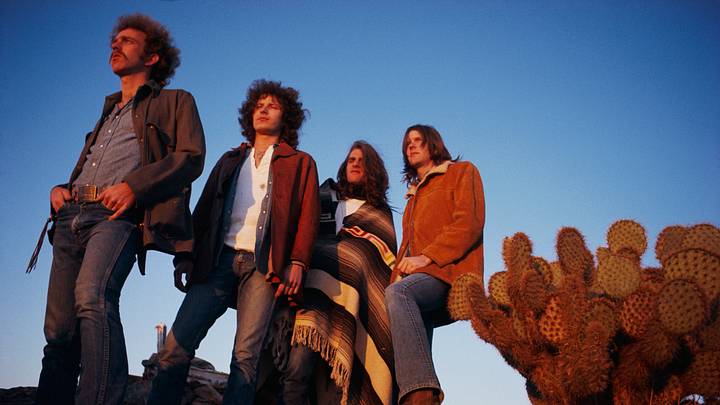
The Eagles’ Hotel California turns 50 this December, and it’s still one of the biggest albums of 1976. Before the songs were finished, though, they existed on legal pads that Don Henley bought at a Los Angeles stationery store. Roughly 100 of those handwritten pages ended up at the center of a Manhattan criminal case that collapsed in the middle of the trial.
A Book That Never Came Out
The pages left Henley’s hands because of an authorized Eagles biography. Writer Ed Sanders started work on it in 1979, under a contract that said the band would furnish him material that would remain its “sole property,” and Henley let him sort through the lyric drafts for research.
The pages traveled from Henley’s Southern California barn to the writer’s home in New York’s Hudson Valley, but the book went nowhere: Eagles manager Irving Azoff later testified that publishers made no offers and that he believed Glenn Frey ultimately killed the project.
Around 2005, Sanders sold the pages to rare-book dealer Glenn Horowitz, who later sold them to former Rock & Roll Hall of Fame curator Craig Inciardi and memorabilia auctioneer Edward Kosinski. Henley only realized the pages were missing when they showed up for sale, and in April 2012, according to the indictment, he paid Kosinski $8,500 for some of the “Hotel California” sheets.
Over the years, the writer gave Horowitz several accounts of where the pages came from: Henley’s assistant had sent them from Malibu, he’d found them discarded in a backstage dressing room, or someone who worked for the band had handed them over. “It was about 35 years ago and my memory is foggy!” he wrote in 2012.
The Glenn Frey Email

By 2017, with Henley’s lawyers and the Manhattan District Attorney’s office both asking questions, Horowitz asked the writer whether the pages had come from Frey, who had died the year before. “Once you identify GF as the source of the tablet, you and I are out of this picture for good,” Horowitz wrote in a follow-up, according to the indictment.
None of the three men was accused of stealing anything, but in July 2022 they were charged with conspiring to keep and sell pages they knew Henley considered stolen, which prosecutors valued at more than $1 million. “They made up stories about the origin of the documents and their right to possess them so they could turn a profit,” DA Alvin Bragg said. Kosinski’s lawyer, Antonia Apps, called it “the weakest criminal case I have seen in my entire career.”
6,000 Pages Nobody Had Read

The nonjury trial opened in February 2024 before Judge Curtis Farber, and Henley spent three days on the stand. “I always knew those lyrics were my property. I never gifted them or gave them to anybody to keep or sell,” he said. Then Henley and his lawyers waived attorney-client privilege, and about 6,000 pages of communications reached both sides within a few days. The defense said the emails showed that Henley had first suspected someone else before being reminded of the book, and that some of his lawyers and a private investigator had called the disappearance a burglary, without mentioning Sanders’ contract, because they thought it would help their cause.
On March 6, 2024, prosecutors dropped the case. “These delayed disclosures revealed relevant information that the defense should have had the opportunity to explore,” Assistant DA Aaron Ginandes told the court. Farber said witnesses and their lawyers had used the privilege “to obfuscate and hide information that they believed would be damaging,” that prosecutors “were apparently manipulated,” and that the DA’s team, “while eating a slice of humble pie, are displaying the highest level of integrity in moving to dismiss the charges.”
Henley’s lawyer promised a fight in civil court, and Henley sued to get the pages back. In November 2025, a judge threw out Horowitz’s malicious prosecution suit against Henley and Azoff, finding the DA had “ample probable cause.” As of that ruling, the lyric sheets were still in the custody of the Manhattan DA’s office, waiting on a decision about who actually owns them.