%20%20--%3E%0A%3Csvg%20version%3D%221.1%22%20id%3D%22Layer_1%22%20xmlns%3D%22http%3A%2F%2Fwww.w3.org%2F2000%2Fsvg%22%20xmlns%3Axlink%3D%22http%3A%2F%2Fwww.w3.org%2F1999%2Fxlink%22%20x%3D%220px%22%20y%3D%220px%22%0A%09%20viewBox%3D%220%200%20684.6%2068.1%22%20style%3D%22enable-background%3Anew%200%200%20684.6%2068.1%3B%22%20xml%3Aspace%3D%22preserve%22%3E%0A%3Cg%3E%0A%09%3Cpath%20d%3D%22M444.1%2C29.3h-17.4v14.5h17.4V29.3z%20M36.4%2C68.1l29.3-50.8V0H50.4L32.9%2C36.8L15.5%2C0H0v68.1h16.7V45.8l12.4%2C22.3H36.4z%0A%09%09%20M49.1%2C68.1h16.6V23.4L49.1%2C52.1V68.1z%20M76.6%2C68.1h45V53.8H93.3V41.6h21V27.1h-21V14.8h28.3V0.1h-45V68.1z%20M175.6%2C68.1h17.3v-68%0A%09%09h-16.5v40.3L150%2C0.1h-17.6v68h16.7V27.7L175.6%2C68.1z%20M235.8%2C14.8h15.4V0.1h-47.4v14.7H219v53.2h16.8V14.8z%20M290.3%2C45.9h-17.1%0A%09%09l7.5-15.6h2L290.3%2C45.9z%20M298.7%2C68.1h18l-32.2-68h-5.7l-32%2C68h18l3.3-7.1h27.1L298.7%2C68.1z%20M325.2%2C68.1h46.2V53.8h-29.6V0.1h-16.7%0A%09%09V68.1z%20M423.7%2C14.8h27.2V0.1H407v68h16.7V14.8z%20M462%2C68.1h46.2V53.8h-29.6V0.1H462V68.1z%20M564.8%2C34.1c0%2C10.7-7.2%2C19.2-18.5%2C19.2%0A%09%09c-11.4%2C0-18.5-8.5-18.5-19.2s7.1-19.2%2C18.5-19.2C557.6%2C14.9%2C564.8%2C23.4%2C564.8%2C34.1%20M580.6%2C34.1c0-19-14.2-34-34.3-34%0A%09%09c-20.2%2C0-34.3%2C15-34.3%2C34c0%2C19%2C14.1%2C34%2C34.3%2C34C566.4%2C68.1%2C580.6%2C53.1%2C580.6%2C34.1%20M604.8%2C20.5c0-4.1%2C3.3-6.2%2C6.7-6.2%0A%09%09c4.4%2C0%2C6.6%2C3%2C6.6%2C6.6h14.7C631.8%2C9.1%2C625.1%2C0.1%2C611%2C0.1c-12%2C0-21.7%2C9.3-21.7%2C20.6c0%2C10.9%2C5.9%2C15.9%2C16.7%2C19.8%0A%09%09c5.2%2C1.8%2C11.5%2C3.2%2C11.5%2C8c0%2C3.3-2.4%2C5.5-6.4%2C5.5c-3.6%2C0-6.6-3-6.6-6.7h-15.2c0%2C11.5%2C7.9%2C20.8%2C21.8%2C20.8c12%2C0%2C21.6-9.3%2C21.6-20.6%0A%09%09c0-10-5.3-16.4-16.7-19.8C610.6%2C26.1%2C604.8%2C25.3%2C604.8%2C20.5%20M670%2C20.9h14.7C683.8%2C9.1%2C677.1%2C0.1%2C663%2C0.1c-12%2C0-21.7%2C9.3-21.7%2C20.6%0A%09%09c0%2C10.9%2C5.9%2C15.9%2C16.7%2C19.8c5.2%2C1.8%2C11.5%2C3.2%2C11.5%2C8c0%2C3.3-2.4%2C5.5-6.4%2C5.5c-3.6%2C0-6.6-3-6.6-6.7h-15.2c0%2C11.5%2C7.9%2C20.8%2C21.8%2C20.8%0A%09%09c12%2C0%2C21.6-9.3%2C21.6-20.6c0-10-5.3-16.4-16.7-19.8c-5.4-1.6-11.3-2.4-11.3-7.2c0-4.1%2C3.3-6.2%2C6.7-6.2C667.7%2C14.4%2C670%2C17.3%2C670%2C20.9%0A%09%09%22%2F%3E%0A%3C%2Fg%3E%0A%3C%2Fsvg%3E%0A)

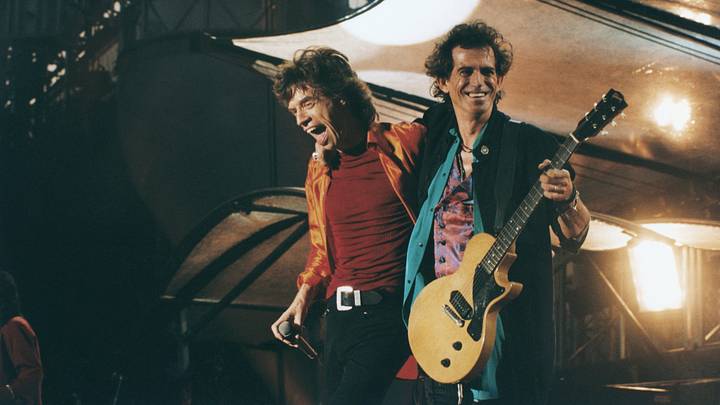
The Rolling Stones song “(I Can’t Get No) Satisfaction” is one of the most iconic songs of the 1960s. One of the band’s definitive tracks, it became their first number one single in the U.S. when it was released there in June 1965.
Over the years, it has continued to be covered and referenced by other artists and productions. Featured in everything from the 1979 film Apocalypse Now to the 2007-2015 TV series Mad Men, it remains popular today. 61 years after its release, here is the story behind this legendary song and how it was created.
How “(I Can’t Get No) Satisfaction” Was Written
The origins of the song can be traced back to the spring of 1965, when the band was touring the U.S. While staying in a hotel in Florida during the tour, Keith Richards fell asleep one night and woke up to a surprising discovery.
He found that one of his tapes seemed to have moved forward overnight, and could not work out why at first. He then played back the tape and was startled to discover a recording of himself singing the line “I can’t get no satisfaction” and playing the basis of what would become the song’s unforgettable opening guitar riff. Richards had then fallen asleep again. He had no memory of actually making the recording, but the evidence was there on the tape itself.
Mick Jagger wrote the complete lyrics after hearing the music that Richards had produced, using the anchor line to inspire the rest of the track. As Richards later put it: “Mick wrote all of the words that say anything, and I wrote the hook.”
The words focused on Jagger’s distaste for the commercialized state of current events at the time: “my view of the world, my frustration with everything.” The recording process was completed on May 12, 1965, and the song was released in the U.S. a few weeks later, on June 4.
A Definitive Hit Is Born

Ironically, despite the track’s unusual inspiration, Richards was initially dismissive of it and considered it to be one of the Stones’ more trivial songs. However, the public reaction to “Satisfaction” would be immensely more enthusiastic, propelling the song to number one in America and making it the sound of the summer of 1965, all of which took the band by surprise and transformed their fortunes thereafter. Amongst other accomplishments, it would become their first song to reach number one in both America and the UK at the same time.
The appeal of “Satisfaction” has been emphasized by the number of other artists who have performed cover versions of it over the decades, including Aretha Franklin, Otis Redding, The Jam, and Britney Spears, a list that underscores the song’s relevance to multiple generations.
Its enduring popularity has also been highlighted by its recurring appearances on Rolling Stone’s list of the 500 greatest songs of all time. In a 2024 poll, it was ranked number 31, the band's second-highest-ranked song after “Gimme Shelter.” All the signs indicate that the track, which Jagger described as “the song that really made the Rolling Stones,” will continue to be enjoyed by audiences long into the future.