%20%20--%3E%0A%3Csvg%20version%3D%221.1%22%20id%3D%22Layer_1%22%20xmlns%3D%22http%3A%2F%2Fwww.w3.org%2F2000%2Fsvg%22%20xmlns%3Axlink%3D%22http%3A%2F%2Fwww.w3.org%2F1999%2Fxlink%22%20x%3D%220px%22%20y%3D%220px%22%0A%09%20viewBox%3D%220%200%20684.6%2068.1%22%20style%3D%22enable-background%3Anew%200%200%20684.6%2068.1%3B%22%20xml%3Aspace%3D%22preserve%22%3E%0A%3Cg%3E%0A%09%3Cpath%20d%3D%22M444.1%2C29.3h-17.4v14.5h17.4V29.3z%20M36.4%2C68.1l29.3-50.8V0H50.4L32.9%2C36.8L15.5%2C0H0v68.1h16.7V45.8l12.4%2C22.3H36.4z%0A%09%09%20M49.1%2C68.1h16.6V23.4L49.1%2C52.1V68.1z%20M76.6%2C68.1h45V53.8H93.3V41.6h21V27.1h-21V14.8h28.3V0.1h-45V68.1z%20M175.6%2C68.1h17.3v-68%0A%09%09h-16.5v40.3L150%2C0.1h-17.6v68h16.7V27.7L175.6%2C68.1z%20M235.8%2C14.8h15.4V0.1h-47.4v14.7H219v53.2h16.8V14.8z%20M290.3%2C45.9h-17.1%0A%09%09l7.5-15.6h2L290.3%2C45.9z%20M298.7%2C68.1h18l-32.2-68h-5.7l-32%2C68h18l3.3-7.1h27.1L298.7%2C68.1z%20M325.2%2C68.1h46.2V53.8h-29.6V0.1h-16.7%0A%09%09V68.1z%20M423.7%2C14.8h27.2V0.1H407v68h16.7V14.8z%20M462%2C68.1h46.2V53.8h-29.6V0.1H462V68.1z%20M564.8%2C34.1c0%2C10.7-7.2%2C19.2-18.5%2C19.2%0A%09%09c-11.4%2C0-18.5-8.5-18.5-19.2s7.1-19.2%2C18.5-19.2C557.6%2C14.9%2C564.8%2C23.4%2C564.8%2C34.1%20M580.6%2C34.1c0-19-14.2-34-34.3-34%0A%09%09c-20.2%2C0-34.3%2C15-34.3%2C34c0%2C19%2C14.1%2C34%2C34.3%2C34C566.4%2C68.1%2C580.6%2C53.1%2C580.6%2C34.1%20M604.8%2C20.5c0-4.1%2C3.3-6.2%2C6.7-6.2%0A%09%09c4.4%2C0%2C6.6%2C3%2C6.6%2C6.6h14.7C631.8%2C9.1%2C625.1%2C0.1%2C611%2C0.1c-12%2C0-21.7%2C9.3-21.7%2C20.6c0%2C10.9%2C5.9%2C15.9%2C16.7%2C19.8%0A%09%09c5.2%2C1.8%2C11.5%2C3.2%2C11.5%2C8c0%2C3.3-2.4%2C5.5-6.4%2C5.5c-3.6%2C0-6.6-3-6.6-6.7h-15.2c0%2C11.5%2C7.9%2C20.8%2C21.8%2C20.8c12%2C0%2C21.6-9.3%2C21.6-20.6%0A%09%09c0-10-5.3-16.4-16.7-19.8C610.6%2C26.1%2C604.8%2C25.3%2C604.8%2C20.5%20M670%2C20.9h14.7C683.8%2C9.1%2C677.1%2C0.1%2C663%2C0.1c-12%2C0-21.7%2C9.3-21.7%2C20.6%0A%09%09c0%2C10.9%2C5.9%2C15.9%2C16.7%2C19.8c5.2%2C1.8%2C11.5%2C3.2%2C11.5%2C8c0%2C3.3-2.4%2C5.5-6.4%2C5.5c-3.6%2C0-6.6-3-6.6-6.7h-15.2c0%2C11.5%2C7.9%2C20.8%2C21.8%2C20.8%0A%09%09c12%2C0%2C21.6-9.3%2C21.6-20.6c0-10-5.3-16.4-16.7-19.8c-5.4-1.6-11.3-2.4-11.3-7.2c0-4.1%2C3.3-6.2%2C6.7-6.2C667.7%2C14.4%2C670%2C17.3%2C670%2C20.9%0A%09%09%22%2F%3E%0A%3C%2Fg%3E%0A%3C%2Fsvg%3E%0A)

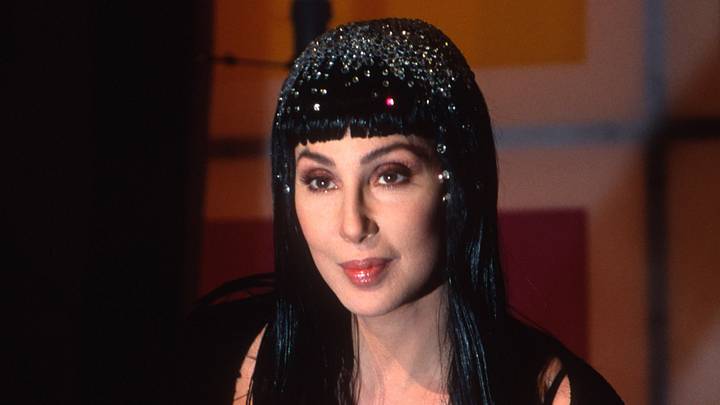
Grab your time machine, because we’re heading back to the ‘90s. The biggest songs in the U.S. from each year of this decade say a whole lot about the state of American culture and the music industry at the time. From Elton John’s emotional 1997 ode to Princess Diana to Cher’s sparkling “Believe,” each of these songs is a portal back to a singular era. Many of them remain hugely influential to this day, and here you’ll also learn exactly how they came to life in the first place.
Here is the biggest song from each year of the ‘90s, according to the Billboard Hot 100’s end-of-year rankings.
- 1990 - “Hold On” // Wilson Phillips
- 1991 - “(Everything I Do) I Do It For You” // Bryan Adams
- 1992 - “End of the Road” // Boyz II Men
- 1993 - “I Will Always Love You” // Whitney Houston
- 1994 - “The Sign” // Ace of Base
- 1995 - “Gangsta’s Paradise” // Coolio feat. L.V.
- 1996 - “Macarena (Bayside Boys Mix)” // Los Del Río
- 1997 - “Candle in the Wind 1997 / Something About the Way You Look Tonight” // Elton John
- 1998 - “Too Close” // Next
- 1999 - “Believe” // Cher
1990 - “Hold On” // Wilson Phillips
Other major hit songs from 1990 included Roxette’s “It Must Have Been Love” and Sinead O’Connor’s “Nothing Compares 2 U,” but Wilson Phillips’ “Hold On” took the top spot on the Billboard charts in the first year of the last decade of the 20th century. Released as the lead single from the band’s eponymous debut album, the uplifting track was a major worldwide hit.
Wilson Phillips consists of Carnie and Wendy Wilson, the daughters of the Beach Boys’ Brian Wilson, and Chynna Phillips, the daughter of John and Michelle Phillips of the Mamas & the Papas. “Hold On” emerged when producer Glen Ballard brought the song's melody to the group.
Phillips drew on her experience in Alcoholics Anonymous at the time to pen the lyrics, which express a message of hope amid struggle. “I was really in a dark space when that lyric was written,” she said on The Kelly Clarkson Show in 2020, adding that she was in a toxic relationship and struggling with drug addiction. “I was really at a point in my life where I felt like I was at a crossroads and if I didn’t get my life together and stop doing drugs…I was in a lot of pain and I just said, ‘If I don’t change my course, I’m going to be in a lot of trouble.’ So I knew that I was at a crossroads that I either had to hold on for one more day or just die.”
The song’s success was a thrill for the band and remains meaningful to them decades later. It also drew new attention when it was featured in the film Bridesmaids in 2011, in a scene where the band itself emerges to perform it.
1991 - “(Everything I Do) I Do It For You” // Bryan Adams
This raw and emotional Bryan Adams ballad beat out a number of iconic upbeat tracks by the likes of Color Me Badd, C+C Music Factory, and Paula Abdul for the top spot in 1991. This song was the lead single from the soundtrack album for the 1991 film Robin Hood: Prince of Thieves, and was based on orchestral music composed for the movie.
Adams and producer Robert “Mutt” Lange wrote the track together in just 45 minutes, inspired by the line “I do it for you” from the movie. Composer Michael Kamen originally imagined that the song would be sung from the perspective of Maid Marion, Robin Hood’s love interest, and pitched it to Kate Bush, Annie Lennox, and a number of other female singers, who all passed on it. Adams’ famously husky version was eventually used in the film’s credits, and soon soared on the charts.
1992 - “End of the Road” // Boyz II Men
Babyface and Daryl Simmons were both going through divorces in 1992 when they wrote this memorable track alongside L.A. Reid, which remained at the top of the charts for 13 weeks, a record at the time. They penned it for the Eddie Murphy film Boomerang along with Daryl Simmons, and laid down all of the vocals in one three-hour session in Philadelphia.
Over time, the song has become a nostalgic favorite and is frequently played at high school graduations and similar events, despite the fact that its lyrics actually describe the painful experience of staying in a relationship that is plainly past its expiration date.
1993 - “I Will Always Love You” // Whitney Houston
Whitney Houston’s extraordinarily powerful cover of Dolly Parton’s iconic song remains in a class of its own. Parton penned the track in 1973 while exiting her professional relationship with longtime collaborator Porter Wagoner, and famously wrote it on—or around—the same day she wrote the song “Jolene.”
At first, Parton imagined that Elvis would record it, but his team demanded to be given a share of the publishing rights, and Parton refused. “I would have killed to hear him sing it. But, eventually, when Whitney recorded it, I was glad I held out,” she later said.
In 1992, Houston recorded the definitive version of the song for the film The Bodyguard after her co-star Kevin Costner suggested it. When Parton found out Houston was recording a version based on Linda Ronstadt’s cover, which lacked the song’s famous “and I wish you joy” verse, she made sure to send along that final part, feeling it was an important piece. Houston recorded the song at around midnight with a live band after a full day of filming, and aced it on her very first take. The song became a massive hit and remains one of the top-selling singles of all time.
1994 - “The Sign” // Ace of Base
“The Sign” is an inescapably catchy pop hit by Swedish band Ace of Base. Written by Jonas Berggren, it describes a person feeling liberated by the end of a relationship, though its lyrics have a certain vagueness that has opened space for a number of different theories about its true meaning. With its blend of new wave, techno-reggae, and Europop, the song bridged ‘80s and ‘90s sounds and went nine-times platinum in the United States. Its dominance coincided with a resurgence for the band ABBA, officially bringing Swedish pop back to the fore in America.
1995 - “Gangsta’s Paradise” // Coolio feat. L.V.
This song was released alongside the film Dangerous Minds, which starred Michelle Pfeiffer. It borrows a chorus from Stevie Wonder’s “Pastime Paradise,” and its verses describe the struggles of a life among street gangs. Pfeiffer famously starred in the song’s music video, which became an iconic piece of the track’s enduring legacy.
Even Coolio had no idea how big it would become when he recorded it. “When I got the first edit back, I was like, ‘Wow, this could be big!’ But let me tell you something—I had no idea that it was gonna take on the kind of life that it took,” the late rapper said in an interview. “I totally was still thinking, in my mind, that it was gonna be a ‘hood song.’ I was thinking to myself, ‘Man, with what’s going on in the video and what I’m saying, there’s no way white people are gonna get into this song. No way.’ But I was wrong.”
1996 - “Macarena (Bayside Boys Mix)” // Los Del Río
This notoriously infectious track was originally recorded by a Spanish duo called Los Del Río. In 1992, band member Antonio Romero apparently improvised a line about a flamenco dancer at a private party, calling her “Magdalena”—a reference to Mary Magdalene that implies a certain type of female sensuality. That line later spawned the larger song, though the band changed the name Magdalena to “Macarena,” the name of a neighborhood in their home city of Seville. The chorus’s lyrics, if you weren’t aware, translate to “Give joy to your body, Macarena, for your body is for giving joy and good things.”
The song received a number of remixes and reinterpretations over the next few years. It was the Bayside Boys’ mix, though, that turned the song into a dance-floor megahit after translating the Spanish verses into English. The song became huge on Miami radio and spread from there, largely thanks to the easy-to-learn dance moves that accompanied it. Its popularity was bolstered by a few memorable moments in pop culture history, including the U.S. gymnastics team’s celebratory dance to the tune after winning a gold medal at the 1996 Olympics, and its unforgettable use at the 1996 Democratic National Convention.
1997 - “Candle in the Wind 1997 / Something About the Way You Look Tonight” // Elton John
Bernie Taupin, the lyricist behind most of Elton John’s hits, had long wanted to write a song about Marilyn Monroe, and he very much succeeded with 1973’s “Candle in the Wind.” The song was meant to be a reflection on the crushing pressures of celebrity and the strange kind of immortality that stars can acquire when they die young.
“I think the biggest misconception about [this song] is that I was this rabid Marilyn Monroe fanatic, which really couldn’t be further from the truth. It’s not that I didn’t have a respect for her,” Taupin later said of the tune. “It’s just that the song could just as easily have been about James Dean or Jim Morrison, Kurt Cobain. I mean, basically, anybody, any writer, actor, actress, or musician who died young and sort of became this iconic picture of Dorian Gray, that thing where they simply stopped aging. It’s a beauty frozen in time.”
He was inspired to use the phrase “candle in the wind” after hearing music industry executive Clive Davis use it to describe Janis Joplin. After penning the lyrics, he gave them to John, who wrote the song at a piano during breakfast one morning. It appeared on John’s smash-hit 1973 album Goodbye Yellow Brick Road, but took on new life when Taupin and John created a new version in honor of Princess Diana after her death in 1997. John famously performed it at Diana’s funeral, and the song experienced a subsequent surge in popularity that made it the year's top-selling tune.
1998 - “Too Close” // Next
R&B group Next’s “Too Close” has a rather overtly explicit meaning if you actually listen to the lyrics, but it still managed to become the biggest song of 1998. The song was based on Kurtis Blow’s 1979 song “Christmas Rappin,’” which was the first rap song released on a major label. “We played it live and changed it around,” said producer KayGee of Naughty by Nature. “I felt if we put the right lyrics on top of that beat, we could bring that same magic back in the '90s.”
Vee Sales of R&B group Koffee Brown recorded the female vocals, and the song was released along with a video that contains just about every ‘90s trope there is, from a car chase to backup dancers performing a specific style of dance known as “freaking.”
1999 - “Believe” // Cher
To close out the ‘90s, what could be more fitting than Cher’s iconic “Believe”? This wildly empowering breakup anthem was written by a group of several songwriters in the early ‘90s, and—unbelievably but fortunately—numerous artists passed on it before it reached Cher.
The artist had been a megastar since the '70s, but was seeking a new direction after the poor reception of her 1995 album It’s a Man’s World when she received the song. “Believe” became her biggest hit ever, as well as one of the biggest hits of all time. It spent 21 weeks at the top of Billboard’s Hot Dance Singles Sales chart and became a sensation across the pond as well, remaining the U.K.’s top-selling single by a female artist to this day.
The song sparked a resurgence in the then-52-year-old Cher’s career and won her her first Grammy. It also started and revved up many trends that still remain popular to this day, including the crying-on-the-dance-floor anthem, the archetype of the dancing pop diva, and Auto-Tune, which it helped usher into the mainstream.