%20%20--%3E%0A%3Csvg%20version%3D%221.1%22%20id%3D%22Layer_1%22%20xmlns%3D%22http%3A%2F%2Fwww.w3.org%2F2000%2Fsvg%22%20xmlns%3Axlink%3D%22http%3A%2F%2Fwww.w3.org%2F1999%2Fxlink%22%20x%3D%220px%22%20y%3D%220px%22%0A%09%20viewBox%3D%220%200%20684.6%2068.1%22%20style%3D%22enable-background%3Anew%200%200%20684.6%2068.1%3B%22%20xml%3Aspace%3D%22preserve%22%3E%0A%3Cg%3E%0A%09%3Cpath%20d%3D%22M444.1%2C29.3h-17.4v14.5h17.4V29.3z%20M36.4%2C68.1l29.3-50.8V0H50.4L32.9%2C36.8L15.5%2C0H0v68.1h16.7V45.8l12.4%2C22.3H36.4z%0A%09%09%20M49.1%2C68.1h16.6V23.4L49.1%2C52.1V68.1z%20M76.6%2C68.1h45V53.8H93.3V41.6h21V27.1h-21V14.8h28.3V0.1h-45V68.1z%20M175.6%2C68.1h17.3v-68%0A%09%09h-16.5v40.3L150%2C0.1h-17.6v68h16.7V27.7L175.6%2C68.1z%20M235.8%2C14.8h15.4V0.1h-47.4v14.7H219v53.2h16.8V14.8z%20M290.3%2C45.9h-17.1%0A%09%09l7.5-15.6h2L290.3%2C45.9z%20M298.7%2C68.1h18l-32.2-68h-5.7l-32%2C68h18l3.3-7.1h27.1L298.7%2C68.1z%20M325.2%2C68.1h46.2V53.8h-29.6V0.1h-16.7%0A%09%09V68.1z%20M423.7%2C14.8h27.2V0.1H407v68h16.7V14.8z%20M462%2C68.1h46.2V53.8h-29.6V0.1H462V68.1z%20M564.8%2C34.1c0%2C10.7-7.2%2C19.2-18.5%2C19.2%0A%09%09c-11.4%2C0-18.5-8.5-18.5-19.2s7.1-19.2%2C18.5-19.2C557.6%2C14.9%2C564.8%2C23.4%2C564.8%2C34.1%20M580.6%2C34.1c0-19-14.2-34-34.3-34%0A%09%09c-20.2%2C0-34.3%2C15-34.3%2C34c0%2C19%2C14.1%2C34%2C34.3%2C34C566.4%2C68.1%2C580.6%2C53.1%2C580.6%2C34.1%20M604.8%2C20.5c0-4.1%2C3.3-6.2%2C6.7-6.2%0A%09%09c4.4%2C0%2C6.6%2C3%2C6.6%2C6.6h14.7C631.8%2C9.1%2C625.1%2C0.1%2C611%2C0.1c-12%2C0-21.7%2C9.3-21.7%2C20.6c0%2C10.9%2C5.9%2C15.9%2C16.7%2C19.8%0A%09%09c5.2%2C1.8%2C11.5%2C3.2%2C11.5%2C8c0%2C3.3-2.4%2C5.5-6.4%2C5.5c-3.6%2C0-6.6-3-6.6-6.7h-15.2c0%2C11.5%2C7.9%2C20.8%2C21.8%2C20.8c12%2C0%2C21.6-9.3%2C21.6-20.6%0A%09%09c0-10-5.3-16.4-16.7-19.8C610.6%2C26.1%2C604.8%2C25.3%2C604.8%2C20.5%20M670%2C20.9h14.7C683.8%2C9.1%2C677.1%2C0.1%2C663%2C0.1c-12%2C0-21.7%2C9.3-21.7%2C20.6%0A%09%09c0%2C10.9%2C5.9%2C15.9%2C16.7%2C19.8c5.2%2C1.8%2C11.5%2C3.2%2C11.5%2C8c0%2C3.3-2.4%2C5.5-6.4%2C5.5c-3.6%2C0-6.6-3-6.6-6.7h-15.2c0%2C11.5%2C7.9%2C20.8%2C21.8%2C20.8%0A%09%09c12%2C0%2C21.6-9.3%2C21.6-20.6c0-10-5.3-16.4-16.7-19.8c-5.4-1.6-11.3-2.4-11.3-7.2c0-4.1%2C3.3-6.2%2C6.7-6.2C667.7%2C14.4%2C670%2C17.3%2C670%2C20.9%0A%09%09%22%2F%3E%0A%3C%2Fg%3E%0A%3C%2Fsvg%3E%0A)

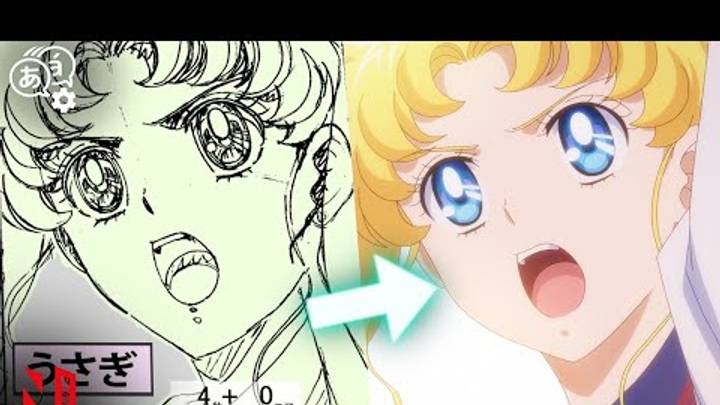
For fans of the art of Japanese animation and lovers of puns, May is an important month. That's because it's "Ani-May!" And what better way of celebrating than looking back on one of the most influential franchises in anime and manga? Sailor Moon became a global phenomenon and brought anime to the world stage.
Sailor Moon is the story of a fourteen-year-old girl, Usagi Tsukino, and how her life changes when she learns she is the reincarnation of a princess from the Moon Kingdom. She and her friends use their powers to protect Earth and the galaxy from evil threats. It's been 35 years since Sailor Moon first debuted in a manga series, and she has spread her message of justice and love throughout the world.
Here are 6 facts about Sailor Moon and how it impacted anime forever.

Sailor Moon Popularized Anime
If you asked most people which '90s TV series made Japanese anime popular globally, they would probably guess Pokémon. But the Sailor Moon anime premiered in 1992, about five years before Ash and Pikachu came to the small screen. The Sailor Moon manga, or comic books, were released in 1991 and were such a hit that the anime series was released just a year later.
Sailor Moon's popularity skyrocketed with the anime series, and it spread outside of Japan quickly. The series was shown throughout Europe in 1993 and was airing across the United States by 1995. For the first time in animation history, anime had breached the boundaries of a niche topic and entered mainstream pop culture.
The Magical Girl Genre Goes Viral
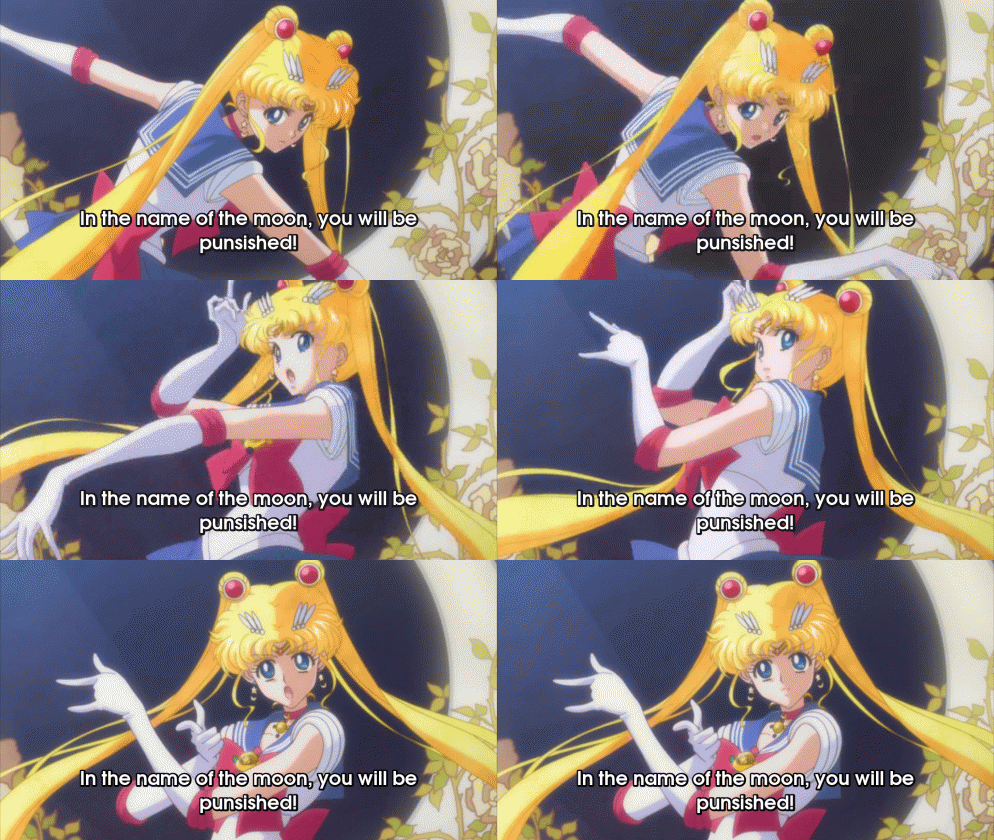
Another aspect that became popularized by Sailor Moon and the other Sailor Guardians was the "magical girl" genre. Of course, girls having magic powers already existed in anime and fiction in general, but Sailor Moon executed it in a rare, empowering way.
Sailor Moon was unique because the previous "magical girl" stories were about witches or fairies. A teenager who deals with school and crushes, but can transform into a powerful warrior the moment she's needed, was completely new. Sailor Moon used her cuteness and femininity as weapons, redefining "girl power" as something more actionable. She is the blueprint for many other well-known magical girl shows like The Powerpuff Girls, Star vs. The Forces of Evil, and Miraculous: Tales of Ladybug and Cat Noir.
Love Powers the Sailor Guardians
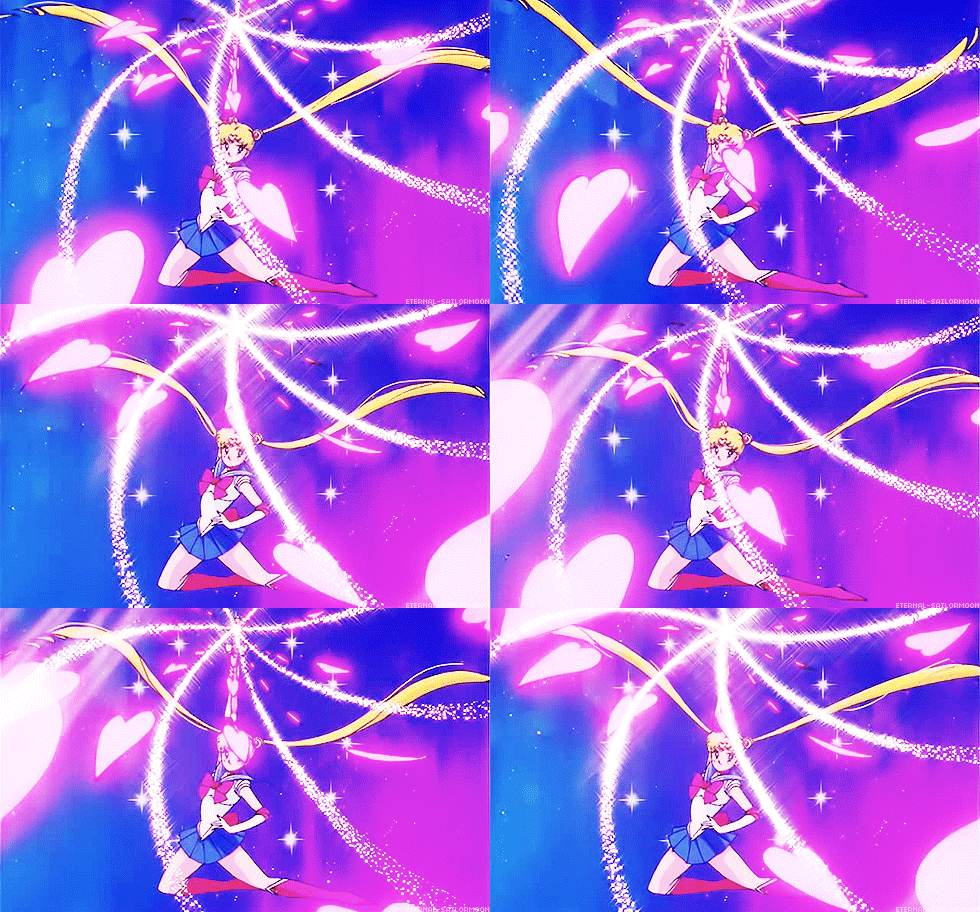
Today, people might consider the "secret behind magic powers being love" as a cliché trope, but Sailor Moon was actually a pioneer of this plotline. Love is most often used as a weakness that the villains can exploit, but Usagi and her friends learn that the closer they are to each other and their families, the more powerful they become.
Portraying love as a strength and a necessity to control their powers, Sailor Moon set a precedent for feminist and female-led stories. Little girls would learn from the Sailor Guardians that platonic, familial, and romantic love were powerful and life-changing. If only Disney's Elsa could have learned that lesson sooner!
LGBTQ+ Representation in the '90s
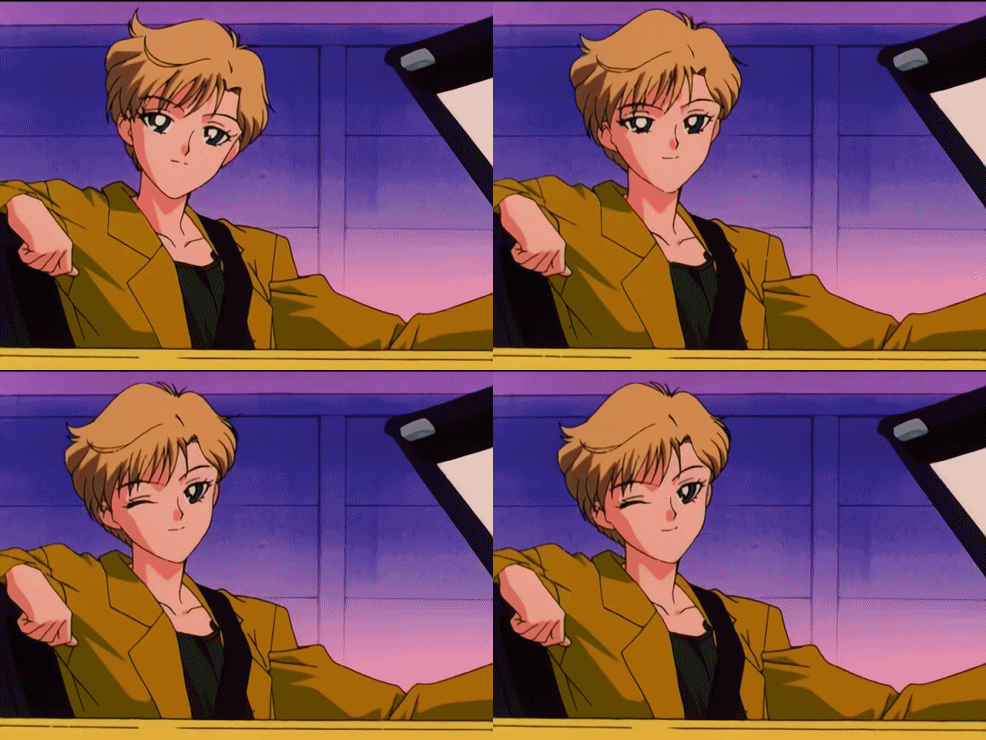
Sailor Moon was revolutionary when it came to queer representation as well. While outside of Japan, the anime series was not allowed to explicitly show gay or lesbian storylines, the manga was not limited in its translations. Two of the Sailor Guardians, Sailor Uranus and Sailor Neptune, were romantic partners in the Japanese anime and manga.
Sailor Uranus, or Haruka Tenoh, was also portrayed with dignity as non-binary and gender fluid, which was a novel concept for a kids' show in the 1990s. Sometimes people were curious about why Haruka dressed in men's clothes, but she was never treated as less than the other Sailor Guardians. It was incredible to see such topics depicted as regular parts of life, allowing real-world fans to find validation and acceptance.
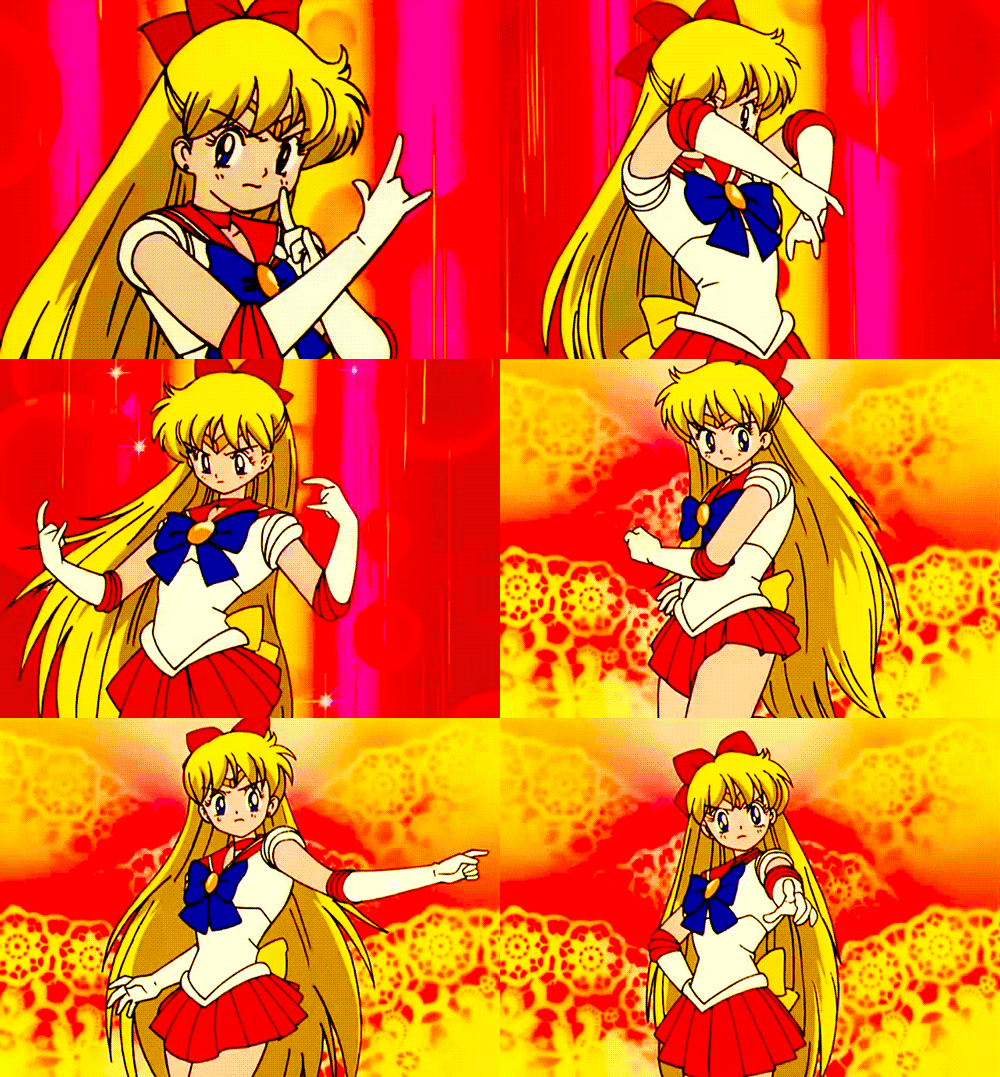
It All Started With Codename: Sailor V
Usagi, or Sailor Moon, was not the first Sailor Guardian created. Naoko Takeuchi, author of the Sailor Moon manga, actually began with Sailor Venus. In August of 1991, Takeuchi published Codename: Sailor V, which told the story of Minako Aino, or Sailor Venus, as she learned of her powers and duty to protect Earth.
Codename: Sailor V was originally meant to be a single-issue comic that served as a sort of prequel to Sailor Moon, with Sailor Venus ultimately finding the other Sailor Guardians. After Sailor Moon's massive success at the end of 1991, Takeuchi decided to continue the Sailor V comic concurrently with Sailor Moon.

One of the Best-Selling Manga of All Time
After almost 35 years of constant fame, Sailor Moon continues to shine. The manga series by Naoko Takeuchi has sold over 46 million copies worldwide, making it one of the best-selling manga in history. It's also one of the highest-rated "magical girl" manga series to date.
The Sailor Moon anime series also became a top contender in the "magical girl" genre and one of the greatest anime series of the '90s. Sailor Moon opened the door for female empowerment stories and changed the mechanics of anime to be more relatable to a worldwide audience. By the power of the moon, she has impacted anime and manga for generations, and will continue to do so long into the future.