%20%20--%3E%0A%3Csvg%20version%3D%221.1%22%20id%3D%22Layer_1%22%20xmlns%3D%22http%3A%2F%2Fwww.w3.org%2F2000%2Fsvg%22%20xmlns%3Axlink%3D%22http%3A%2F%2Fwww.w3.org%2F1999%2Fxlink%22%20x%3D%220px%22%20y%3D%220px%22%0A%09%20viewBox%3D%220%200%20684.6%2068.1%22%20style%3D%22enable-background%3Anew%200%200%20684.6%2068.1%3B%22%20xml%3Aspace%3D%22preserve%22%3E%0A%3Cg%3E%0A%09%3Cpath%20d%3D%22M444.1%2C29.3h-17.4v14.5h17.4V29.3z%20M36.4%2C68.1l29.3-50.8V0H50.4L32.9%2C36.8L15.5%2C0H0v68.1h16.7V45.8l12.4%2C22.3H36.4z%0A%09%09%20M49.1%2C68.1h16.6V23.4L49.1%2C52.1V68.1z%20M76.6%2C68.1h45V53.8H93.3V41.6h21V27.1h-21V14.8h28.3V0.1h-45V68.1z%20M175.6%2C68.1h17.3v-68%0A%09%09h-16.5v40.3L150%2C0.1h-17.6v68h16.7V27.7L175.6%2C68.1z%20M235.8%2C14.8h15.4V0.1h-47.4v14.7H219v53.2h16.8V14.8z%20M290.3%2C45.9h-17.1%0A%09%09l7.5-15.6h2L290.3%2C45.9z%20M298.7%2C68.1h18l-32.2-68h-5.7l-32%2C68h18l3.3-7.1h27.1L298.7%2C68.1z%20M325.2%2C68.1h46.2V53.8h-29.6V0.1h-16.7%0A%09%09V68.1z%20M423.7%2C14.8h27.2V0.1H407v68h16.7V14.8z%20M462%2C68.1h46.2V53.8h-29.6V0.1H462V68.1z%20M564.8%2C34.1c0%2C10.7-7.2%2C19.2-18.5%2C19.2%0A%09%09c-11.4%2C0-18.5-8.5-18.5-19.2s7.1-19.2%2C18.5-19.2C557.6%2C14.9%2C564.8%2C23.4%2C564.8%2C34.1%20M580.6%2C34.1c0-19-14.2-34-34.3-34%0A%09%09c-20.2%2C0-34.3%2C15-34.3%2C34c0%2C19%2C14.1%2C34%2C34.3%2C34C566.4%2C68.1%2C580.6%2C53.1%2C580.6%2C34.1%20M604.8%2C20.5c0-4.1%2C3.3-6.2%2C6.7-6.2%0A%09%09c4.4%2C0%2C6.6%2C3%2C6.6%2C6.6h14.7C631.8%2C9.1%2C625.1%2C0.1%2C611%2C0.1c-12%2C0-21.7%2C9.3-21.7%2C20.6c0%2C10.9%2C5.9%2C15.9%2C16.7%2C19.8%0A%09%09c5.2%2C1.8%2C11.5%2C3.2%2C11.5%2C8c0%2C3.3-2.4%2C5.5-6.4%2C5.5c-3.6%2C0-6.6-3-6.6-6.7h-15.2c0%2C11.5%2C7.9%2C20.8%2C21.8%2C20.8c12%2C0%2C21.6-9.3%2C21.6-20.6%0A%09%09c0-10-5.3-16.4-16.7-19.8C610.6%2C26.1%2C604.8%2C25.3%2C604.8%2C20.5%20M670%2C20.9h14.7C683.8%2C9.1%2C677.1%2C0.1%2C663%2C0.1c-12%2C0-21.7%2C9.3-21.7%2C20.6%0A%09%09c0%2C10.9%2C5.9%2C15.9%2C16.7%2C19.8c5.2%2C1.8%2C11.5%2C3.2%2C11.5%2C8c0%2C3.3-2.4%2C5.5-6.4%2C5.5c-3.6%2C0-6.6-3-6.6-6.7h-15.2c0%2C11.5%2C7.9%2C20.8%2C21.8%2C20.8%0A%09%09c12%2C0%2C21.6-9.3%2C21.6-20.6c0-10-5.3-16.4-16.7-19.8c-5.4-1.6-11.3-2.4-11.3-7.2c0-4.1%2C3.3-6.2%2C6.7-6.2C667.7%2C14.4%2C670%2C17.3%2C670%2C20.9%0A%09%09%22%2F%3E%0A%3C%2Fg%3E%0A%3C%2Fsvg%3E%0A)

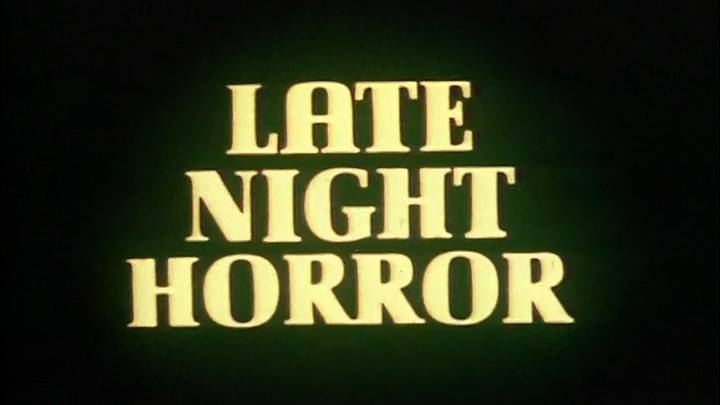
In the late 1960s, six episodes of a show called Late Night Horror aired on the BBC. Those episodes were supposedly so terrifying that the series was eventually not only canceled, but nearly wiped out of existence entirely.
Since then, only two episodes have ever been found. Meanwhile, largely due to the show’s mysterious disappearance, Late Night Horror has become the stuff of horror legend. Was the show, many a horror fan has wondered, really so scary that it had to be destroyed?
The history and mystery of Late Night Horror

Late Night Horror was always meant to shock and provoke. It was produced by Harry Moore, who, according to Late Night Horror: A Complete Guide to the BBC Series, sent a memo to his staff ahead of production that read, “We must do everything we can from the very beginning to stimulate suspense, tension, atmosphere, potential horror and HORROR! If there is blood, let’s see the blood.”
The show enlisted a number of directors, including Paddy Russell, the first female floor manager employed by the BBC. (At one point, per the Guardian, Russell faced an accusation that she couldn’t direct “like a man.” She responded that she had no desire to do so and instead said she would run it ‘like herself.’”)
The show premiered in 1968, received mixed reviews, and was quickly canceled. “I’ve heard that it wasn’t recommissioned for a second season simply because they were a bit worried about the area it was going,” British Film Institute curator Dick Fiddy told Atlas Obscura. The show’s graphic content may have had something to do with its cancellation, too. “It was quite shocking,” he added.
There was definitely some backlash at the time it aired. In 1968, the Radio Times published a letter from a disgruntled viewer who wrote that they were horrified by the show’s content and “at a loss to understand the attitude of those responsible.”
The same outlet published a story that year that told of “BBC technicians buckling at the knees” and staff running outside to vomit during filming. It’s possible, admittedly, that at least some of these were hyperbolic anecdotes enhanced by the famously dramatic Moore. Still, all this marked the end of Late Night Horror—for a while.
A lost tape reemerges
The show soon largely faded from memory, and most of the tapes containing its episodes were destroyed as part of the BBC’s large-scale purge of its archive from the 1950s to the 1970s. (The network is mostly funded by taxpayers and has strict budget limits, and maintaining tapes was expensive.)
Still, some people remembered. One was Chris Perry, a vintage TV collector who nearly got his hands on a tape of an episode titled “The Corpse Can’t Play” in 1985—only to have its anonymous purveyor suddenly vanish without explanation.
In 2007, the show began to receive renewed attention when a BBC News program reported that it had been canceled because it was “too scary.” It wasn’t until 2016, though, that Perry finally tracked down a tape of the episode on eBay. In 2017, Late Night Horror aired in front of an audience for the first time in 50 years. “The Corpse Can’t Play” follows a boy at a birthday party who is bullied for his dad’s death—until the lights go out.
Overall, contemporary viewers seem to agree that while the episode doesn't compare to modern horror in terms of its scare factor, it certainly is easy to understand how it would have given viewers in the '60s quite a fright.
In 2026, the episode “No Such Thing as a Vampire” was uncovered in a storage area in The Regent, a 1930s-era cinema in Dorset, England. The episode, which follows a sharp-toothed Transylvanian man and is based on a story by Richard Matheson, was screened publicly in September of the same year.
None of the other episodes have been found—yet. We do know their names and plots, though. “William and Mary” is an adaptation of a Roald Dahl story about a brain kept alive in a jar. “The Triumph of Death” is based on an H. Russell Wakefield ghost story and takes place in a haunted mansion. “The Bells of Hell” adapts a story by Robert Aickman called “Ringing the Changes.” Finally, “The Kiss of Blood” is based on a story by Sir Arthur Conan Doyle that focuses on violent revenge.
Was the show really canceled because of how horrifying it was? Was there an even darker reason behind its cancellation? Or is the scariest aspect of the story the fact that carefully crafted media can simply disappear because a company wants to cut expenses? One thing is certain: Late Night Horror’s disappearance has added to its legacy, giving it its own strange sort of immortality.