%20%20--%3E%0A%3Csvg%20version%3D%221.1%22%20id%3D%22Layer_1%22%20xmlns%3D%22http%3A%2F%2Fwww.w3.org%2F2000%2Fsvg%22%20xmlns%3Axlink%3D%22http%3A%2F%2Fwww.w3.org%2F1999%2Fxlink%22%20x%3D%220px%22%20y%3D%220px%22%0A%09%20viewBox%3D%220%200%20684.6%2068.1%22%20style%3D%22enable-background%3Anew%200%200%20684.6%2068.1%3B%22%20xml%3Aspace%3D%22preserve%22%3E%0A%3Cg%3E%0A%09%3Cpath%20d%3D%22M444.1%2C29.3h-17.4v14.5h17.4V29.3z%20M36.4%2C68.1l29.3-50.8V0H50.4L32.9%2C36.8L15.5%2C0H0v68.1h16.7V45.8l12.4%2C22.3H36.4z%0A%09%09%20M49.1%2C68.1h16.6V23.4L49.1%2C52.1V68.1z%20M76.6%2C68.1h45V53.8H93.3V41.6h21V27.1h-21V14.8h28.3V0.1h-45V68.1z%20M175.6%2C68.1h17.3v-68%0A%09%09h-16.5v40.3L150%2C0.1h-17.6v68h16.7V27.7L175.6%2C68.1z%20M235.8%2C14.8h15.4V0.1h-47.4v14.7H219v53.2h16.8V14.8z%20M290.3%2C45.9h-17.1%0A%09%09l7.5-15.6h2L290.3%2C45.9z%20M298.7%2C68.1h18l-32.2-68h-5.7l-32%2C68h18l3.3-7.1h27.1L298.7%2C68.1z%20M325.2%2C68.1h46.2V53.8h-29.6V0.1h-16.7%0A%09%09V68.1z%20M423.7%2C14.8h27.2V0.1H407v68h16.7V14.8z%20M462%2C68.1h46.2V53.8h-29.6V0.1H462V68.1z%20M564.8%2C34.1c0%2C10.7-7.2%2C19.2-18.5%2C19.2%0A%09%09c-11.4%2C0-18.5-8.5-18.5-19.2s7.1-19.2%2C18.5-19.2C557.6%2C14.9%2C564.8%2C23.4%2C564.8%2C34.1%20M580.6%2C34.1c0-19-14.2-34-34.3-34%0A%09%09c-20.2%2C0-34.3%2C15-34.3%2C34c0%2C19%2C14.1%2C34%2C34.3%2C34C566.4%2C68.1%2C580.6%2C53.1%2C580.6%2C34.1%20M604.8%2C20.5c0-4.1%2C3.3-6.2%2C6.7-6.2%0A%09%09c4.4%2C0%2C6.6%2C3%2C6.6%2C6.6h14.7C631.8%2C9.1%2C625.1%2C0.1%2C611%2C0.1c-12%2C0-21.7%2C9.3-21.7%2C20.6c0%2C10.9%2C5.9%2C15.9%2C16.7%2C19.8%0A%09%09c5.2%2C1.8%2C11.5%2C3.2%2C11.5%2C8c0%2C3.3-2.4%2C5.5-6.4%2C5.5c-3.6%2C0-6.6-3-6.6-6.7h-15.2c0%2C11.5%2C7.9%2C20.8%2C21.8%2C20.8c12%2C0%2C21.6-9.3%2C21.6-20.6%0A%09%09c0-10-5.3-16.4-16.7-19.8C610.6%2C26.1%2C604.8%2C25.3%2C604.8%2C20.5%20M670%2C20.9h14.7C683.8%2C9.1%2C677.1%2C0.1%2C663%2C0.1c-12%2C0-21.7%2C9.3-21.7%2C20.6%0A%09%09c0%2C10.9%2C5.9%2C15.9%2C16.7%2C19.8c5.2%2C1.8%2C11.5%2C3.2%2C11.5%2C8c0%2C3.3-2.4%2C5.5-6.4%2C5.5c-3.6%2C0-6.6-3-6.6-6.7h-15.2c0%2C11.5%2C7.9%2C20.8%2C21.8%2C20.8%0A%09%09c12%2C0%2C21.6-9.3%2C21.6-20.6c0-10-5.3-16.4-16.7-19.8c-5.4-1.6-11.3-2.4-11.3-7.2c0-4.1%2C3.3-6.2%2C6.7-6.2C667.7%2C14.4%2C670%2C17.3%2C670%2C20.9%0A%09%09%22%2F%3E%0A%3C%2Fg%3E%0A%3C%2Fsvg%3E%0A)

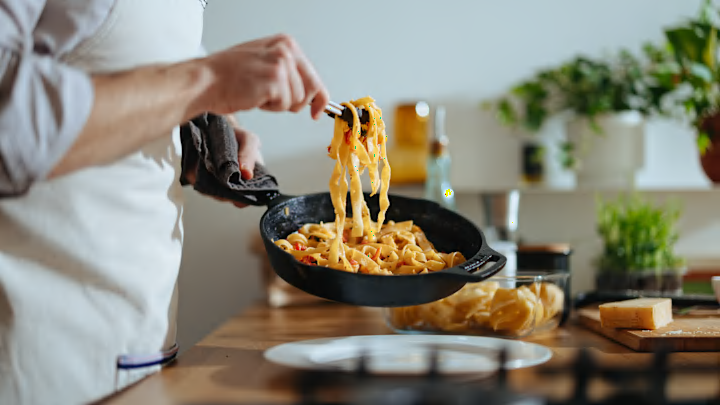
Don’t believe everything you hear while in the kitchen—even if it’s an old trick your grandma swears by.
From the terrifying ordeal of cleaning a cast iron skillet to rampant myths about microwaves, let’s debunk some common cooking misconceptions, as adapted from the above episode of Misconceptions on YouTube.
- Misconception: The red juices in meat are blood.
- Misconception: Searing locks in juices.
- Misconception: You shouldn’t wash cast iron with soap.
- Misconception: You shouldn’t wash mushrooms.
- Misconception: Microwaving food makes it less nutritious.
- Misconception: You should add olive oil to your pasta water.
Misconception: The red juices in meat are blood.

You cut into a nice, juicy steak and go to take a bite. The steak is oozing what appears to be… blood? Even if you’re a carnivore, that image may make you lose your appetite. But before you opt for the salad, take comfort in the fact that a “bloody” steak isn’t really bloody.
Livestock is drained of blood after it’s slaughtered to improve the flavor of the meat and make it less prone to spoilage. Any blood that’s left in a steak by the time it reaches the supermarket is minimal. So then what is the red stuff that gets all over your cutting board? It’s water mixed with a protein known as myoglobin, which transports oxygen to muscle cells. It may come in an alarming shade, but it’s totally safe to eat.
Misconception: Searing locks in juices.

Steak lovers agree that a nice cut of beef is best when perfectly seared. That dark, slightly-charred crust is something chefs spend their lives trying to perfect.
While there’s no doubt that you should be searing your steak, the reason for the practice is the source of some confusion in the culinary world. You may have heard that the act of searing creates a seal, thus locking in delicious juices that would otherwise leech out of the meat. Sounds scientific, but there’s no evidence to back it up. As is the case with any cooking method, searing your beef causes it to lose moisture, and no amount of crisping can make the outside watertight. According to an experiment conducted by Serious Eats, meat seared before going in the oven actually retained less liquid than meat that was seared after roasting (a.k.a. reverse searing).
So where did people get the idea that searing steak was necessary to “lock in” the juices? It comes down to perception. A crispy crust provides contrast to the inside of a ribeye, making it seem juicier than it is in reality. So if someone is served one well-seared steak and one boiled steak that’s the same texture throughout, they may say the former is more moist even if that’s not the case.
That’s not the only reason to sear your meat, however. High heat promotes the Maillard Reaction, which gives so many foods their golden brown color and complex taste. Pretzels, caramel, french fries, and of course seared steak have the chemical process to thank for their signature flavors. So even if you overcook your meat, that brown crust can at least make it a little more palatable.
You May Also Like ...
- 7 Tips for Roasting Vegetables
- 12 Simple Ways To Get More Out of Your Air Fryer
- 7 Tips for Better Barbecue, According to a BBQ Master
Add Mental Floss as a preferred news source!
Misconception: You shouldn’t wash cast iron with soap.

People can be very particular about their cast iron cookware. You may have heard the advice to merely wipe down your cast iron pan after using it—or, if you do have to wash it in the sink, to never use dish soap. Because the skillet has a layer of carbonized oil, or seasoning, that can wear away, some insist that it’s better to leave some food residue behind than to risk damaging the material. If that thought grosses you out, you’ll be glad to hear this practice is no longer endorsed by experts.
Dish soap used to be much more astringent than it is today, which is why it was originally recommended to keep it away from cast iron. Today’s products are much gentler, though, so even a good scrubbing won’t damage the seasoning. Just opt for using the rough side of a sponge instead of steel wool.
If you really want to be a good cast iron owner, reseason it after each wash by rubbing a few drops of oil into the skillet and heating it on the stove for a minute or two. And because iron is prone to rust, always make sure it’s completely dry before putting it away. But don’t sweat it if you break one of these cast iron commandments. The material is resilient, and even rusted-out skillets can be revived with a little TLC.
Misconception: You shouldn’t wash mushrooms.

Cast iron isn’t the only thing people are weird about washing in the kitchen. While most homecooks agree you should wash your fruits and vegetables before eating them, some argue that mushrooms are the exception to the rule.
Fungi tend tend to absorb whatever moisture they come in contact with. By rinsing them, some people fear the mushrooms will soak up the water like sponges, becoming mushy and unappetizing. Instead, they opt to brush off any debris with a paper towel. This method may not be enough to remove all the dirt, however—plus, it can be time-consuming if you’re dealing with a big batch.
Fortunately, washing your mushrooms the old-fashioned way won’t ruin your dinner. According to food historian and science expert Harold McGee, a brief rinse isn’t enough to compromise the flavor of the product. Even fine-dining restaurants aren’t afraid of getting their mushrooms wet, and will opt to swirl them in a bowl of cold water rather than scrubbing them individually. The key is timing: Don’t let your mushrooms soak for too long, and cook them immediately after washing. That way you can still enjoy your flavorful fungi without a mouthful of grit.
Misconception: Microwaving food makes it less nutritious.

The microwave is a mystifying appliance. What other kitchen tool can produce a Hot Pocket that’s both frozen and capable of giving you third-degree burns at the same time? But the fact that it works differently than a conventional oven doesn’t make it bad for you.
The idea that microwaving food “zaps” it of its nutrients is a total myth. Heating organic material will naturally damage its components, but microwaving isn’t any more likely to break down nutrients than other cooking methods. In fact, experts say that food may actually retain more nutrients when microwaved than when prepared in the oven or on the stove. The longer food is exposed to heat, the more nutrients it loses, so a microwave’s convenient speed may also have health benefits. Microwaved vegetables may even be better for you than boiled ones, as their nutrients can leach into the water as they cook.
Misconception: You should add olive oil to your pasta water.

Home cooks have certain rules they swear by when it comes to cooking pasta: Add olive oil to the cooking water to keep the noodles from sticking, salt it until it tastes like the sea, and never break dried pasta unless you want to give your Italian Nonna a heart attack. But professional chefs will tell you to ignore that first one.
It’s true that pasta tends to clump together as it cooks and releases starch, but adding a glug of oil to the pot is not the right solution. You want your pasta to be starchy when you drain it because that allows your sauce to adhere to it. Noodles that have been slicked with oil won’t stick to each other, but they won’t stick to anything else, either. So when you add marinara sauce to spaghetti, the sauce will slide right off, resulting in naked noodles with a side of gloop. That doesn’t sound too appetizing.
Luckily, there are other ways to prevent your pasta from sticking. Stir your pasta after adding it to the water, and then continue to stir it occasionally to keep everything separate. After draining the noodles, don’t wait too long before adding them to your sauce: The longer it sits around, the more likely it is to clump. Lastly, a drizzle of olive oil is a very welcome addition to a pasta recipe at the end of the process—not the beginning.