%20%20--%3E%0A%3Csvg%20version%3D%221.1%22%20id%3D%22Layer_1%22%20xmlns%3D%22http%3A%2F%2Fwww.w3.org%2F2000%2Fsvg%22%20xmlns%3Axlink%3D%22http%3A%2F%2Fwww.w3.org%2F1999%2Fxlink%22%20x%3D%220px%22%20y%3D%220px%22%0A%09%20viewBox%3D%220%200%20684.6%2068.1%22%20style%3D%22enable-background%3Anew%200%200%20684.6%2068.1%3B%22%20xml%3Aspace%3D%22preserve%22%3E%0A%3Cg%3E%0A%09%3Cpath%20d%3D%22M444.1%2C29.3h-17.4v14.5h17.4V29.3z%20M36.4%2C68.1l29.3-50.8V0H50.4L32.9%2C36.8L15.5%2C0H0v68.1h16.7V45.8l12.4%2C22.3H36.4z%0A%09%09%20M49.1%2C68.1h16.6V23.4L49.1%2C52.1V68.1z%20M76.6%2C68.1h45V53.8H93.3V41.6h21V27.1h-21V14.8h28.3V0.1h-45V68.1z%20M175.6%2C68.1h17.3v-68%0A%09%09h-16.5v40.3L150%2C0.1h-17.6v68h16.7V27.7L175.6%2C68.1z%20M235.8%2C14.8h15.4V0.1h-47.4v14.7H219v53.2h16.8V14.8z%20M290.3%2C45.9h-17.1%0A%09%09l7.5-15.6h2L290.3%2C45.9z%20M298.7%2C68.1h18l-32.2-68h-5.7l-32%2C68h18l3.3-7.1h27.1L298.7%2C68.1z%20M325.2%2C68.1h46.2V53.8h-29.6V0.1h-16.7%0A%09%09V68.1z%20M423.7%2C14.8h27.2V0.1H407v68h16.7V14.8z%20M462%2C68.1h46.2V53.8h-29.6V0.1H462V68.1z%20M564.8%2C34.1c0%2C10.7-7.2%2C19.2-18.5%2C19.2%0A%09%09c-11.4%2C0-18.5-8.5-18.5-19.2s7.1-19.2%2C18.5-19.2C557.6%2C14.9%2C564.8%2C23.4%2C564.8%2C34.1%20M580.6%2C34.1c0-19-14.2-34-34.3-34%0A%09%09c-20.2%2C0-34.3%2C15-34.3%2C34c0%2C19%2C14.1%2C34%2C34.3%2C34C566.4%2C68.1%2C580.6%2C53.1%2C580.6%2C34.1%20M604.8%2C20.5c0-4.1%2C3.3-6.2%2C6.7-6.2%0A%09%09c4.4%2C0%2C6.6%2C3%2C6.6%2C6.6h14.7C631.8%2C9.1%2C625.1%2C0.1%2C611%2C0.1c-12%2C0-21.7%2C9.3-21.7%2C20.6c0%2C10.9%2C5.9%2C15.9%2C16.7%2C19.8%0A%09%09c5.2%2C1.8%2C11.5%2C3.2%2C11.5%2C8c0%2C3.3-2.4%2C5.5-6.4%2C5.5c-3.6%2C0-6.6-3-6.6-6.7h-15.2c0%2C11.5%2C7.9%2C20.8%2C21.8%2C20.8c12%2C0%2C21.6-9.3%2C21.6-20.6%0A%09%09c0-10-5.3-16.4-16.7-19.8C610.6%2C26.1%2C604.8%2C25.3%2C604.8%2C20.5%20M670%2C20.9h14.7C683.8%2C9.1%2C677.1%2C0.1%2C663%2C0.1c-12%2C0-21.7%2C9.3-21.7%2C20.6%0A%09%09c0%2C10.9%2C5.9%2C15.9%2C16.7%2C19.8c5.2%2C1.8%2C11.5%2C3.2%2C11.5%2C8c0%2C3.3-2.4%2C5.5-6.4%2C5.5c-3.6%2C0-6.6-3-6.6-6.7h-15.2c0%2C11.5%2C7.9%2C20.8%2C21.8%2C20.8%0A%09%09c12%2C0%2C21.6-9.3%2C21.6-20.6c0-10-5.3-16.4-16.7-19.8c-5.4-1.6-11.3-2.4-11.3-7.2c0-4.1%2C3.3-6.2%2C6.7-6.2C667.7%2C14.4%2C670%2C17.3%2C670%2C20.9%0A%09%09%22%2F%3E%0A%3C%2Fg%3E%0A%3C%2Fsvg%3E%0A)

Living in a safe city doesn't just mean living somewhere without crime.
Safety can come in all different forms, including financial security and safety from natural disasters. It can mean living somewhere with few car break-ins, a low risk of earthquakes, and job security. After all, would you feel safer in a place with a high risk of hurricanes or getting laid off?
WalletHub took all these factors into account when trying to decide just which cities offer the safety of peace of mind when it comes to crime, natural disasters, and even financial security. Check out its list to see if your city is known for its safety.

Alaska and New England Have the Safest Cities
If you're looking for a safe city to live in, you may have to pack your snow boots and parkas.
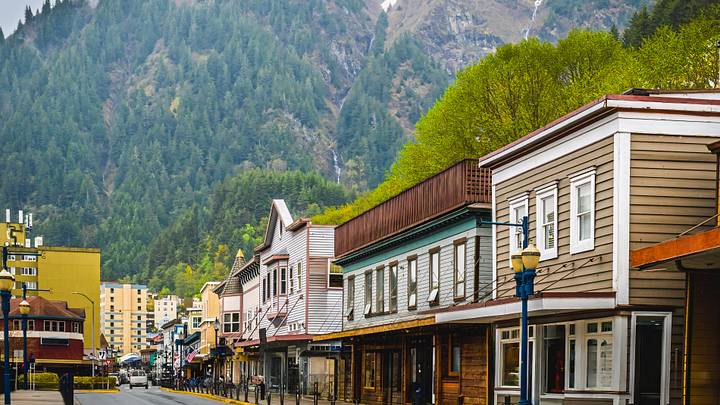
WalletHub ranked Juneau, Alaska, as the safest city overall, boosted by its low risk of natural disasters. It had the second-lowest risk for flooding, second-lowest risk for tornadoes, and also made the top 10 for lowest risk for wildfires. The city also was ranked fourth overall for financial safety.
Second-place Warwick, Rhode Island, also scored well when it came to natural-disaster risk as well as getting a boost from home and community safety. The city had the lowest number of murders of all 182 cities studied by WalletHub and the fourth-lowest number of aggravated assaults per capita. Financial stability also helped Warwick with low percentages of residents without health insurance or those living in poverty.
Overland Park, Kansas, came in third place, partially due to driver and pedestrian safety. Residents are less likely to be killed in car accidents or pedestrian incidents, and the city has a low number of uninsured motorists. The city's financial safety also gave it a huge boost with a low unemployment rate and high median credit score. Overland Park performed so well in those categories that it balanced out the city's low score for natural disasters, ranking 138 out of 182 cities. The city is included in the World Population Review's list of 104 major cities in Tornado Alley.
Natural disasters proved to be one of the main factors for these cities scoring so well when it came to safest cities. While Juneau topped the list, its Alaskan neighbor Anchorage came in second place. They were followed by Burlington and South Burlington, both in Vermont, tied for third, and Warwick coming in right behind them in fifth place.
The top 10 safest cities, according to WalletHub, include:
1. Juneau, Alaska
2. Warwick, Rhode Island
3. Overland Park, Kansas
4. Burlington, Vermont
5. South Burlington, Vermont
6. Virginia Beach, Virginia
7. Cedar Rapids, Iowa
8. Casper, Wyoming
9. Boise, Idaho
10. Yonkers, New York
Where Disasters and Finances Shifted the Map

WalletHub also found specific areas that hurt some cities while giving a boost to others.
One of the biggest factors was natural disasters. Santa Clarita, California, for example, ranked fifth when it came to home and community safety but ended up only the 49th safest city due to its extremely low score for natural disasters.
In fact, the top 10 cities with the lowest scores for natural disasters all came from either California or Florida. For Californians, the threat of earthquakes can compromise safety in their cities, while Florida residents have to deal with hurricanes.
Financial problems also sank some cities. The top five cities with the highest percentage of uninsured residents were all in Texas, while four of the five cities with the lowest percentage of households with emergency savings were in Florida.
On the other hand, some states, particularly in the Midwest, had good financial checkmarks that made them safer. Rapid City and Sioux Falls in South Dakota, for example, tied for the lowest unemployment rate along with Burlington, South Burlington, and Honolulu, Hawaii. And the percentage of households with emergency savings included Wichita, Kansas, and Minneapolis and St. Paul in Minnesota among the top five.